Table of Contents
- How High Humidity Affects Indoor Air Quality
- The Connection Between Humidity and Mold Growth
- Signs of Excess Moisture in a Home
- Causes of High Humidity Indoors
- What Is the Ideal Indoor Humidity Level?
- How to Reduce Humidity in a House
- When to Call a Professional
- Conclusion
- Frequently Asked Questions
Last Updated: October 18, 2026
How High Humidity Affects Indoor Air Quality
Does high humidity cause poor indoor air quality? High humidity does affect indoor air quality, but not always in the way people expect. The relationship between humidity and air quality is more nuanced than a simple cause-and-effect. Excess moisture creates conditions where certain problems develop, but humidity itself isn't the only factor at play.
When air holds too much moisture, it changes how your home feels and functions. Sticky air feels uncomfortable. Surfaces stay damp. But the real issue is what grows and thrives in that moisture. High humidity doesn't directly "pollute" your air the way a gas leak does. Instead, it enables conditions where mold, dust mites, and bacteria multiply.
Think of humidity as the stage. The moisture sets the scene, but other actors create the actual problems. Spores, allergens, and microorganisms need that damp environment to flourish. Without the excess moisture, many of these issues never develop.
When asking does high humidity cause poor indoor air quality, the answer depends on what else is present. At JLX Environmental, we evaluate indoor air quality by looking at the whole picture. Humidity levels matter, but so do visible mold, musty odors, moisture sources, and ventilation. A home can have high humidity without poor air quality if there's no contamination.
The Connection Between Humidity and Mold Growth
Mold growth depends on available moisture, a suitable food source, and favorable environmental conditions. Darkness is not required for mold to grow. Indoor humidity can contribute to moisture accumulation on susceptible materials, particularly when elevated levels persist or condensation develops.
Most mold species thrive when indoor humidity stays above comfortable levels for extended periods. Drywall, wood, insulation, and fabric all contain organic material that mold can feed on. Add moisture, and you create an ideal environment for fungal growth.
The timeline matters too. A single humid day won't cause mold to appear. But weeks or months of elevated moisture, especially in areas with poor air circulation, can lead to visible growth. Bathrooms, basements, crawlspaces, and attics are common problem areas because they tend to trap moisture.
Not all mold is visible. Some grows inside walls, under flooring, or within HVAC ducts where you can't see it. That's why a musty smell may sometimes appear before visible growth is discovered. Persistent odors can indicate excess moisture or microbial activity, but odor alone cannot confirm that hidden mold is present.
The term "mildew" is commonly used to describe certain superficial fungal growths, but it is not a reliable distinction from mold when determining contamination or cleanup methods. Both terms can describe growth associated with excess moisture, and the appropriate response depends on the affected material and extent of contamination.
Signs of Excess Moisture in a Home
Several visible and sensory clues tell you moisture levels are too high in your home.
Condensation on windows and mirrors is one of the earliest warning signs. When warm, moist air hits a cold surface, water droplets form.
Musty or stale odors suggest mold or mildew is already growing somewhere. That earthy smell is a strong indicator that moisture has created conditions for fungal growth.
Visible mold or mildew appears as dark spots, patches, or discoloration on surfaces.
Damp or sticky surfaces feel wet even when no water is present. Wood swells. Drywall softens. Fabrics feel clammy. These changes happen when humidity is consistently high.
Peeling paint or wallpaper often results from moisture pushing through from behind. As humidity rises, it can damage the bond between paint and drywall or between wallpaper and the wall.
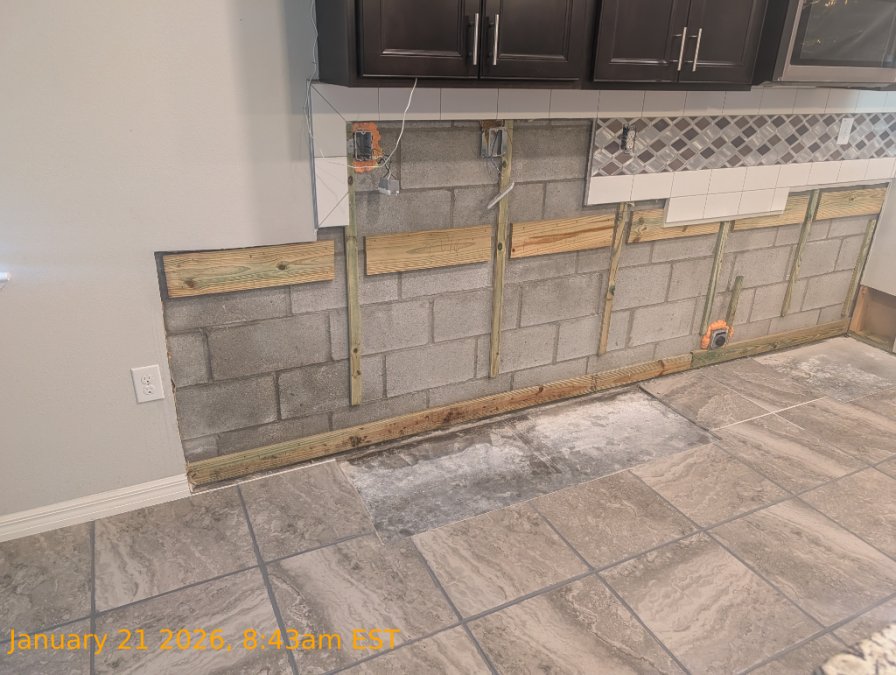
Staining or discoloration on ceilings, walls, or floors usually means water or moisture has been present. These marks may indicate past leaks or ongoing moisture problems.
Dust or allergen buildup becomes more noticeable in humid homes. High moisture can make dust particles heavier and more likely to settle on surfaces.
Causes of High Humidity Indoors
Several factors contribute to excess moisture inside your home.
Bathroom and kitchen activities release significant moisture into the air. Showers, baths, cooking, and dishwashing all add water vapor. Without proper ventilation, this moisture stays trapped indoors.
Inadequate removal of moisture generated indoors can contribute to elevated humidity. Bathroom and kitchen exhaust systems help remove moisture at its source, but bringing additional outdoor air into a home during humid Florida weather can increase the indoor moisture load. Effective humidity control requires balancing ventilation with air conditioning, dehumidification, and moisture-source management.
Outdoor humidity affects indoor levels too. In warm, humid climates, outside air carries moisture. This moisture enters through air leaks, open windows, and door gaps. HVAC systems then circulate it throughout the home.
Water intrusion from outside introduces moisture directly. Leaking roofs, foundation cracks, poor drainage, or damaged seals around windows and doors allow water inside. This is different from normal humidity, it's liquid water entering the building.
Crawlspace or basement conditions often trap moisture. These spaces naturally attract groundwater. Without proper drainage or vapor barriers, moisture rises into the rest of the home.
Appliances and daily activities add moisture. Clothes dryers, humidifiers, and even occupants breathing and perspiring release water vapor into the air.
HVAC system issues can trap or recirculate moisture. A poorly functioning air conditioning system may not dehumidify effectively. Clogged ducts or blocked vents prevent proper air circulation.
What Is the Ideal Indoor Humidity Level?
Comfort and building health both depend on maintaining humidity within a reasonable range.
Most experts recommend keeping indoor humidity between 30% and 50%. This range balances comfort with the prevention of mold and dust mite problems.
Below 30% humidity, the air feels dry. Static electricity increases. Skin and respiratory passages dry out. Wood and drywall can shrink and crack. Very low humidity is uncomfortable and can damage your home.
Between 30% and 50% is the sweet spot. Air feels comfortable. Mold and dust mites are less likely to thrive. Materials don't shrink or swell excessively. Most people feel good at these levels.
Above 50% humidity, conditions favor mold growth and dust mites. The air feels sticky. Surfaces may feel damp. Problems develop faster the higher humidity climbs.
Above 60% humidity creates a high-risk environment. Mold can appear within days or weeks. Dust mites multiply rapidly. Discomfort increases significantly.
Humidity varies by season and climate. In winter, heating systems dry indoor air, so humidity often drops naturally. In summer or in humid climates, maintaining lower humidity requires active dehumidification.
A hygrometer (humidity meter) costs very little and lets you monitor levels in different rooms. Humidity can vary throughout your home. A bathroom or basement might read 70% while a living room reads 45%. Identifying problem areas helps you target solutions.
How to Reduce Humidity in a House
Several practical steps can lower indoor humidity and improve air quality.
Use exhaust fans in bathrooms and kitchens. Run them during and for 15-20 minutes after showers or cooking.
Improve ventilation by opening windows when weather permits. Fresh air exchange helps moisture escape.
Fix water intrusion problems at the source. Repair leaking roofs, seal foundation cracks, improve drainage around your home's perimeter, and replace damaged door and window seals.
Use air conditioning effectively. Properly sized and maintained AC systems remove moisture as they cool. Increasing the blower fan speed does not necessarily improve dehumidification and can sometimes reduce moisture removal. Have an HVAC professional evaluate airflow, system sizing, operating cycles, and humidity-control settings if indoor moisture remains elevated.
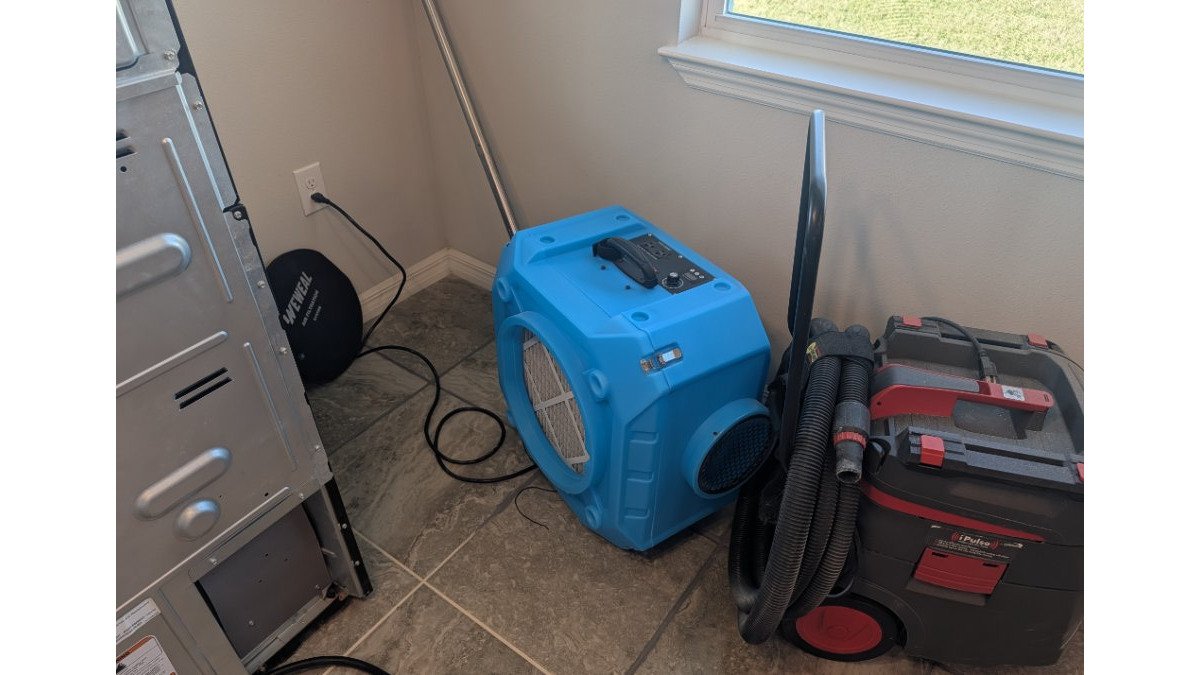
Install or use a dehumidifier in problem areas. Portable units work for single rooms. Whole-home systems connect to your HVAC and manage moisture throughout the property.
Ensure proper drainage around your home's foundation. Gutters, downspouts, and grading should direct water away from the house. Poor drainage allows moisture to seep into basements and crawlspaces.
Evaluate crawlspace and attic moisture conditions and address any identified problems. Crawlspaces may require drainage improvements, vapor barriers, or other moisture-control measures, while attic moisture problems may involve roof leaks, condensation, air leakage, or ventilation issues. The appropriate solution depends on the construction and source of moisture.
Reduce moisture sources where possible. Use lids on pots while cooking. Run clothes dryers to the outside. Avoid using humidifiers unless humidity is genuinely too low.
Maintain your HVAC system by cleaning or replacing filters regularly. Clogged filters reduce airflow and dehumidification efficiency. Dirty ducts can trap moisture and redistribute it.
Action | Effectiveness | Best For |
|---|---|---|
Exhaust fans | High | Bathrooms, kitchens |
Open windows | Moderate | Dry days, cooler seasons |
Fix water entry | High | Leaks, foundation issues |
Air conditioning | High | Whole-home control |
Dehumidifier | Moderate to High | Specific rooms or areas |
Foundation drainage | High | Basements, crawlspaces |
Vapor barriers | Condition-dependent | Crawlspaces and appropriate building assemblies |
Filter maintenance | Moderate | Ongoing HVAC health |
When to Call a Professional
Some humidity and moisture problems require professional evaluation and treatment.
Visible mold or mildew warrants a professional assessment. While surface mildew on tile can sometimes be cleaned, mold inside walls, ducts, or on porous materials needs proper remediation. Attempting to clean mold yourself can spread spores and make the problem worse.
Persistent musty odors without visible mold warrants further investigation. Possible causes include hidden moisture, microbial growth, or contaminated materials. A professional can evaluate the conditions, investigate potential sources, and determine whether mold testing or remediation is appropriate.
Water intrusion or foundation moisture that persists despite your efforts indicates a structural or drainage issue. These problems need diagnosis and repair to stop moisture from entering.
Widespread condensation on windows, walls, or other surfaces throughout your home suggests a larger ventilation or moisture control problem that needs professional attention.
High humidity that won't decrease even after you've improved ventilation and reduced moisture sources may indicate hidden moisture sources or HVAC issues that need expert evaluation.
Crawlspace or attic moisture can be difficult to assess and treat without professional experience. These spaces have unique conditions and may require specialized solutions.
JLX Environmental offers indoor air quality evaluation and mold testing to help identify moisture and contamination issues. We assess your home's conditions, explain what we find, and recommend appropriate next steps. If mold remediation is needed, we handle that work with post-remediation verification.
Conclusion
High humidity creates conditions where air quality problems develop, but humidity itself isn't the complete story. Mold, dust mites, and allergens thrive in moisture-rich environments. Excess humidity also causes discomfort and can damage your home over time.
The solution isn't just dehumidification. It's identifying and addressing the root causes, water intrusion, poor ventilation, inadequate drainage, or moisture-trapping spaces. Once you stop moisture from accumulating, humidity naturally falls and air quality improves.
If you're dealing with musty smells, visible mold, or persistent dampness, professional evaluation can pinpoint what's actually happening in your home. JLX Environmental provides mold testing and indoor air quality assessment to identify moisture problems and contamination. We'll explain what we find and recommend the right solution for your property.
Get a free quote from JLX Environmental to have your home evaluated. We serve properties throughout the Treasure Coast and Space Coast and can help you understand your indoor air quality and moisture situation.
Frequently Asked Questions
What indoor humidity level is considered too high?
Humidity above 60% creates conditions where mold, dust mites, and other contaminants thrive. Most experts recommend keeping indoor humidity between 30% and 50% for comfort and health. You can measure humidity with an inexpensive hygrometer. If your home consistently reads above 60%, excess moisture is likely affecting your indoor air quality and creating an environment where mold and mildew can develop.
Can high humidity lead to mold growth indoors?
Yes. Mold spores are always present indoors, but they only grow when moisture is available. High humidity provides the moisture mold needs to colonize surfaces, especially on porous materials like drywall, insulation, and wood. When humidity stays elevated, mold growth becomes more likely in bathrooms, basements, crawlspaces, and other damp areas. Visible mold or musty odors suggest conditions are supporting fungal growth.
What causes high humidity inside a house?
Common sources include bathroom and kitchen moisture from showers and cooking, poor ventilation that traps humidity indoors, water intrusion from leaks in the roof or foundation, inadequate air circulation, and outdoor humidity entering through open windows or doors. In humid climates, air conditioning helps remove moisture, but if your system isn't properly maintained or sized for your home, it may not keep up. Crawlspaces and attics without proper ventilation can also trap moisture that affects the whole home.
How does humidity affect indoor air quality?
High humidity promotes conditions where mold, mildew, dust mites, bacteria, and other airborne pathogens thrive. These contaminants reduce indoor air quality and can cause discomfort. Excess moisture also contributes to odors, condensation on surfaces, and damage to building materials. Low humidity, by contrast, can increase respiratory irritation and allow airborne viruses to spread more easily. Maintaining relative humidity in the 30-50% range supports better indoor air quality and occupant comfort.