Table of Contents
- Understanding Mold Growth and Moisture
- Common Signs of Hidden Mold in Your Home
- Room-by-Room Inspection Checklist
- Moisture Detection Tools and Techniques
- Professional Mold Testing Services and When to Call
- Differentiating Mold from Mildew and Dust
- Next Steps After Identifying Mold Sources
- Frequently Asked Questions
Last Updated: September 20, 2026
To identify mold sources in your home stops moisture problems at the root. Understanding WHERE mold is coming from matters more than treating visible growth alone. This guide walks you through visual inspection, moisture detection tools, and when to call a professional.
Understanding Mold Growth and Moisture
Mold needs three things: a food source (drywall, wood, fabric), moisture, and time. Remove moisture, and growth stops. Relative humidity above 50% creates ideal conditions; above 60% accelerates growth. The moisture source is the real problem, visible growth is just the symptom. Spraying bleach on mold without addressing the moisture source means it will return.
Common moisture sources include roof leaks, plumbing leaks, poor attic ventilation, crawlspace soil contact, clogged HVAC condensation lines, exhaust fans venting into attics, poor grading, and basement seepage. Once you identify the source, you can plan the right fix.
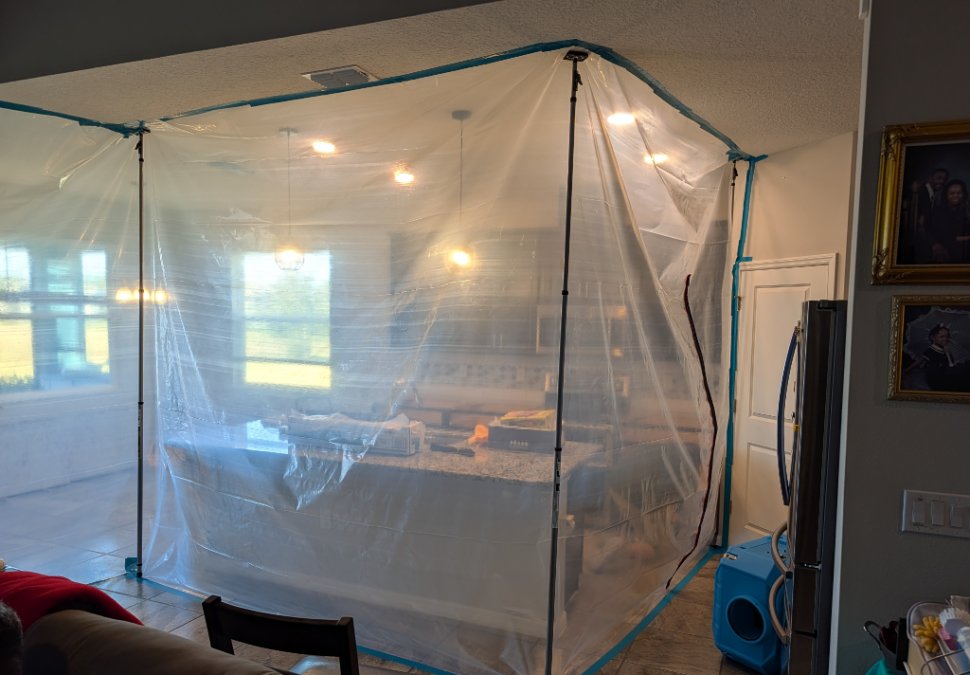
Common Signs of Hidden Mold in Your Home
Visual Indicators
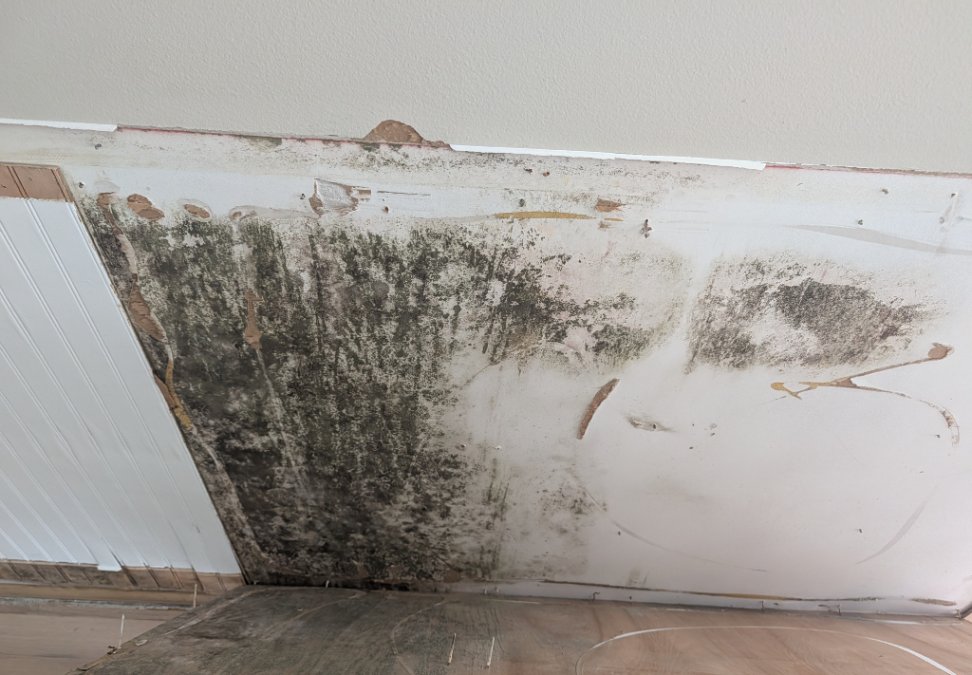
Look for discoloration on drywall, ceiling tiles, wood, and insulation, black, green, or brown spots often follow water stains. Soft or spongy drywall indicates moisture damage. Warping, buckling, or peeling paint signal moisture movement. Rust on fasteners, pipes, or ductwork confirms moisture is active.
Odor and Air Quality Clues
A persistent musty odor can indicate hidden mold or moisture-related conditions. Trace the odor room by room; the strongest smell usually indicates the moisture source or heaviest contamination.
Room-by-Room Inspection Checklist
Bathrooms and Wet Areas
Check tile grout and caulk for black spots. Inspect the ceiling above showers, moisture rises and mold grows there. Examine the wall cavity behind the shower; if the exhaust fan vents into the attic instead of outside, moisture accumulates in the framing. Check under sinks for slow leaks and soft material. Inspect the exhaust fan duct for clogs or disconnection. If flooring feels soft or bouncy, subfloor moisture is present.
Basements and Crawlspaces
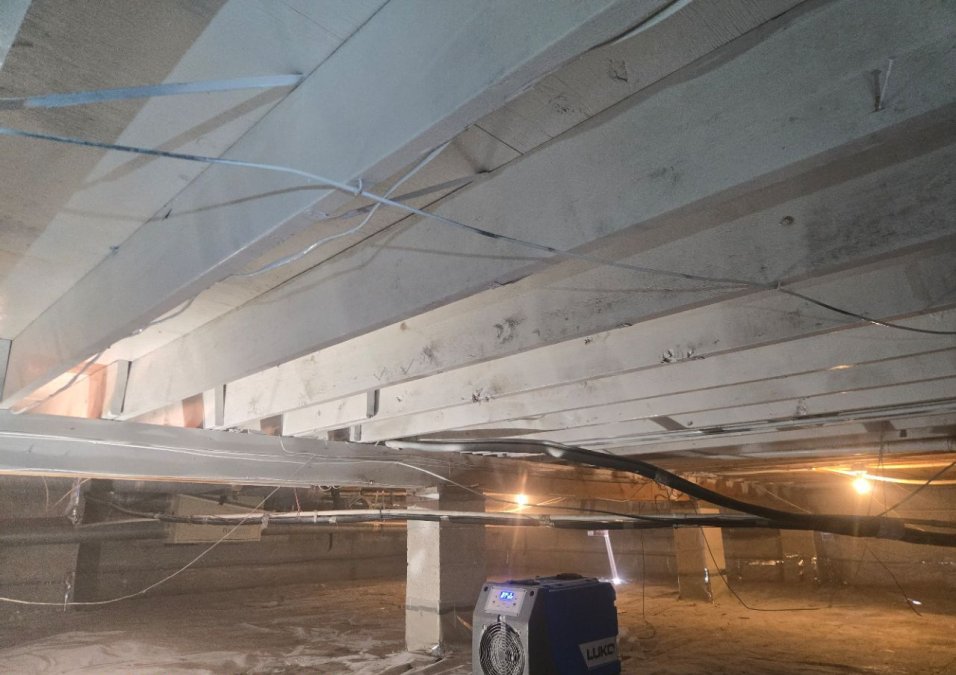
Check foundation walls for efflorescence (white salt deposits) and water stains. Inspect rim joists, the band of wood where foundation meets the first floor, for softness indicating decay. Feel subfloor and rim joist for moisture damage. Check HVAC ducts for condensation. Examine crawlspace insulation for sagging or dampness. Look at soil, dark, wet soil signals uncontrolled moisture. Check crawlspace vents for blockages.
Attics and Upper Levels
Check roof sheathing for dark stains indicating leaks or condensation. Inspect rafters and framing for soft spots using a screwdriver. Look at insulation for dampness. Check soffit and ridge vents for blockages. Examine HVAC and exhaust ducts, if they vent into the attic instead of outside, moisture accumulates. Check roof penetrations for flashing failures.
Moisture Detection Tools and Techniques
Moisture detection tools help you find hidden sources before visible growth appears.
Hygrometers: Measuring Relative Humidity
A hygrometer measures air moisture percentage. Relative humidity above 50% favors mold; above 60% accelerates growth. Place one in bathrooms, basements, crawlspaces, or near windows and check readings over several days. Humidity spiking after showers, staying elevated overnight, or climbing on cool mornings points to ventilation failures or condensation. Readings above 55% RH suggest moisture is being introduced faster than removed. Hygrometers confirm whether a moisture problem exists but don't pinpoint the source.
Moisture Meters: Detecting Water in Materials
A moisture meter measures water content in drywall, wood, insulation, and other materials. Take readings in multiple spots across suspect areas and compare wet areas to dry areas. Record readings in a grid to see where moisture concentrates. Uniform high readings across a wall suggest active moisture entry. Readings spiking near the floor indicate rising moisture or drainage problems. Readings highest near windows point to condensation or exterior water intrusion. Soft material combined with high readings can indicate the material is compromised.
Thermal Imaging Cameras: Spotting Cold Spots and Condensation Zones
Thermal cameras display temperature differences as color gradients. Temperature differences can help identify areas where condensation or moisture may be occurring and where further investigation is warranted. Around windows and exterior doors, cold spots show air leaks or poor insulation. Along rim joists, temperature differences reveal missing insulation or air infiltration. In attics, cold roof decking shows where condensation is likely forming. Around ductwork in basements or crawlspaces, cold ducts in warm, humid spaces attract condensation.
Moisture Mapping: Creating a Diagnostic Picture
Moisture mapping combines multiple readings into a spatial pattern. Divide a suspect area into a grid, take readings at each point, and sketch them on a diagram. The pattern often reveals the source: high readings near an exterior wall suggest exterior water entry; readings spiking near the floor point to rising moisture or plumbing leaks; readings in one corner may indicate a roof leak or condensation zone.
When DIY Tools Reach Their Limit
Moisture meters and hygrometers tell you that moisture is present but not why. If readings show elevated moisture but you can't trace it to an obvious source, professional inspection becomes valuable.
Professional Mold Testing Services and When to Call
Professional mold testing involves air sampling, collecting spore samples from indoor air and comparing them to outdoor baseline levels.
What Air Sampling Measures
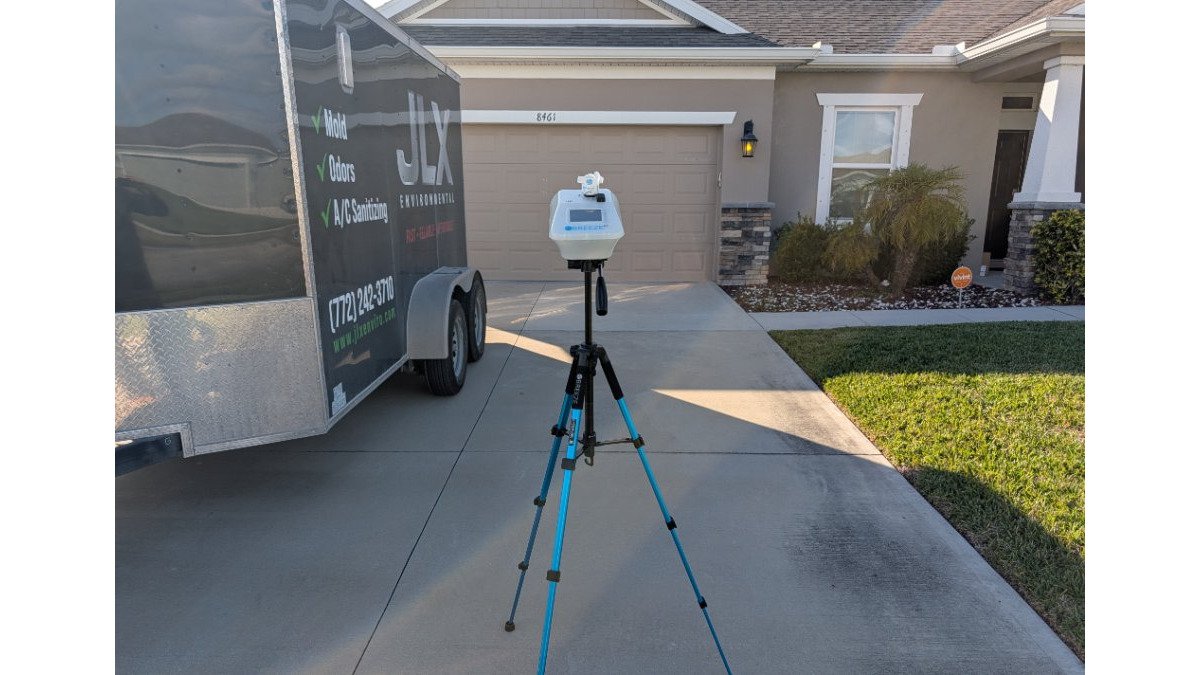
A technician draws air through a collection device for 5-10 minutes. The lab identifies mold types present (e.g., Aspergillus, Penicillium, Cladosporium), spore concentrations, and comparison to outdoor baseline samples collected the same day.
What Air Sampling Does NOT Tell You
Air sampling does not pinpoint where mold is growing or identify the moisture source. Laboratory results are information about conditions at the time of sampling and help evaluate whether remediation was effective, but they don't guarantee future mold won't return if moisture conditions change.
When Air Sampling Is Useful
Air sampling may provide additional information when a musty odor or other building conditions suggest a hidden moisture or mold problem that cannot be located visually. After remediation, air sampling documents whether conditions improved. For insurance or real estate purposes, professional testing provides third-party documentation.
When Air Sampling Is NOT Necessary
If you can see mold and trace it to a moisture source, testing adds cost without changing your next step. Visible mold on drywall near a window, soft insulation in a damp crawlspace, or black spots in a bathroom with poor ventilation all point to the problem. Remediation can begin without waiting for lab results.
Similarly, if your inspection and moisture-detection tools show elevated humidity and soft materials but no visible growth, the issue is clear: moisture is being introduced faster than it's being removed. The fix is addressing ventilation, drainage, or the moisture source, not testing the air.
How to Interpret Lab Results
When you receive air-sampling results, look for:
Indoor vs. Outdoor Comparison
Lab reports commonly compare indoor samples with an outdoor sample collected during the same sampling event. These comparisons can provide useful context, but there is no universal numerical threshold that determines whether indoor mold conditions are acceptable. Results should be interpreted together with the types of spores identified, visual observations, moisture conditions, and other findings from the property.
Mold Types
Common indoor molds include Aspergillus, Penicillium, and Cladosporium. These are found both indoors and outdoors. If the lab identifies molds typically associated with water-damaged materials (such as Stachybotrys or Fusarium), it suggests active moisture and mold growth.
Spore Concentrations
Labs report concentrations in spores per cubic meter (or sometimes per cubic foot).
Professional Inspection vs. Air Sampling
A professional mold inspector uses visual inspection, moisture meters, and sometimes thermal imaging to locate mold and moisture sources. An inspector can often identify the problem without air sampling.
When to Call a Professional
Consider professional testing and inspection if:
- Your own inspection and moisture-detection efforts don't explain the musty odor or visible growth
- You've found elevated moisture readings but can't locate the source
- You need documented results for insurance, real estate, or legal purposes
- The affected area is large, involves multiple rooms, or the moisture source is unclear
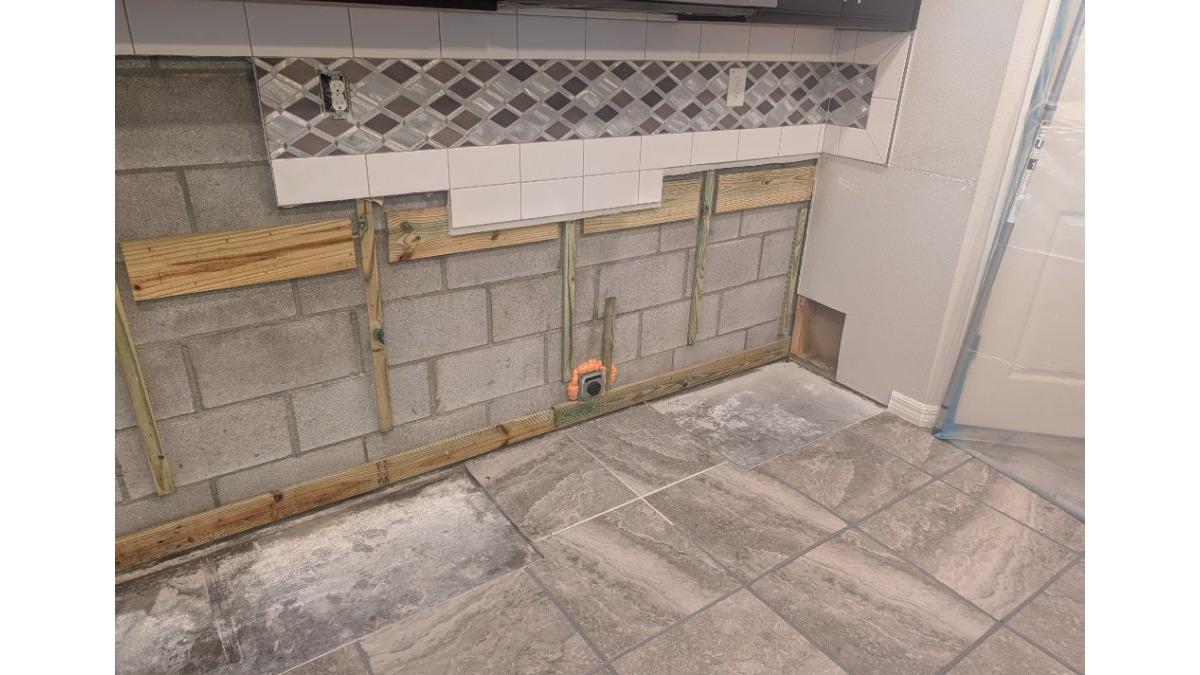
- You suspect mold in hard-to-reach areas (inside walls, under flooring, in HVAC ducts)
JLX Environmental offers mold testing and indoor air quality services that help identify whether mold spore levels are elevated and guide next steps. A professional assessment takes the guesswork out of deciding what needs to be addressed and whether remediation is warranted. Contact us for a free quote to discuss your specific situation.
Differentiating Mold from Mildew and Dust
Mold and mildew are both fungi, but they differ in appearance and location.
Next Steps After Identifying Mold Sources
Once you've identified a moisture source, the next step is stopping the moisture entry.
Frequently Asked Questions
What are the common signs of hidden mold in a house?
Hidden mold often reveals itself through a musty odor, water stains on walls or ceilings, peeling paint or wallpaper, and visible discoloration on drywall or tiles. You may also notice condensation on windows, soft or spongy drywall, or warped materials. These signs suggest moisture and fungal growth even when mold isn't immediately visible. If you detect any of these indicators, a professional inspection can help pinpoint the exact location and extent of the problem.
When should I call a professional for mold testing?
Contact a professional mold testing service if you notice persistent musty odors, visible growth on porous materials, water damage, or signs of moisture intrusion you cannot easily identify. Professional testing is especially important if you're concerned about indoor air quality, if mold has spread beyond a small surface area, or if you're uncertain whether what you're seeing is actually mold. A professional can assess the situation, perform air sampling if needed, and recommend the appropriate next steps.
How can I tell if mold is behind my walls?
Mold behind walls often signals itself through water stains, soft or bowing drywall, peeling paint, or a strong musty smell in a specific area. Check for water intrusion sources like leaky pipes, roof leaks, or foundation seepage. A moisture meter can help detect elevated moisture levels within walls, and a professional can use thermal imaging or other diagnostic tools to locate hidden moisture and growth. If you suspect mold is hidden, professional evaluation is the most reliable way to confirm and address it.
What causes mold growth in homes?
Mold grows wherever moisture, organic material, and adequate temperature exist. Common causes include water intrusion from leaks, poor ventilation in bathrooms and kitchens, high indoor humidity, condensation on windows, crawlspace moisture, and inadequate drainage around foundations. Identifying and controlling moisture sources is essential to prevent fungal growth. Once moisture is managed through proper ventilation, dehumidification, or repair of water entry points, mold growth can be prevented and remediation efforts will be more effective.