Table of Contents
- What You'll Need Before You Start
- How to Reduce Mold Spores in House Air: 7 Steps
- Step 1: Measure Relative Humidity in Every Zone
- Step 2: Keep Indoor Humidity Between 30 and 50 Percent
- Step 3: Run HEPA Filtration Where You Breathe
- Step 4: Keep Air Moving and Ventilation Systems Clear
- Step 5: Track Down Water Intrusion and Condensation
- Step 6: Clean Surfaces and Address Visible Mold Colonies
- Step 7: Stay on Top of HVAC Maintenance
- Musty Smell in House Causes: What Your Nose Is Telling You
- When to Schedule an Indoor Air Quality Evaluation
- Common Mistakes That Keep Mold Spores Circulating
- Frequently Asked Questions
Last Updated: September 28, 2026
What You'll Need Before You Start
Reducing mold spores in house air starts with moisture control, good filtration, and identifying conditions that may be contributing to microbial growth. You don't necessarily need laboratory testing to begin improving indoor conditions, but you do need to understand where excess moisture may be coming from.
This guide walks through seven steps. Each one targets a different part of the problem: humidity, filtration, airflow, water, surfaces, and your HVAC system.
Gather these before you start:
- A handheld hygrometer to read relative humidity
- A HEPA-filtered vacuum or a vacuum with a HEPA bag
- A dehumidifier sized for the room
- A HEPA air purifier for bedrooms and living areas
- A notebook or phone to log readings room by room
- Mild detergent, water, and a soft brush for surface cleaning
One note before you begin. Airborne mold spores are always present in indoor air (the CDC). The goal is not zero spores. The goal is control: keeping moisture low and filtration high so spores cannot settle and grow.
How to Reduce Mold Spores in House Air: 7 Steps
The seven steps below work in order. Skip one and the others get harder. Fix the moisture first, then filter, then clean.
Step 1: Measure Relative Humidity in Every Zone
Relative humidity is the amount of water vapor in the air compared to what the air can hold at that temperature. Elevated relative humidity is an important factor that can create conditions favorable for indoor microbial growth.
Check each zone separately:
- Bedrooms, bathrooms, kitchen, laundry
- Crawlspace or other moisture-prone areas
- Attic (read from the access point)
- Any room with a known leak or past water intrusion
Log the number and the time of day. Morning and evening readings often differ. A room that reads dry at noon may climb overnight.
Step 2: Keep Indoor Humidity Between 30 and 50 Percent
Keeping indoor relative humidity around 30 to 50 percent is a common target when practical. Mold growth becomes more likely as humidity remains elevated, particularly when surfaces or materials stay damp. Condensation can also occur when warm, humid air contacts surfaces that are below the dew point.
Ways to hold the range:
- Run a dehumidifier in the dampest zone
- Use bathroom and kitchen exhaust fans during and after use
- Fix drip pans and drain lines under refrigerators and AC units
- Keep interior doors open so air circulates
A hygrometer costs little and tells you whether your changes are working. Without one, you are guessing.
Step 3: Run HEPA Filtration Where You Breathe
HEPA filtration captures airborne particles, including mold spores, at high efficiency. A true HEPA filter is rated to capture at least 99.97 percent of airborne particles at 0.3 microns. Mold spores are generally larger than this reference particle size, which makes HEPA filtration useful for capturing airborne spores and other particulates as air passes through the filter.
Where to place purifiers:
- Bedrooms, where you spend the most hours
- Living areas with carpet or upholstery
- Any room with a musty smell
Check the filter spec before you buy. "HEPA-type" and "HEPA-like" are not the same as true HEPA. Look for the efficiency rating on the label.
Step 4: Keep Air Moving and Ventilation Systems Clear
Ventilation systems and open air paths keep humidity from pooling. Stagnant air lets moisture settle on surfaces and gives spores a place to land.
What to do:
- Run exhaust fans in bathrooms and the kitchen
- Open windows when outdoor humidity is low
- Keep supply and return vents unblocked by furniture
- Make sure rooms with moisture sources have appropriate ventilation and airflow
Avoid blocking normal HVAC airflow or required ventilation in an attempt to keep a room cooler. Proper airflow and moisture control are important for maintaining indoor conditions
Step 5: Track Down Water Intrusion and Condensation
Water intrusion and condensation are the two ways moisture gets into a home. Find both before you clean anything.
Look for:
- Stains on ceilings, walls, or under sinks
- Condensation on windows, pipes, or AC ducts
- Soft or discolored drywall
- Musty smell near a specific wall or closet
A common mistake is cleaning the visible spot and stopping there. If the moisture source stays active, the growth returns. Identify the source and have the right trade address it. JLX Environmental does not perform plumbing, roofing, or structural leak repairs, but we can identify and document moisture conditions related to the areas we evaluate and remediate.
Step 6: Clean Surfaces and Address Visible Mold Colonies
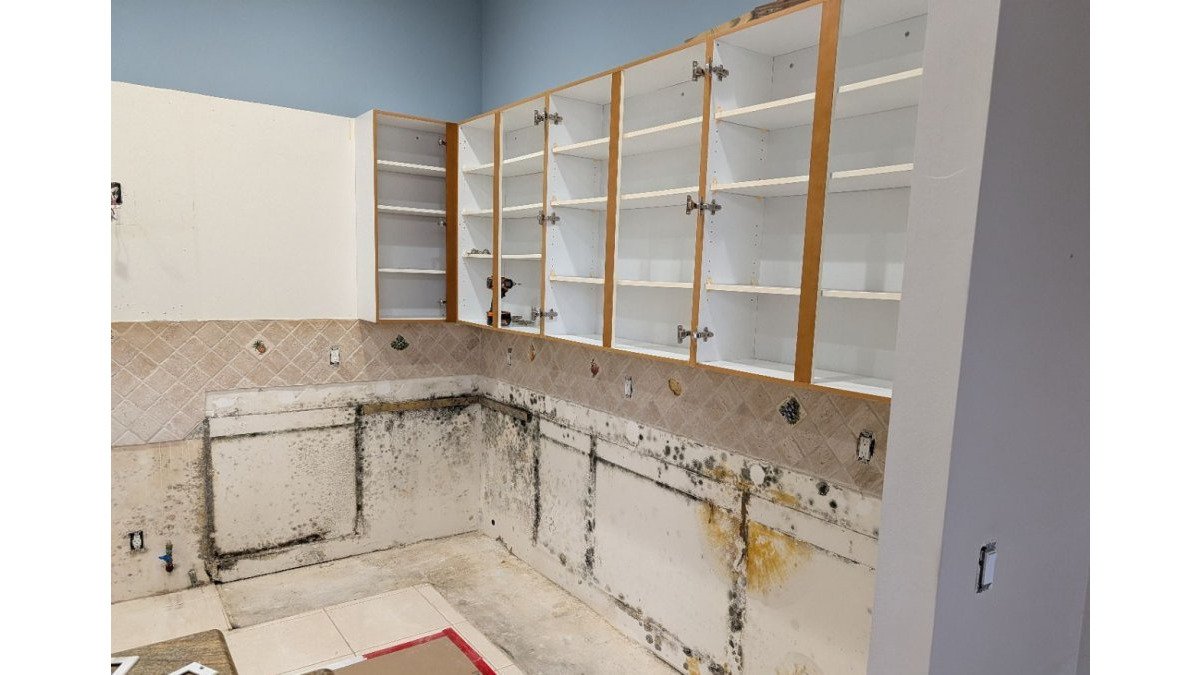
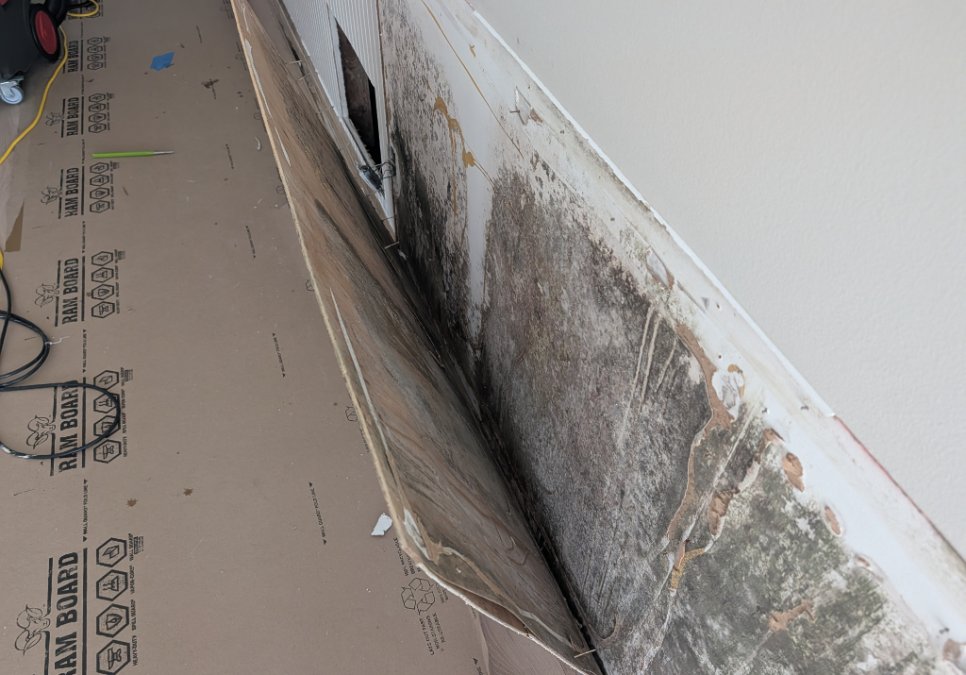
Mold colonies on hard surfaces can often be cleaned. Porous materials that are heavily affected usually need to be removed, not scrubbed.
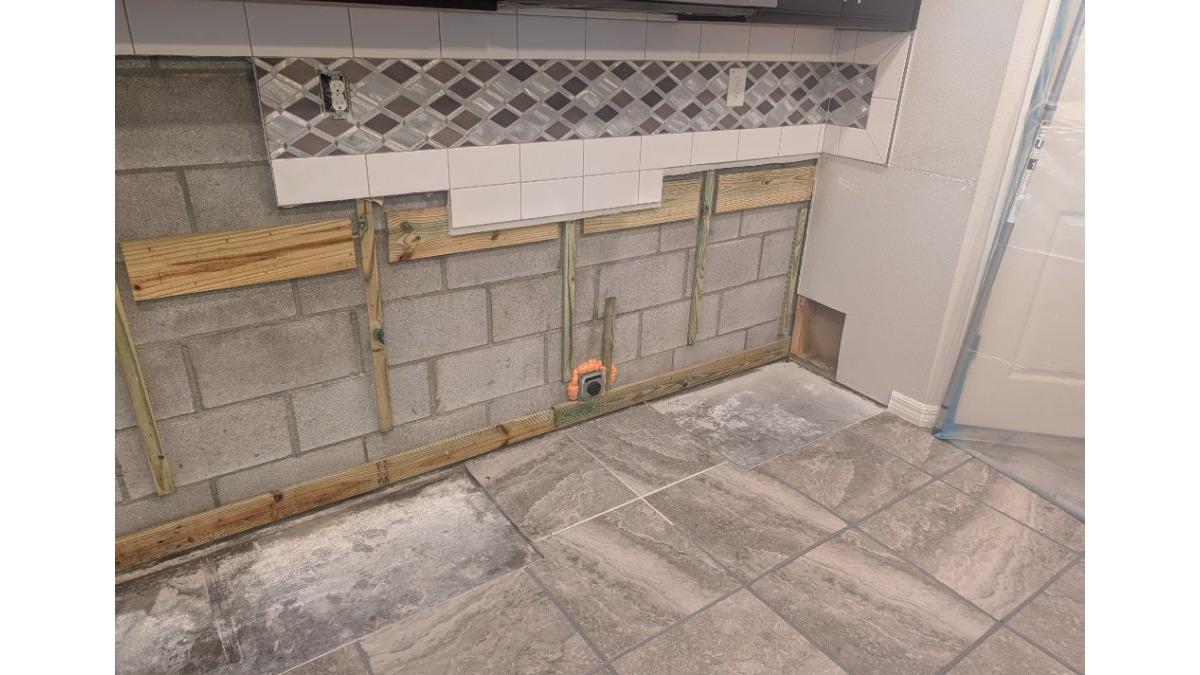
Small areas of surface growth on hard, non-porous materials may sometimes be addressed with basic cleaning after the moisture source has been corrected. The surface should be thoroughly dried afterward. If growth returns, extends beyond the visible area, affects porous building materials, or the moisture source is uncertain, professional evaluation is appropriate.
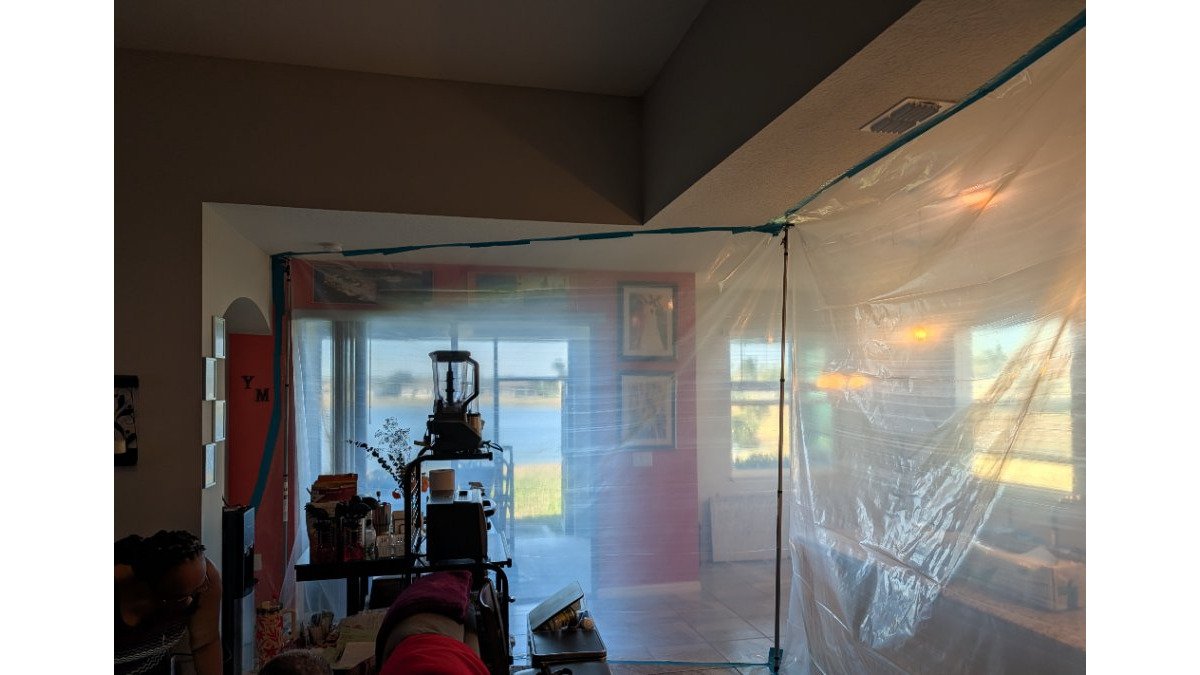
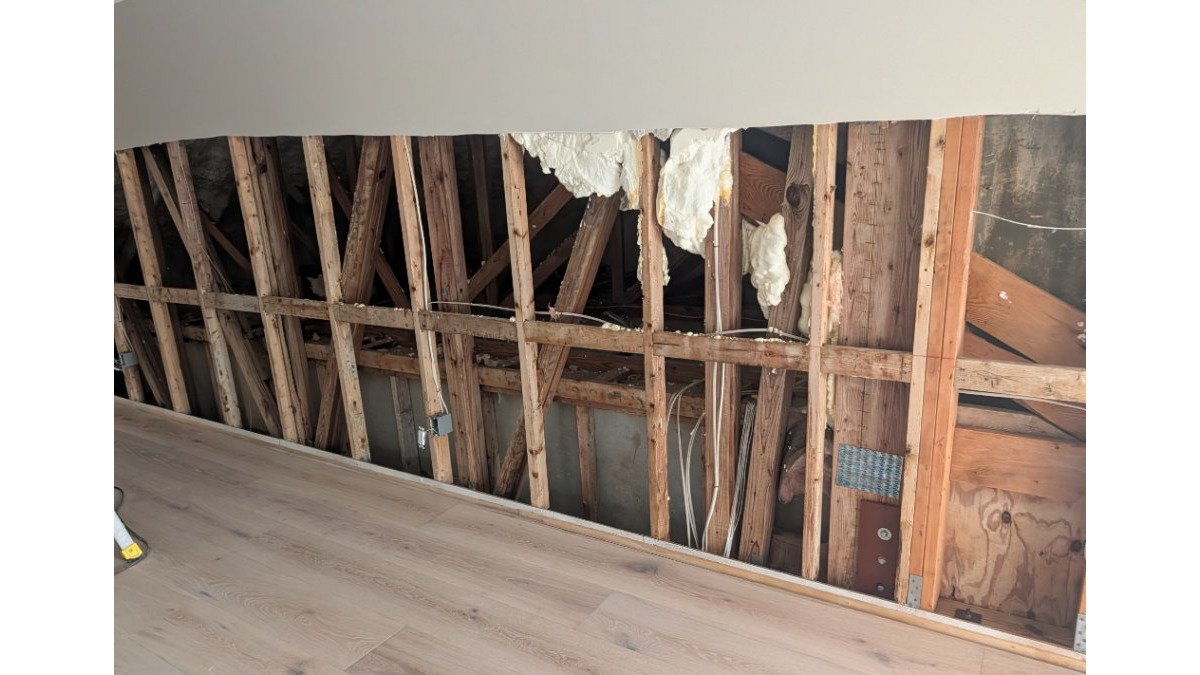
Skip the fan trick. Do not set up box fans or household fans to dry a wet area, because that can spread spores through the room. When microbial growth affects porous materials, extends into concealed areas, involves demolition, or appears more extensive than simple surface growth, evaluation by a licensed mold remediator is appropriate.
Step 7: Stay on Top of HVAC Maintenance
HVAC maintenance protects the whole system that moves your air. Moisture, accumulated debris, or microbial growth within HVAC components can negatively affect indoor air quality as air moves through the system.
Monthly and seasonal tasks:
- Replace or clean the air filter on schedule
- Clear the condensate drip pan and drain line
- Check for standing water in the air handler
- Have the HVAC system professionally serviced as recommended and evaluated if you notice moisture, microbial growth, or persistent musty odors
Drip pans and drain lines are common mold spots.
Musty Smell in House Causes: What Your Nose Is Telling You
A persistent musty odor can indicate excess moisture or microbial growth somewhere in the building, even when the source is not immediately visible. The odor is a reason to investigate the underlying conditions rather than simply masking the smell.
Common musty smell in house causes:
- A slow leak behind a wall or under a floor
- A wet crawlspace with no vapor control
- Condensation on cold pipes or ductwork
- A clogged AC drip pan
- Damp carpet, padding, or insulation
- A bathroom or laundry with poor exhaust
When to Schedule an Indoor Air Quality Evaluation
An indoor air quality evaluation is a professional assessment of the air and conditions in a building. It combines visual inspection, moisture readings, and, when appropriate, air sampling.
Consider scheduling one when:
- A musty smell returns after cleaning
- You see visible growth and are not sure of the extent
- A real estate transaction needs documentation
- A tenant or property manager reports ongoing odor
- You have had repeated moisture problems in the same area
Common Mistakes That Keep Mold Spores Circulating
Here are the missteps we see most often.
Mistake | Why It Backfires | What to Do Instead |
|---|---|---|
Cleaning without fixing moisture | Growth may return if moisture remains | Find and fix the water source first |
Using a box fan on a wet area | Fans can spread spores through the room | Dry with controlled airflow and dehumidification |
Trusting "HEPA-type" filters | Lower efficiency than true HEPA | Check the 99.97% at 0.3 micron rating |
Ignoring the crawlspace | Crawlspace moisture can affect conditions in the home | Add vapor control and check it seasonally |
Skipping HVAC upkeep | Dirty systems spread spores | Replace filters and clear drip pans on schedule |
Painting over stained drywall | Traps moisture and hides the problem | Dry the material fully before any repair |
The pattern is the same in almost every case. People treat the symptom and leave the cause in place.
Frequently Asked Questions
Do air purifiers actually remove mold spores from the air?
Units with a true HEPA filter capture airborne mold spores at high efficiency, and many portable purifiers are rated for that. The catch is that a purifier only cleans the air that passes through it, so it works best alongside humidity control and source removal. If moisture keeps feeding new growth, filtration alone will not get you to lower spore levels. Run the unit in the room where you spend the most time, keep doors closed, and replace filters on schedule.
Is it normal to have mold spores in the air?
Yes. Mold spores are a normal part of outdoor and indoor air, and there is no practical way to reach zero. The goal is not elimination but keeping indoor levels reasonable by controlling moisture, filtering the air, and cleaning up active growth. When spore counts indoors look elevated relative to outdoor air, or when a musty smell persists, that points to a moisture problem worth investigating rather than a reason to panic.
How does humidity control impact airborne mold spore levels?
Humidity control is an important part of preventing microbial growth. Sustained elevated relative humidity can create conditions that allow materials and surfaces to remain damp enough to support growth. Keeping indoor humidity controlled with properly operating air conditioning, dehumidification when needed, and appropriate exhaust ventilation can help reduce that risk. Check each zone with a hygrometer, since bathrooms, laundry rooms, and crawlspaces often run wetter than the rest of the house.
Can cleaning and ventilation help reduce mold spores?
Both help, but they work differently. Surface cleaning can remove settled particles and growth from appropriate cleanable surfaces. Porous building materials require evaluation based on the material, extent of growth, and moisture conditions rather than relying on surface treatment alone. Ventilation lowers humidity and moves stale air out, which reduces condensation. Together they cut the spore load, but neither fixes an active leak or water intrusion. If growth covers a large area or sits behind drywall, professional remediation is the safer route.