Table of Contents
- Better Indoor Air Quality Throughout the Home
- Reduced Dust Accumulation and Debris Removal
- Less Musty Smell in House Causes Tied to Duct Buildup
- Airflow, HVAC Efficiency, and System Lifespan
- DIY vs. Professional Sanitization Risks
- Conclusion: Matching the Service to the Condition
- Frequently Asked Questions
Last Updated: October 2, 2026
Better Indoor Air Quality Throughout the Home
HVAC sanitizing involves applying an appropriate treatment to HVAC surfaces when conditions call for it. It is different from mechanical duct cleaning, which physically removes accumulated dust and debris. The appropriate service depends on the condition of the system, the materials involved, and whether moisture or microbial growth is present.
As an HVAC system operates, it continuously circulates air through the areas it serves. Conditions within the air handler and duct system can therefore be relevant to overall indoor air quality.
The EPA notes that indoor air can carry more pollutants than outdoor air in some homes, largely because ventilation is limited (the EPA). That makes the condition of your ductwork worth understanding.
Sanitizing may be appropriate when HVAC surfaces require treatment for microbial conditions or odor-related concerns after the system has been evaluated. When significant dust or debris is present, mechanical cleaning may also be appropriate. Because these services address different conditions, one should not automatically be performed simply because the other is needed. For a homeowner, that is the practical difference.
Reduced Dust Accumulation and Debris Removal
Dust accumulation inside ductwork is one of the most common findings during an inspection. Over time, particles pass through the filter and settle on duct surfaces, especially where airflow slows.
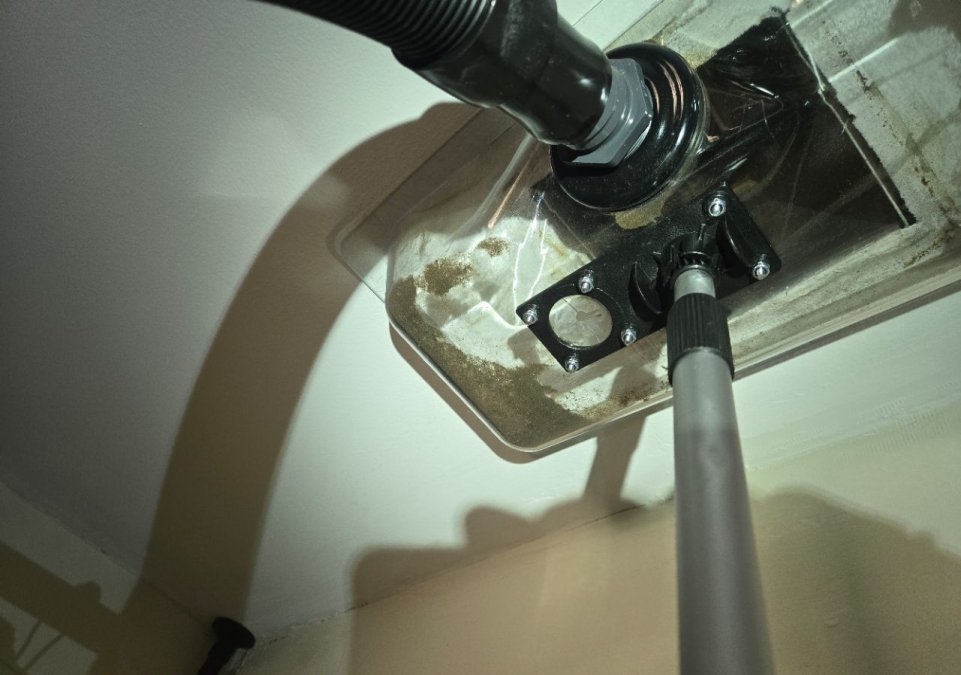
Mechanical cleaning physically removes accumulated dust and debris. Sanitizing is a separate treatment process that may be appropriate depending on the condition of the system and does not automatically require mechanical duct cleaning first.
A few signs dust is building up in the system:
- Visible dust puffing from vents when the system starts
- Surfaces that need dusting within a day or two
- Dark streaks around register grilles
- A filter that loads up faster than expected
Filter replacement matters here too. A clogged filter restricts airflow and lets more particles bypass into the system.
Less Musty Smell in House Causes Tied to Duct Buildup
A musty smell in a house often traces back to moisture feeding microbial growth somewhere in the building (the EPA). Ductwork is a frequent contributor because it stays dark, sees temperature swings, and can hold condensation.
- Antimicrobial treatment: a specific product category with its own label directions and contact times, not a universal step
A few practical points:
- Sanitizing products are registered for specific uses. The label directions, including dwell time on the surface, are part of how the product is meant to work.
Not every system needs sanitizing or mechanical cleaning. The appropriate service should be based on the actual condition of the system.
- Damp conditions with visible growth change the scope. In that case, the moisture source has to be identified and addressed, because sanitizing a surface that stays wet will not hold.
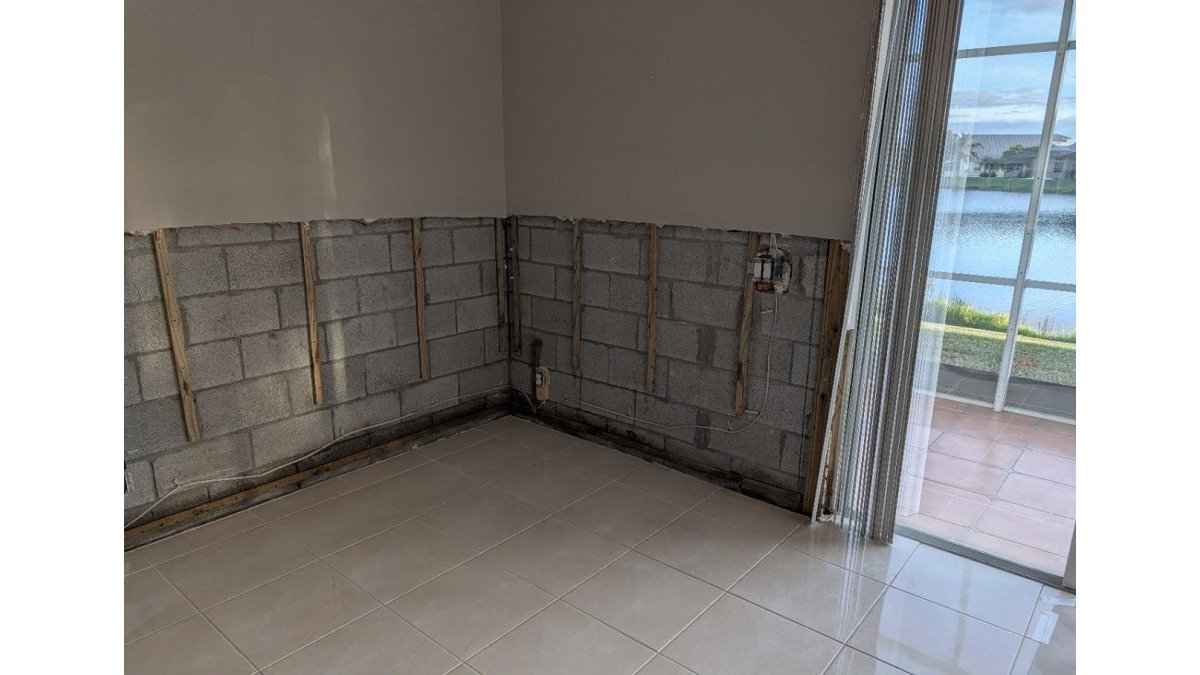
- Sanitizing is not a substitute for remediation when porous materials, demolition, or significant contamination are involved. Those situations call for a different scope.
That is why a condition-based evaluation beats a fixed package.
If you want to understand how this applies to your home, JLX Environmental offers air duct cleaning and sanitizing as a condition-based service.
Airflow, HVAC Efficiency, and System Lifespan
Significant debris, damaged ductwork, dirty HVAC components, and other system conditions can affect airflow and performance. Mechanical cleaning may be appropriate when debris is actually restricting components or airflow, while coil or equipment maintenance should be performed according to the condition of the system.
Sanitizing serves a different purpose and should not be presented as an HVAC efficiency treatment. Its role is to address appropriate microbial or surface conditions when treatment is warranted.
A few maintenance habits that protect performance:
- Replace filters on schedule, not when they look bad
- Keep registers and returns unobstructed
- Address moisture promptly when you find it
Preventative maintenance is cheaper than replacement. That holds true for ductwork as much as for the equipment itself.
DIY vs. Professional Sanitization Risks
Some HVAC maintenance is reasonable for a homeowner. Filter replacement, keeping registers and returns clear, and watching for moisture near the air handler are simple, safe, and worth doing on a schedule.
What a homeowner can safely handle:
- Replacing the filter on the manufacturer's recommended interval, or sooner during heavy cooling season
- Vacuuming the register grilles and wiping the visible surfaces around them
- Keeping furniture, rugs, and boxes from blocking returns
- Checking the condensate drain pan and the area around the air handler for standing water or damp insulation
- Noting musty odors, dust patterns, or visible growth and documenting when they started
What belongs with a professional:
- Anything past the register grille, inside the duct runs
- Coil cleaning, which involves the air handler and often refrigerant or electrical components
- Any situation where visible microbial growth is present on duct surfaces or the air handler
- Any situation where the moisture source has not been identified
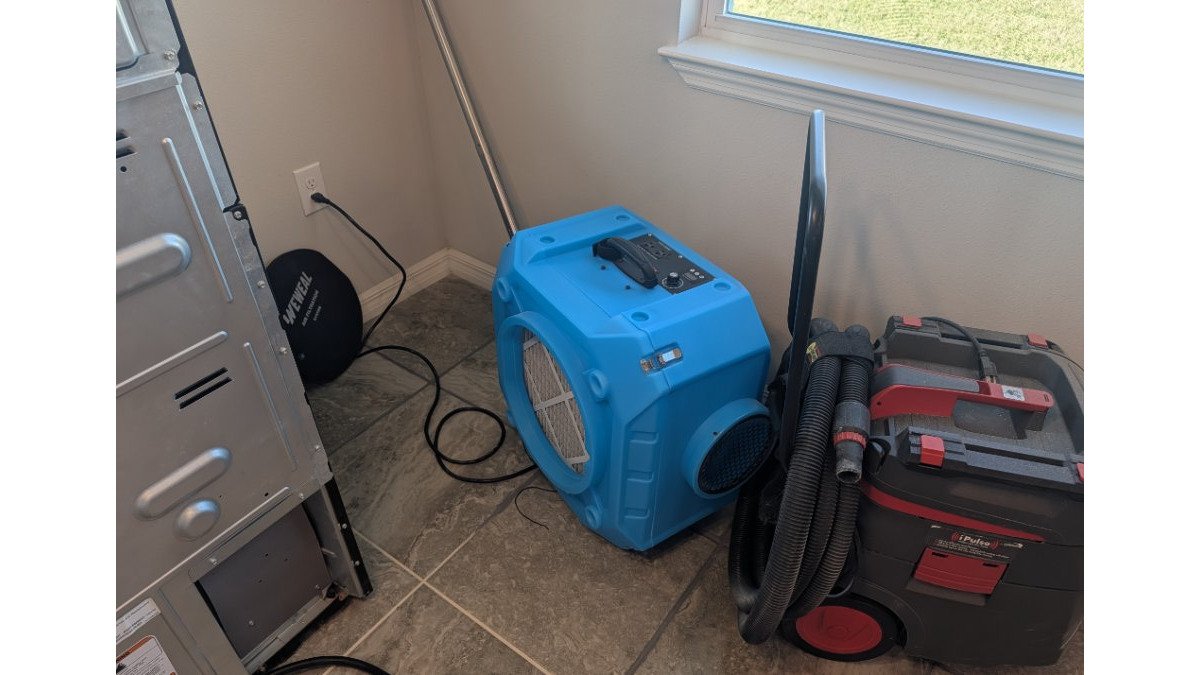
Why improvised approaches backfire. Household fans, box fans, and shop vacuums are not built to contain debris or spores. Using them on the duct interior can push contamination into living space instead of removing it.
A maintenance rhythm that actually holds. Sanitizing is not a one-time event. Systems stay in better condition when a few habits are kept on a schedule:
- Monthly: check the filter. Replace it when it is gray and matted, not when it looks "bad enough."
- Seasonally: before cooling season and before heating season, walk the system. Look at registers, the air handler, and the drain pan. Note any odor or moisture.
As needed: have the system evaluated when you notice persistent odors, moisture, visible contamination, unusual debris buildup, or other conditions that suggest the HVAC system may need attention.
- After any moisture event: address the source first. Cleaning and sanitizing a system that is still getting wet will not hold.
For anything involving porous materials, demolition, or significant contamination, professional remediation is the right call. Minor surface cleaning is a different situation entirely. JLX Environmental handles air duct cleaning and sanitizing alongside mold testing and indoor air quality evaluation, so the scope matches what the property actually needs.
Conclusion: Matching the Service to the Condition
The benefits of sanitizing an HVAC system come down to one idea: the service should match the condition you actually have. Cleaning or sanitizing may help address dust, debris, odors, or microbial conditions when those issues are actually present in the HVAC system, but the service should always match the condition being addressed.
If you have noticed musty odors, heavy dust, or moisture near your air handler, an evaluation is the sensible first step. JLX Environmental offers licensed mold remediation, mold testing, air duct cleaning and sanitizing, and odor removal across Florida's Treasure Coast and Space Coast. The team is led by Florida Licensed Mold Remediator Devon Morante (MRSR4624).
Get started with JLX Environmental and request a free quote at jlxenviro.com.
Frequently Asked Questions
Does sanitizing air ducts actually work?
Sanitizing treats appropriate HVAC surfaces with a product intended for that application when conditions warrant treatment. Mechanical cleaning may also be needed when significant dust or debris is present, but the two services address different conditions. If a duct system stays damp because of high humidity or a hidden leak, microbial growth can return regardless of how well the sanitizing was done.
What is the difference between air duct cleaning and sanitizing?
Cleaning removes loose dust, debris, and buildup from duct interiors and components using vacuums and agitation tools. Sanitizing applies an appropriate treatment to HVAC surfaces when conditions warrant it. Depending on the condition of the system, accumulated debris may need to be removed before treatment, but mechanical duct cleaning is not automatically required on every sanitizing project. The two services have different purposes, and the appropriate scope should be based on the actual condition of the system.
How often should HVAC systems be sanitized?
There is no fixed schedule that fits every home. Frequency depends on the condition of the system, humidity levels, filter maintenance, whether pets are present, and whether there has been a moisture event. A home with well-maintained filters and no moisture issues may go years between services. A property with recurring musty smell in house causes such as damp ductwork may need attention sooner. Ask a provider to evaluate conditions rather than sell a calendar-based plan.
Will cleaning my air ducts make my house less dusty?
It may help when significant debris is actually present within the HVAC system and contributing to indoor dust. Removing accumulated debris eliminates one potential source, although household dust can come from many other sources as well. Results vary with how much buildup existed, how well the home is sealed, and how often filters are changed. Duct cleaning is not a substitute for regular filter replacement, and a home with high dust levels may also have other sources worth checking.