Table of Contents
- What Mold Detection Companies Actually Do
- Mold Inspection vs. Mold Testing: What the Difference Means for You
- Mold Inspector Qualifications and Credentials to Verify
- What a Useful Mold Inspection Report Should Include
- Independent Inspection vs. Remediation by the Same Company
- Comparing Mold Detection Companies Side by Side
- Post-Remediation Verification: Confirming the Work Did What It Should
- Frequently Asked Questions
Last Updated: October 7, 2026
What Mold Detection Companies Actually Do
Mold detection companies investigate where mold is growing, why, and what it will take to correct it. At JLX Environmental, that investigation is the foundation of every project: find the moisture, document the conditions, then recommend a scope of work.
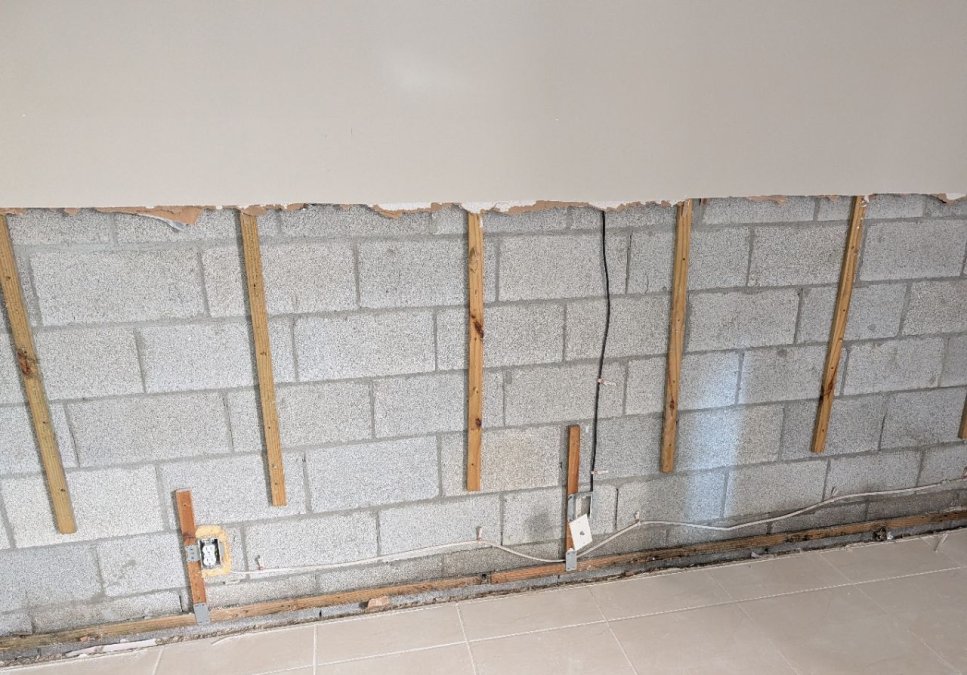
The work splits into three distinct services, and mixing them up is the most common source of confusion for homeowners:
- Inspection is a visual and condition-based evaluation of the property. An inspector looks at suspect areas, checks moisture readings, examines building materials, and traces likely water sources.
- Testing involves collecting samples, typically air or surface samples, and sending them to a laboratory for analysis. Results come back in a lab report.
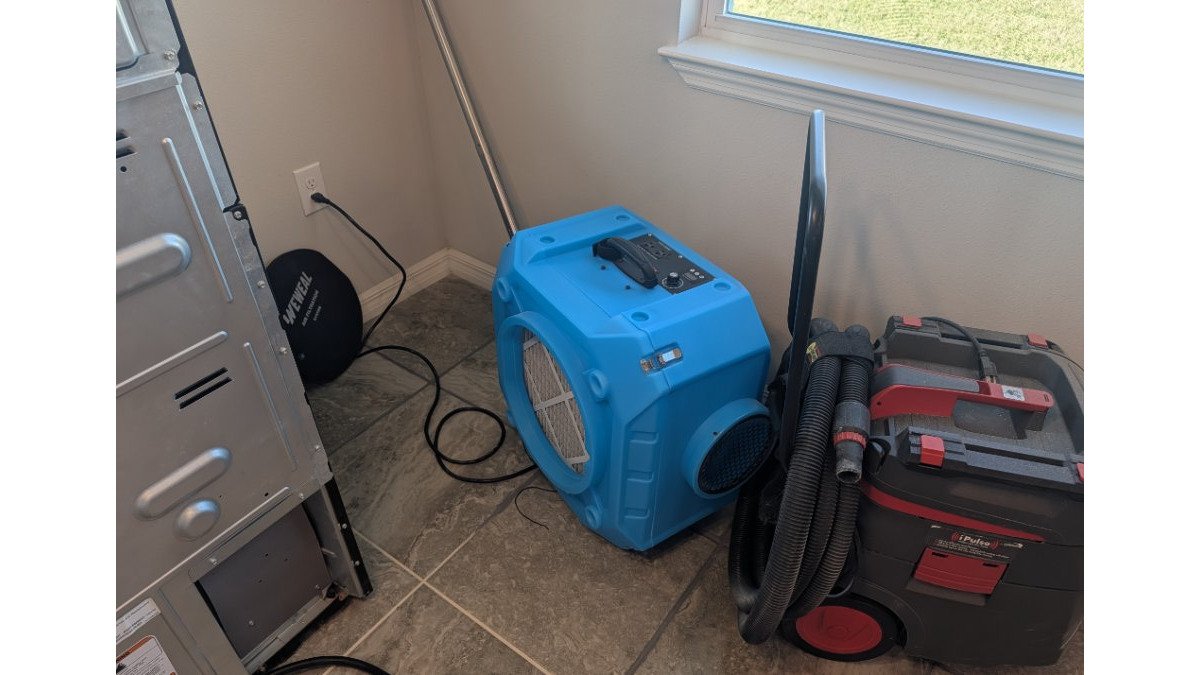
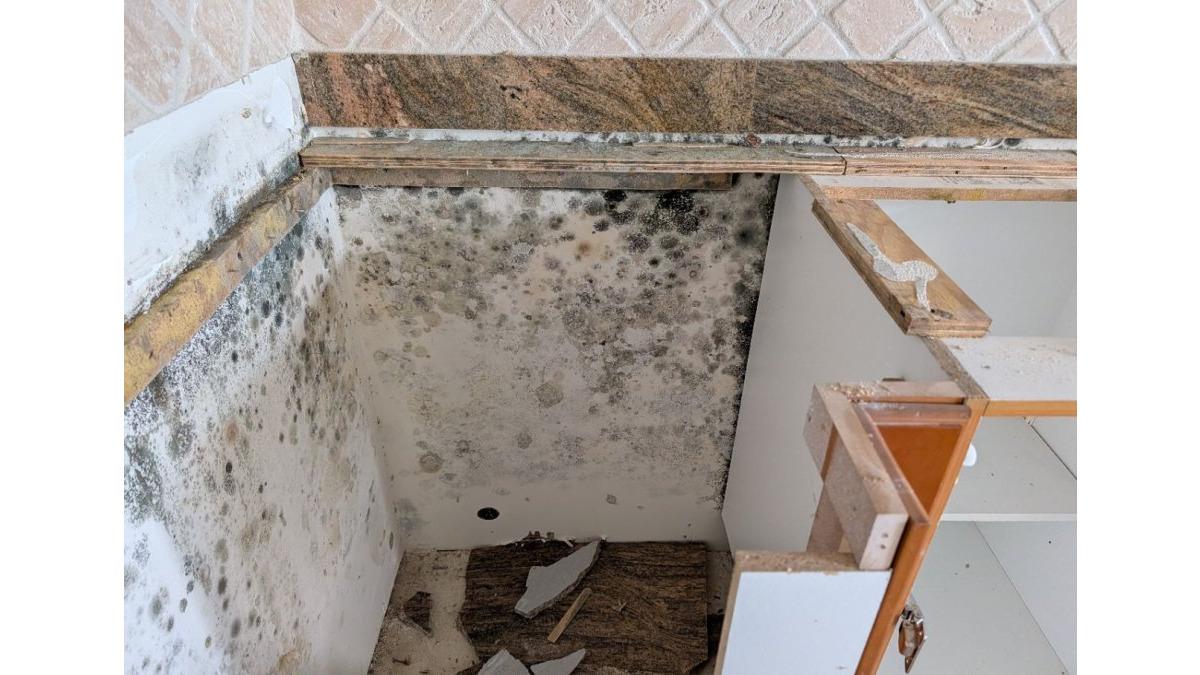
- Remediation is the physical work of removing mold-affected materials, cleaning and treating appropriate surfaces, and addressing microbial contamination after the underlying moisture source has been identified.
A company may offer one, two, or all three. Knowing which you need saves time and money.
Inspection, Testing, and Remediation Are Different Services
Many property owners ask for "mold testing" when they really want an answer about a visible stain or musty smell. An inspection usually comes first: the inspector documents what is visible, measures moisture, and identifies the moisture source. Testing may follow if sampling would add useful information, while remediation may be appropriate when the observed conditions and affected materials support it.
Mold Inspection vs. Mold Testing: What the Difference Means for You
Mold inspection and mold testing are not the same thing. An inspection is an on-site evaluation of conditions; testing is the collection and laboratory analysis of samples.
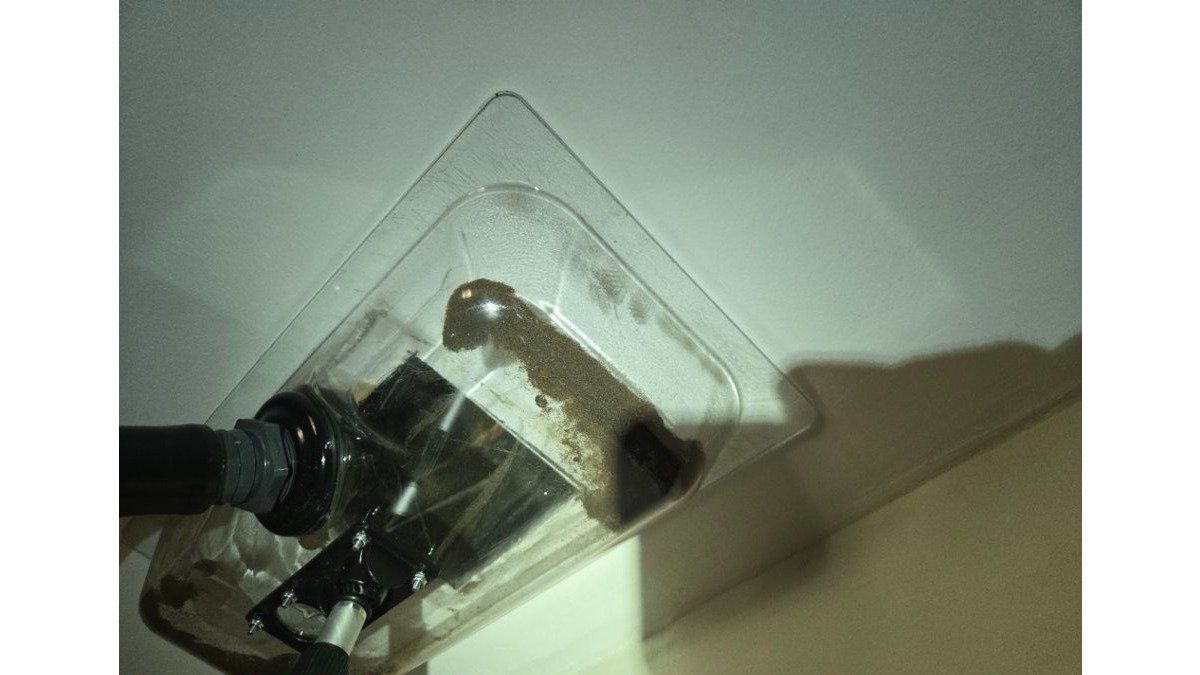
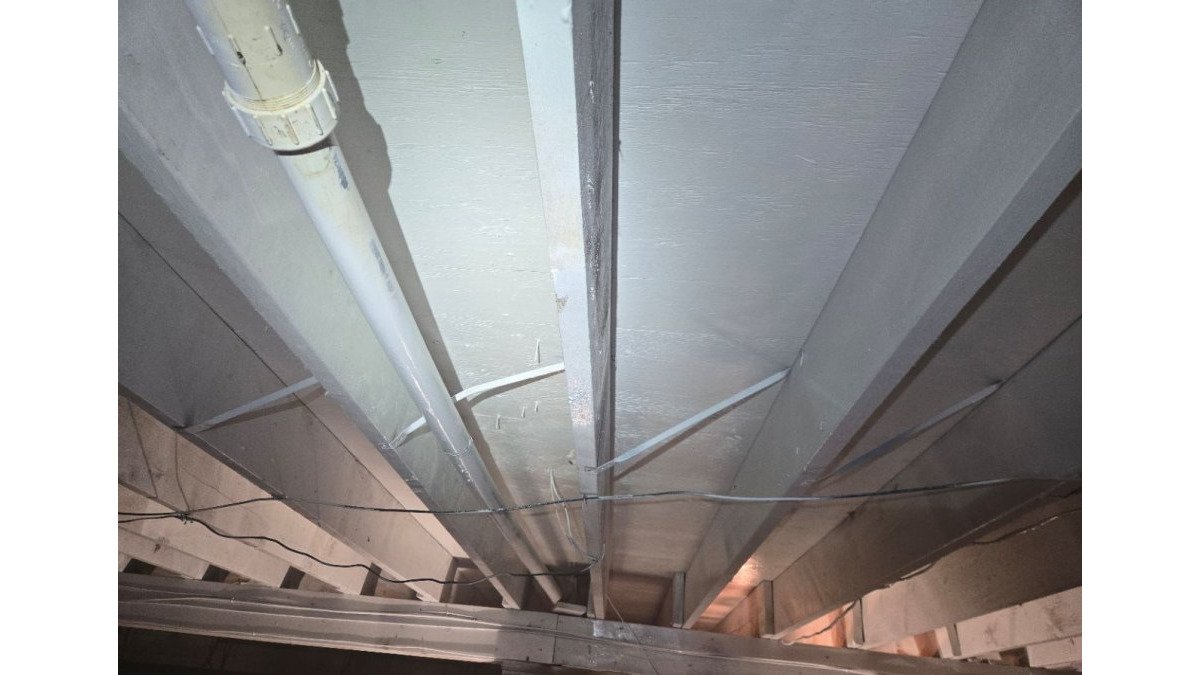
A thorough inspection covers areas where moisture commonly develops, including crawlspaces, attics, bathrooms, laundry areas, HVAC systems, and locations with a history of leaks, condensation, or water intrusion.
Testing is a separate step. When visible microbial growth and the affected materials are already apparent, an inspection may provide enough information to determine appropriate next steps without identifying the specific mold type through sampling.
When Air Sampling Adds Useful Information
Air sampling collects a measured volume of air and captures spores on a medium sent to a laboratory. It can be useful when there is a musty odor but no visible growth, when a transaction requires documentation, or when you want a baseline before and after work. Air sampling alone does not determine whether remediation is necessary, what the scope should be, or exactly where growth is located (the EPA).
For a closer look at how we handle sampling, see our mold testing services.
Mold Inspector Qualifications and Credentials to Verify
Florida regulates mold-related work through the Department of Business and Professional Regulation (DBPR). Two license types matter: the Mold Assessor license, covering inspection and sampling, and the Mold Remediator license, covering physical removal and cleaning.
Before you hire anyone, ask for the license number and verify it yourself through DBPR's public license search, which shows status, license type, expiration date, and disciplinary history. A legitimate provider will give you the number without hesitation.
Ask these questions before you book:
- Which license do you hold, Mold Assessor, Mold Remediator, or both, and what is the number?
- Are you insured, and can you provide a certificate of insurance?
- How many years have you worked in this field?
- Will you provide a written report, and what does it include?
- Do you perform remediation yourself, or only inspection?
- If you perform both, how do you handle the separation between assessment and remediation?
Licensing, Insurance, and Complaint History
A license number is a starting point, not a finish line. Check the DBPR database for status and disciplinary history, and confirm liability and general insurance coverage with a certificate rather than a verbal assurance.
A few practical verification habits help:
- Match the license number on the report to the license number you verified. They should be the same.
- Confirm the license is active and not expired. An expired license is not a license.
- Ask whether the person who will actually be on site holds the license, or whether the work is subcontracted.
- Check that the company's insurance certificate names the correct business entity.
Florida DBPR mold-related licensing and public license search
The U.S. Environmental Protection Agency's mold guidance is a useful reference for understanding what a professional assessment should cover. It is written for the public and does not replace a licensed inspector, but it helps you ask better questions.
What the Two License Types Mean for Your Project
Florida separately licenses mold assessment and mold remediation. Some professionals may hold both license types; however, Florida law includes conflict-of-interest requirements governing assessment and remediation services performed on the same structure. When hiring a provider, ask which licensed service is being performed and how the company complies with Florida's requirements for separation between assessment and remediation activities.
What a Useful Mold Inspection Report Should Include
A mold inspection report should be specific enough that a different contractor could read it and understand the conditions without visiting the property.
One of the most important things an assessment can document is the moisture condition contributing to microbial growth and, when possible, the likely source. A report that documents growth without addressing the underlying moisture conditions leaves an important part of the problem unresolved.
A solid report typically includes:
- The date, property address, and the inspector's name and license number
- Areas inspected and areas that were not accessible, with the reason
- Moisture readings and the specific locations where they were taken
- Photographs of affected areas, ideally with enough context to locate them
A description of observed moisture conditions and the suspected or identified source, when determinable
- Laboratory results, if samples were collected, including sample locations and the lab's name
- A summary of findings and recommended next steps
How to Read a Report and Compare It to Another
When comparing providers, ask each one what its report will contain before you book, then compare the actual reports using the same criteria:
Report Element | What Good Looks Like | Why It Matters |
|---|---|---|
Moisture conditions | Documented, with likely source identified when possible |
|
Moisture readings | Numbers with locations | Lets a second contractor verify conditions |
Photographs | Labeled by area, not just close-ups | Lets you match findings to rooms |
Sample data | Lab name, sample locations, collection method | Makes results traceable and comparable |
Scope of work | Tied to specific findings | Prevents vague or inflated remediation quotes |
Limitations | States what was not inspected and why | Sets honest expectations |
If a report is missing the moisture source or photographs, ask for them. If it lists sample results without sample locations, ask for the sample log. If it recommends remediation without tying the recommendation to specific findings, ask which findings support it.
Reports, Sampling, and What They Do Not Prove
A report that includes laboratory results is not a verdict. Air sampling results are one source of information, interpreted alongside visual observations, moisture conditions, building history, spore types, and other findings. A report presenting a lab result as proof a property is mold-free, or as the sole basis for a remediation scope, overstates what the data can show. A useful report is clear about what was found, what was not found, and what remains uncertain.
For a closer look at how we handle sampling and reporting, see our mold testing services.
Independent Inspection vs. Remediation by the Same Company
Companies may provide assessment services, remediation services, or both through appropriately licensed professionals. In Florida, assessment and remediation are separately licensed activities, and providers must comply with applicable conflict-of-interest requirements when services involve the same structure.
Comparing Mold Detection Companies Side by Side
Comparing providers side by side keeps the decision grounded in verifiable facts instead of sales pressure. Use the same criteria for every company so the comparison is fair.
Criteria | What to Look For | Why It Matters |
|---|---|---|
Licensing | Active state license number, verifiable | Confirms legal authority to perform the work |
Insurance | Current liability and general coverage | Protects you if something goes wrong |
Scope clarity | Written scope tied to inspection findings | Prevents vague or inflated work |
Report quality | Photos, moisture data, source identification | Gives you a document you can act on |
Verification | Clear post-remediation verification process | Helps evaluate whether remediation addressed the identified conditions |
Complaint history | Disciplinary records, review patterns | Reveals how the company handles problems |
What Affects the Price of an Inspection or Quote
Pricing depends on the size of the property, the number of areas inspected, whether samples are collected, and how accessible the suspect areas are. A single-room inspection is not the same job as a whole-house evaluation with a crawlspace and attic.
JLX Environmental offers a Quote-Beat Guarantee: we will beat a comparable written mold-remediation quote from another Florida-licensed mold remediator by at least 10%. For current pricing on services, see our pricing and services page.
Post-Remediation Verification: Confirming the Work Did What It Should
Post-remediation verification checks whether the work addressed the conditions it was meant to address. After remediation in normal occupied interior spaces, JLX performs post-remediation air testing and submits samples to a laboratory for analysis.
Laboratory results provide information used together with visual and condition-based observations. They do not prove a property is mold-free, and no test can guarantee mold will not return.
For crawlspace and attic remediation projects, JLX uses visual and condition-based post-remediation verification rather than air sampling within those spaces. Verification methods are matched to the type and location of the remediation performed.
Choosing among mold detection companies comes down to verification: licenses you can check, reports you can read, and scopes tied to actual findings rather than guesswork. We offer licensed mold remediation, mold testing and indoor air quality evaluation, and post-remediation verification, all with clear quotes and no pressure. Request your free quote at jlxenviro.com/contact.
Frequently Asked Questions
What should I look for when choosing a mold inspection company?
Check three things before you book. First, confirm the company is licensed and insured for the work it is selling, and ask who will actually perform the inspection. Second, ask what the inspection includes: a visual assessment of moisture sources, a written report with photos, and clear notes on any sampling performed. Third, ask whether testing is recommended or optional. A provider that explains the difference between inspection, testing, and remediation, and puts findings in writing, is easier to evaluate than one that only quotes a price over the phone.
Is mold testing always necessary when mold is visible?
No. When mold growth is visible and the moisture source is clear, sampling often adds little to the decision. Air sampling alone does not determine whether remediation is necessary, the scope of work, or the exact source of growth. It is one source of information interpreted alongside visual observations, moisture conditions, and building history. Sampling may be more useful when growth is suspected but not visible, when occupants or a transaction require documentation, or when you want a baseline before and after remediation.
What is the difference between a mold inspection and mold remediation?
An inspection is an assessment: someone examines the property, looks for moisture sources and visible growth, documents conditions, and may collect samples. Remediation is the corrective mold work: containing the affected area when appropriate, removing affected materials when necessary, and cleaning or treating appropriate surfaces. The underlying moisture source must also be corrected, which may require a separate trade depending on the cause. Some companies offer both, others only one. Knowing which service you are buying prevents paying for remediation when you only needed an assessment, or the reverse.
How much does it cost to test for mold?
Pricing varies by provider, property size, number of samples, and turnaround time. The most reliable approach is to request a written quote that lists what is included: number and type of samples, laboratory analysis, and the report. Be cautious of proposals that do not clearly explain what services are included, how many samples will be collected when testing is performed, what laboratory analysis is provided, or what observed conditions support the recommended work.