Table of Contents
- What Is Mold Inspection?
- Signs of Mold Growth in Your Home
- Understanding the Mold Testing Process
- Hiring a Licensed Mold Professional
- Post-Remediation Verification: Confirming the Work
- Florida-Specific Humidity and Moisture Control
- Frequently Asked Questions
Last Updated: September 28, 2026
What Is Mold Inspection?
Mold inspection is a systematic evaluation of a property to identify visible mold growth, moisture sources, and conditions that support mold development. It combines visual assessment with moisture detection to understand the scope of a problem and determine whether remediation is needed. Depending on the purpose and scope of the evaluation, a qualified professional may examine common problem areas such as crawlspaces, attics, bathrooms, and HVAC systems and use tools such as moisture meters and thermal imaging to identify conditions that may indicate hidden moisture or microbial growth.
Mold inspection identifies the problem; remediation addresses it. Visual inspection often provides enough information to move forward, depending on scope and materials. Air sampling may be helpful but isn't universally required or automatically included.
Signs of Mold Growth in Your Home
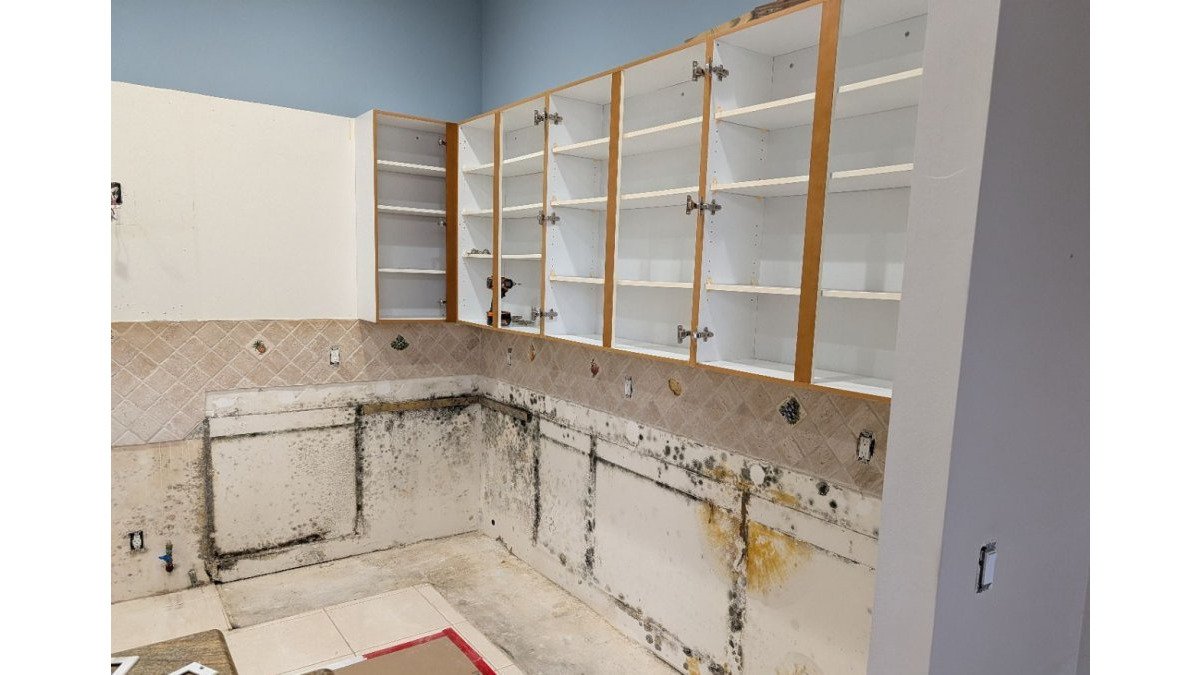
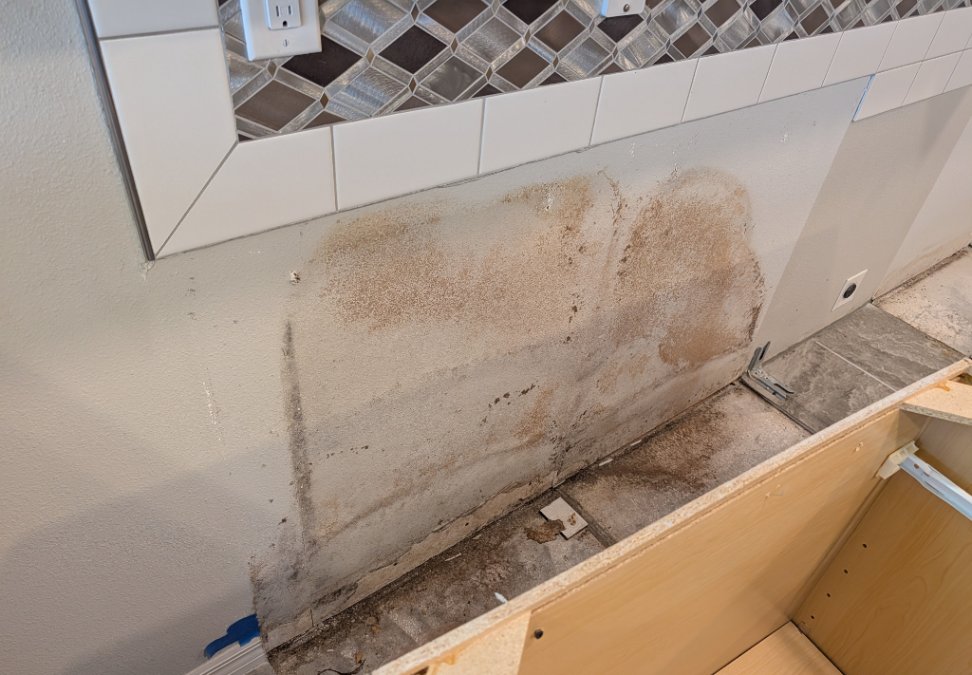
Visible microbial growth can appear in many colors and forms on drywall, wood, insulation, and other building materials. A persistent musty odor can also indicate excess moisture or microbial growth even when the source is not immediately visible.
Moisture problems frequently precede visible mold. Discoloration, peeling paint, warped drywall, or soft wood suggest water intrusion. Window condensation indicates elevated humidity. Crawlspaces with standing water, damp insulation, or rust point to conditions supporting mold growth.
Sustained elevated indoor humidity can create conditions favorable for microbial growth, particularly when building materials or surfaces remain damp. Florida's warm, humid climate makes indoor moisture control especially important. Properly operating HVAC equipment, appropriate ventilation, leak prevention, and dehumidification when needed can help control indoor moisture.
Understanding the Mold Testing Process
Visual Inspection and Moisture Assessment
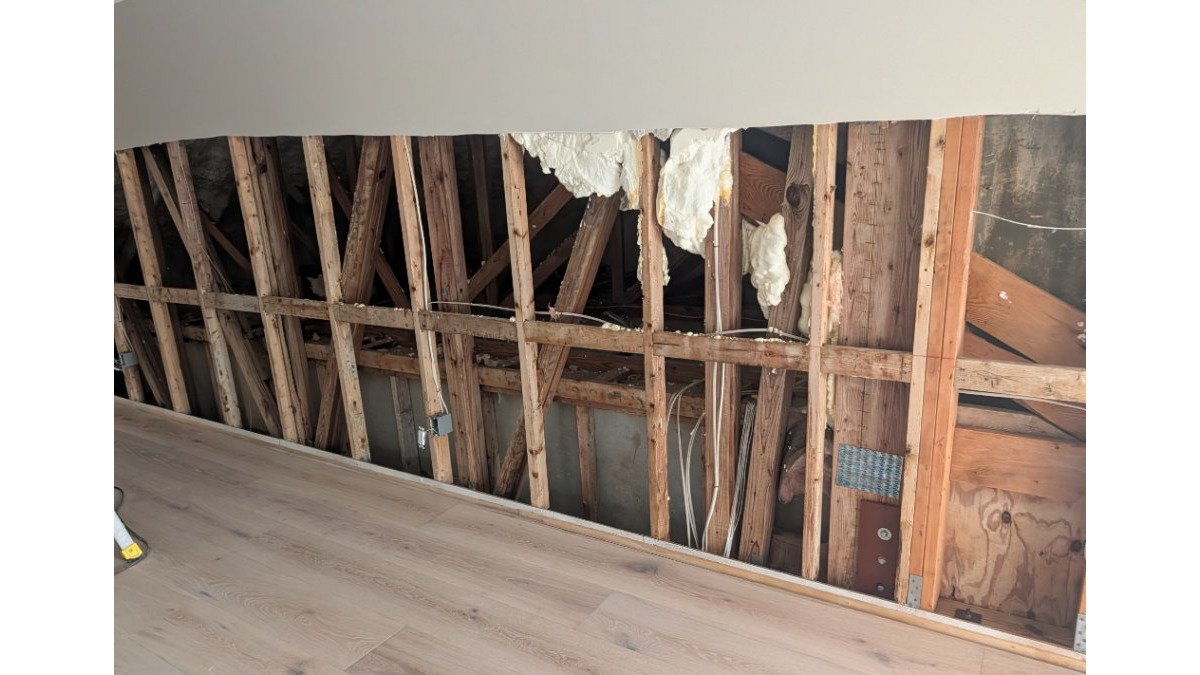
A professional inspection begins with a thorough walkthrough, examining visible mold, water stains, soft materials, and moisture accumulation. Crawlspaces and attics receive particular attention because they're prone to moisture problems and often go unmonitored.
Moisture detection is central to the inspection. Moisture meters can help evaluate moisture conditions in building materials, while thermal imaging can identify temperature patterns that may warrant further investigation. Thermal imaging does not directly detect mold or moisture, so suspected conditions should be verified using appropriate inspection methods.
The inspector also assesses HVAC systems, ductwork, and ventilation. Mold can grow inside air ducts and on cooling coils if condensation isn't properly managed, and inadequate ventilation in bathrooms or kitchens allows moisture to accumulate.
Visual Inspection vs. Air Sampling: Understanding the Difference
Many homeowners assume that mold inspection automatically includes air sampling, or that air sampling is required before remediation can begin. In practice, these are two distinct services that serve different purposes, and understanding the difference can save time and money.
Visual inspection identifies where mold is growing, what materials are affected, and what moisture conditions are driving growth. This information is often sufficient to determine whether remediation is needed and what approach is appropriate.
Air sampling collects spore particles from the air inside the property and compares them with outdoor samples. A laboratory analyzes the samples and reports spore counts and types. This is a separate service, not automatically required or included with every inspection.
Air sampling may provide useful additional information when conditions are unclear, documentation is needed, or post-remediation conditions are being evaluated. When visible microbial growth and the affected materials are already clearly identified, pre-remediation air sampling may not provide information that changes the remediation decision or scope.
Why Store-Bought Testing Kits Often Fall Short
DIY mold testing kits have significant limitations. Sampling methods and locations may not adequately represent conditions throughout a property, and results can be difficult to interpret without visual observations, moisture data, and building history. When formal documentation is needed for an insurance, real-estate, or remediation decision, professionally collected and interpreted information may be more useful.
A professional inspection, visual assessment combined with moisture detection and, when appropriate, air sampling, provides the information and documentation needed to make informed decisions and move forward with confidence.
Air Sampling and Laboratory Analysis
When air sampling is performed as part of a professional inspection, samples are collected from inside the property and compared with outdoor samples. The laboratory analyzes spore counts and identifies spore types. Results are interpreted alongside visual findings, moisture readings, building history, and occupancy patterns, not in isolation.
Air sampling alone does not prove the presence, absence, source, or exact location of mold growth. A sample collected in one room reflects conditions at that moment in that specific location. It does not definitively show whether remediation is necessary, what materials must be removed, or how extensive containment should be. Results are one piece of information used with other observations to guide decisions.
Pre-remediation testing is not automatically required. If visible mold is extensive or affects porous materials like drywall or insulation, visual inspection and moisture assessment often provide sufficient information to proceed. Testing may be helpful in cases where the scope is unclear or when documenting conditions for insurance purposes, but it's not a universal prerequisite.
Hiring a Licensed Mold Professional
Florida regulates mold assessment and mold remediation as separate licensed activities through the Department of Business and Professional Regulation (DBPR). A mold assessor performs mold assessment services, while a mold remediator performs mold remediation. Property owners should verify that the professional they hire holds the appropriate Florida license for the services being provided.
When selecting a mold professional, verify the appropriate Florida license and ask about experience with properties and conditions similar to yours. A qualified professional should clearly explain what services are being provided, what was observed, whether additional evaluation or testing is appropriate, and what next steps are recommended.
Get written proposals from licensed professionals. Compare what's included in each scope of work. Be cautious of quotes that seem unusually low or unusually high; they may indicate a misunderstanding of the actual problem. JLX Environmental, a licensed mold remediation company serving the Treasure Coast and Space Coast, offers a Quote-Beat Guarantee: we will beat a comparable written mold-remediation quote from another Florida-licensed mold remediator by at least 10%.
Professional Inspection Reports and Insurance Documentation
One of the most practical reasons to hire a licensed professional is the inspection report itself. A detailed, professional report serves multiple purposes beyond simply identifying mold, it becomes critical documentation if you need to file an insurance claim or pursue remediation.
What a professional report includes:
- Photographs of visible mold, moisture damage, and affected areas
- Moisture meter readings from specific locations
- Detailed description of the scope: which materials are affected, which areas show moisture intrusion, which systems (HVAC, plumbing, roof) may be contributing
- Assessment of moisture sources and conditions that support mold growth
- Recommendations for remediation or further evaluation
- If air sampling was performed, laboratory results and interpretation
- Inspector credentials, license number, and company contact information
Insurance Documentation
Insurance coverage for mold and moisture-related damage varies significantly by policy, carrier, endorsements, exclusions, coverage limits, and the cause of the loss. Professional documentation may provide useful information about observed conditions, affected areas, moisture readings, photographs, and laboratory results when testing is performed.
Property owners should provide relevant documentation to their insurance carrier or adjuster and allow the carrier to determine coverage under the specific policy. A mold professional can document observed conditions but should not determine whether a loss is covered by an insurance policy.
Post-Remediation Verification: Confirming the Work
After JLX Environmental completes an interior mold remediation project, we perform post-remediation air testing and submit the samples to an independent laboratory for analysis. Laboratory results are evaluated alongside visual observations and site conditions to help verify the effectiveness of the remediation work. For crawlspace and attic remediation projects, verification is visual and condition-based.
Florida-Specific Humidity and Moisture Control
Florida's warm, humid climate makes moisture control especially important. Indoor humidity can rise because of HVAC problems, air leakage, inadequate ventilation, plumbing or roof leaks, condensation, and other moisture sources. Properly operating air conditioning, appropriate ventilation, drainage, leak correction, and dehumidification when needed can help keep indoor conditions less favorable for microbial growth.
Moisture control should be based on the conditions in the individual property rather than assuming every Florida home requires the same solution. Persistent condensation, elevated indoor humidity, recurring musty odors, or repeated microbial growth can indicate an underlying moisture condition that should be investigated.
Frequently Asked Questions
What is the difference between a mold inspection and mold testing?
A mold inspection is a visual and condition-based assessment where a professional examines your property for visible mold, moisture sources, and areas prone to growth. Mold testing, or air sampling, involves collecting air samples that are sent to a laboratory for analysis. Air sampling provides information about spore types and levels but is one part of the overall evaluation—not a standalone diagnostic tool. Many properties benefit from visual inspection alone, while others may warrant air sampling depending on the situation and your concerns.
When should I consider a professional mold inspection?
You should consider professional mold inspection if you notice visible mold growth, a persistent musty odor, recent water intrusion, high indoor humidity, or if you're buying or selling a property and want to understand its condition. If you've had previous mold issues or suspect hidden growth in walls or crawlspaces, professional evaluation helps identify the extent and moisture sources. A licensed professional can distinguish between what needs immediate attention and what warrants monitoring.
What happens during post-remediation verification?
After mold remediation work is completed, post-remediation verification involves air testing to evaluate indoor conditions following the cleanup. Samples are submitted to a laboratory for analysis. Results are reviewed alongside visual observations and moisture assessments to evaluate whether remediation addressed the identified issues. Laboratory findings provide information used with site conditions to determine the property's status, though results are interpreted as one part of the overall assessment rather than a guarantee of future conditions.
Why should I hire a qualified mold professional instead of handling it myself?
Mold professionals have training, equipment, and experience to evaluate moisture conditions, affected materials, containment needs, HVAC interactions, and other factors that can affect mold-related work. In Florida, mold assessment and mold remediation are separately regulated activities, so property owners should verify that the professional holds the appropriate license for the service being provided. Professional documentation can also be useful for remediation planning, property transactions, or insurance-related documentation.