Table of Contents
- Mold Remediation Near Me: How to Find the Right Help
- What Local Mold Remediation Actually Involves
- Signs You Need Professional Mold Removal
- Mold Testing Services: What They Tell You (and What They Don't)
- The Professional Mold Remediation Process, Step by Step
- How to Read a Mold Remediation Quote
- DIY vs. Professional Mold Remediation: Where the Line Is
- Post-Remediation Verification: How You Know the Work Is Done
- Insurance, Licensing, and Questions to Ask Before You Hire
- Frequently Asked Questions
Last Updated: September 13, 2026
Mold Remediation Near Me: How to Find the Right Help
Searching for mold remediation near me usually means you have already found something you cannot explain: a stain that keeps returning, a musty odor that survives every cleaning attempt, or visible growth behind a baseboard. Mold remediation is the process of physically removing fungal growth and the contaminated materials it has colonized, then addressing the moisture conditions that allowed it to grow. At JLX Environmental, we handle licensed mold remediation and testing across Florida's Treasure Coast and Space Coast, and we see the same pattern constantly: homeowners treat the symptom, the smell returns, and the real problem was never the mold itself.
Here is what matters most. Remediation is not cleaning. Cleaning removes what you can see. Remediation addresses affected materials and fungal growth within the defined scope. The moisture condition contributing to the problem must also be identified and corrected by the appropriate trade when that work falls outside the remediation scope.
Below, we break down what local remediation involves, how to read a quote, and where the line sits between DIY cleanup and calling a professional.
What Local Mold Remediation Actually Involves
Professional mold remediation should be based on the specific conditions found at the property and a clearly defined scope of work rather than a one-size-fits-all process.
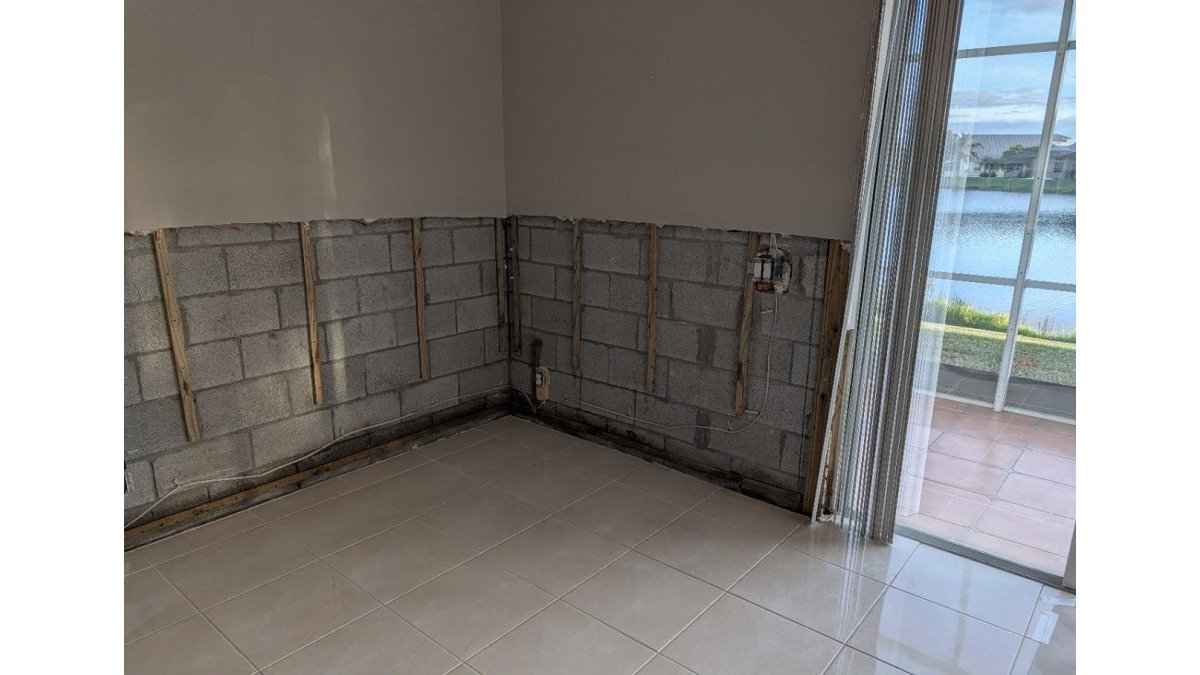
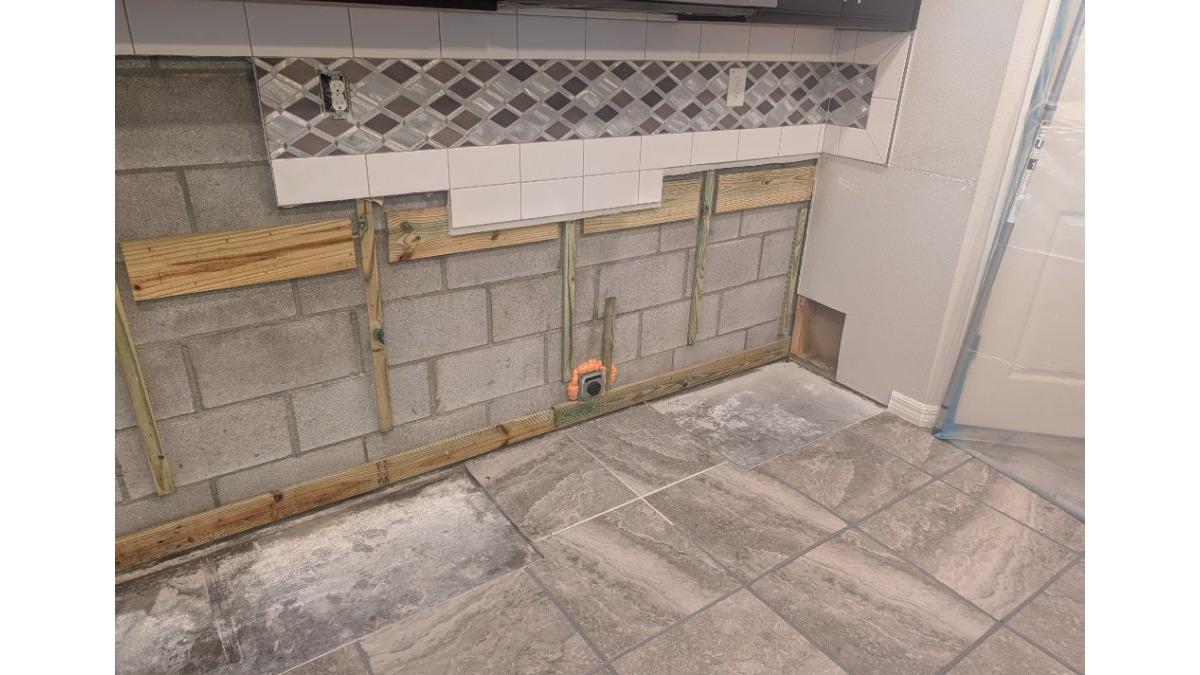
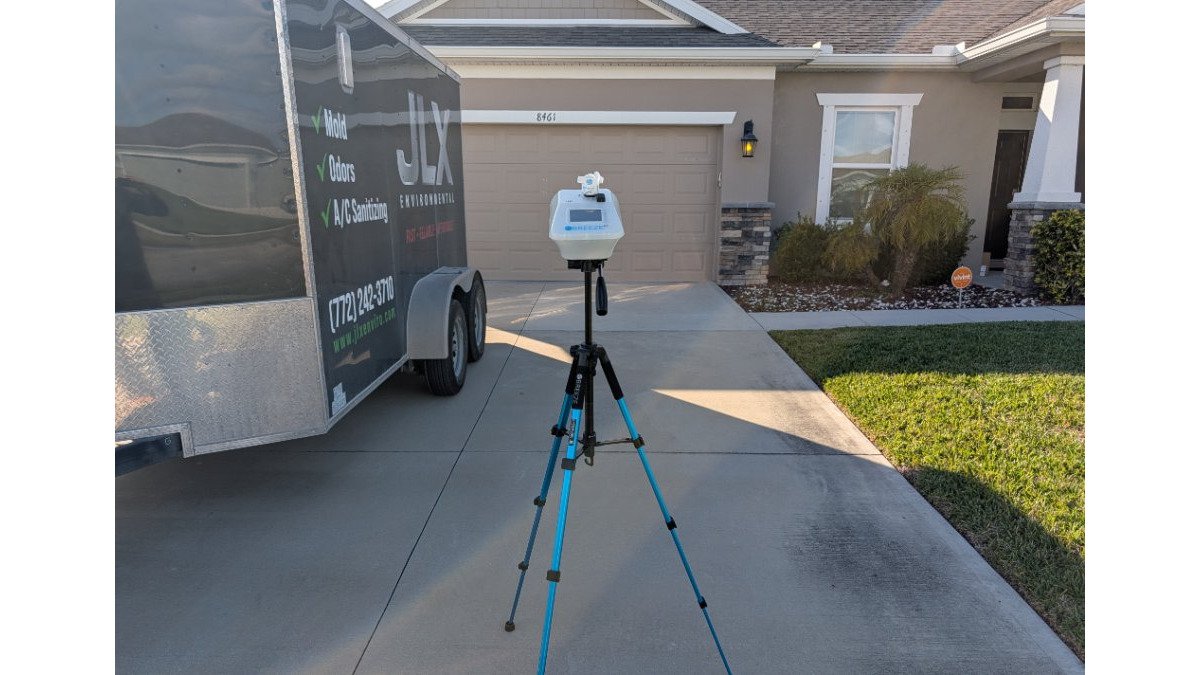
The work generally includes assessing the extent of growth, establishing containment so debris does not spread to unaffected rooms, removing porous materials that cannot be cleaned, and treating structural surfaces. After remediation, JLX Environmental performs post-remediation air testing and submits samples to a laboratory for analysis, so results are documented rather than assumed.
The scope should be written down before work starts. If a provider cannot tell you what is being removed and why, that is your first warning sign.
Signs You Need Professional Mold Removal
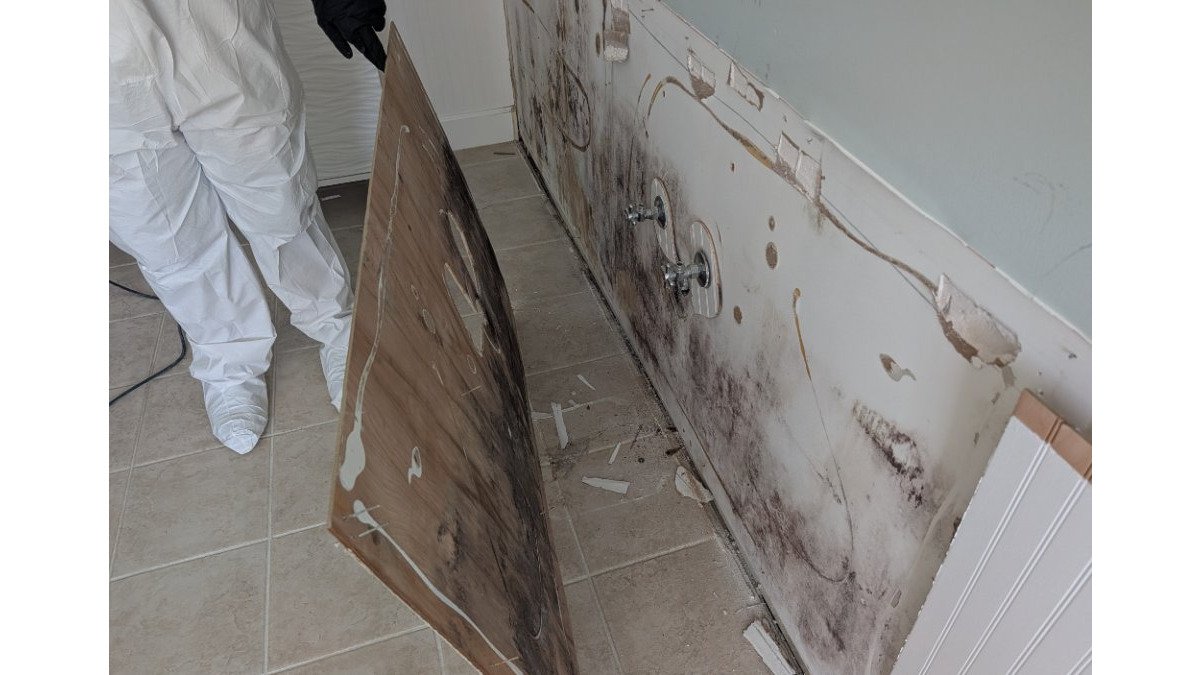
Professional mold removal is warranted when growth covers more than a small patch, returns after cleaning, or when you can smell it but cannot see it (the EPA). Those situations point to moisture inside a wall, ceiling, or crawlspace that surface cleaning cannot reach.
Watch for these indicators:
- Visible growth affecting more than a small, isolated, readily accessible surface area
- A musty odor that persists after ventilation and cleaning
- Staining or bubbling paint on walls and ceilings
- Warped or soft flooring near a fixture or exterior wall
- Previous moisture events where materials were never fully dried
- Growth in a crawlspace, attic, or HVAC-adjacent area
One caveat: not every discoloration is mold. Testing exists to answer that question rather than guess at it.
Mold Testing Services: What They Tell You (and What They Don't)
Mold testing services identify what is present in a sample and, for air samples, provide a laboratory analysis of what was captured (the CDC). Testing tells you whether spores are present, what types were identified, and how the sample compares to conditions elsewhere in the building. It does not tell you the source, whether a wall cavity is wet, or the scope of remediation, those answers come from a physical assessment. Testing is often sold as the first step when it is really a supporting step. The lab report is information used to evaluate conditions, not a verdict on your property.
When Testing Makes Sense vs. When It's Overkill
Testing may be useful when there is an unexplained odor or concern without visible growth, when documentation is needed for a real estate transaction, when objective laboratory information would help evaluate conditions, or when post-remediation testing is appropriate.
Testing is usually overkill when growth is plainly visible and the source is obvious, such as a supply line leaking onto drywall. There, the scope is defined by what you can see, and a lab report mostly adds cost.
If you are unsure which situation you are in, ask a licensed provider to explain the reasoning rather than defaulting to the more expensive option. Health questions about mold exposure should go to a qualified healthcare professional, not a remediation contractor.
The Professional Mold Remediation Process, Step by Step
Professional mold remediation generally follows a planned sequence based on the conditions and materials involved. Depending on the project, that may include evaluation, containment, removal of affected materials, cleaning, HEPA filtration, and post-remediation evaluation or testing.
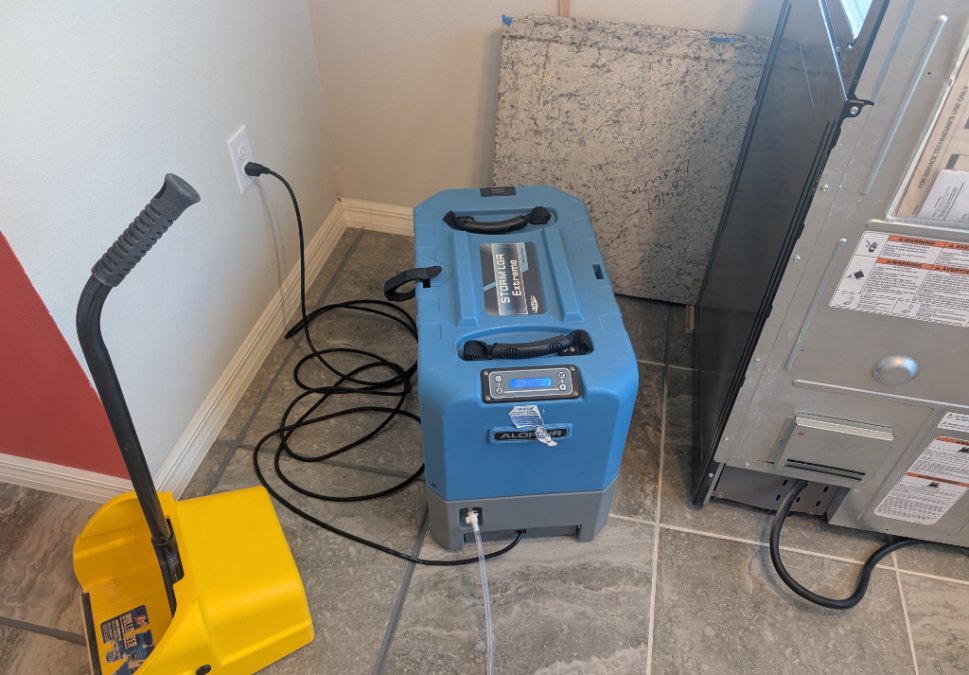
A typical sequence includes:
- Assessment. A licensed remediator evaluates the affected area and identifies likely moisture sources.
- Scope definition. The written scope states what will be removed, treated, and verified.
- Containment. The work area is isolated so debris and spores do not migrate to clean rooms.
- Removal. Contaminated porous materials are removed; structural surfaces are cleaned.
- HEPA filtration. Air scrubbers with HEPA filtration run during the work to capture airborne particles (the EPA).
- Verification. Post-remediation air testing is performed and samples are submitted to a laboratory for analysis.
Customers who prefer an independent third-party verifier may choose one, a legitimate option, not a requirement.
How the Moisture Source Fits Into the Scope
Remediation removes growth. It does not fix the leak, drainage problem, or plumbing failure that created it, the most misunderstood part of the process.
If the moisture source is not corrected, growth will return regardless of how well the remediation was performed. JLX Environmental does not perform plumbing, roofing, leak repair, or structural repairs. When we identify a moisture source, the scope documents it so the appropriate trade can address it.
How to Read a Mold Remediation Quote
A mold remediation quote should state the scope of work, the affected areas, what will be removed, and how the work will be verified. If any of those are missing, you are comparing guesses rather than quotes.
Ask for the quote in writing. Then compare line by line rather than by bottom-line number. Two quotes can land on similar totals while describing very different jobs, and the cheaper one is often cheaper because it covers less.
The Line Items That Actually Matter
Most written quotes break down into the same handful of categories. Knowing what each represents lets you spot a thin scope before you sign.
Quote Element | What Good Looks Like | Red Flag |
|---|---|---|
Scope of work | Names specific areas and materials | Vague "treat affected areas" |
Containment | Described in the plan | Not mentioned |
Removal vs. cleaning | States which materials are removed and which are cleaned in place | Treats everything the same way |
Verification | Post-remediation testing stated | "You'll be able to tell" |
Moisture source | Identified or noted for referral | Ignored entirely |
Licensing | Florida licensed remediator number | No license provided |
A single lump sum with no breakdown gives you nothing to compare against. Ask for the scope in writing before you decide.
Why Two Quotes for the Same Room Can Differ Sharply
Scope is the variable, not the hourly rate. A quote that assumes growth is limited to the surface of drywall describes a smaller job than one that assumes the drywall and insulation behind it are affected. Until someone opens the wall or assesses the cavity, both are educated assumptions.
That is why a written scope should say what happens if conditions turn out worse than the assessment suggested. A reputable provider will describe how scope adjustments are handled before work starts, not after.
What Drives Cost Up or Down
Pricing depends on the size of the affected area, how many rooms are involved, what materials must be removed, whether crawlspace or attic work is needed, and how much verification is included. Access matters too. A contained bathroom is a different job than a crawlspace with limited entry.
Because those variables shift so much from property to property, we do not publish flat rates. We provide a written quote after assessing your specific conditions. You can review current details on our website.
JLX Environmental offers a Quote-Beat Guarantee: we will beat a comparable written mold-remediation quote from another Florida-licensed mold remediator by at least 10%. The word comparable matters. A quote for a smaller scope is not comparable to a larger one, and we will tell you that plainly.
Questions That Expose a Thin Quote
- Does the scope name each affected area, or does it say "affected areas"?
- Does it state which materials will be removed versus cleaned in place?
- Does it describe containment?
- Does it describe how the work will be verified after completion?
- Does it note the moisture source and who is responsible for correcting it?
- Does it explain how the scope changes if conditions are worse than expected?
A provider who answers those directly is worth considering. One who deflects is not.
DIY vs. Professional Mold Remediation: Where the Line Is
DIY mold cleanup is reasonable for small, visible surface growth on non-porous materials where the moisture source is obvious and already corrected, for example, a patch on a bathroom tile joint after a known humidity problem.
Professional remediation is the right call when growth is larger than a small patch, when it is inside a wall, ceiling, or crawlspace, when porous materials like drywall or insulation are affected, when odor persists without visible growth, or when the moisture source has not been identified.
The threshold is not just size. It is reachability and whether contamination has moved into materials you cannot clean.
Post-Remediation Verification: How You Know the Work Is Done
Post-remediation verification documents conditions after the work is complete rather than asking you to take it on faith. Following remediation, JLX Environmental performs post-remediation air testing and submits samples to a laboratory for analysis.
The lab results are information used to evaluate conditions following remediation. They are not a declaration that a property is mold-free. Mold is a living organism, and future moisture events can create future growth.
For crawlspaces and attics, JLX Environmental does not perform air sampling or post-remediation air testing. Verification in those spaces is handled through visual and condition-based evaluation instead.
If you want an independent third-party verifier, you are free to bring one in. Some property owners prefer that, particularly in real estate transactions.
Insurance, Licensing, and Questions to Ask Before You Hire
Insurance coverage for mold remediation varies by policy and circumstance. Some policies cover remediation when it results from a covered peril; others exclude mold entirely or cap it. We cannot tell you what your policy covers, and neither can any other contractor. Review your policy and speak with your insurer or adjuster before assuming anything.
What we can tell you is how to document conditions so that conversation goes better.
How to Document Conditions for an Insurance Conversation
Most claim friction comes from thin documentation, not the loss itself. Before you call your insurer or adjuster, gather the following:
- Photographs with context. Wide shots that show the room, then close shots of the growth or staining. Include something for scale where you can.
- Dates. When you first noticed it, when you first saw visible growth, and when you last had a known moisture event in that area.
- A written timeline. A short paragraph describing what you observed and when is more useful to an adjuster than a folder of unlabeled photos.
- Any prior repair records. If a plumber, roofer, or HVAC technician worked on the area, that paperwork helps establish the sequence of events.
- A written scope from a licensed remediator. A quote that names affected areas and materials gives the adjuster something concrete to evaluate.
If you intend to pursue an insurance claim, consider contacting your insurer or adjuster early so you understand any documentation or inspection requirements under your particular policy.
Pro Tip: If an insurance claim may be involved, ask your insurer or adjuster what documentation they want preserved before affected materials are removed or discarded.
Verifying a License Before You Hire
Licensing is not optional. Florida licenses mold remediators, and you can verify a license number through the state. Ask for the license number in writing and check it yourself rather than taking a logo or truck wrap as proof.
JLX Environmental is led by Florida Licensed Mold Remediator Devon Morante (MRSR4624).
Questions to Ask Before You Hire
- What is your license number, and can I verify it?
- Will you provide a written scope before work begins?
- How is containment handled?
- Is post-remediation testing included, and who analyzes the samples?
- Can I choose an independent third-party verifier?
- Does your scope note the moisture source and who is responsible for correcting it?
- What happens if growth returns?
A provider who answers those directly is worth considering. One who deflects is not.
Frequently Asked Questions
How expensive is mold remediation?
There's no single price because cost depends on the size of the affected area, how far moisture has spread, what materials are involved, and whether the work is in an easy-to-reach space or a tight one like a crawlspace. JLX Environmental provides a written quote after evaluating your property and the specific scope of work. If you have a comparable written quote from another Florida-licensed mold remediator, JLX's Quote-Beat Guarantee means they'll beat it by at least 10%.
What's the difference between mold removal and mold remediation?
Mold removal suggests eliminating every spore, which isn't realistic in any building. Mold remediation is the practical process: containing the affected area, removing or cleaning impacted materials, addressing the moisture conditions that allowed growth, and evaluating the space afterward. That's why professionals talk about remediation, not removal. The goal is to bring the condition under control and reduce the source of the problem, not to promise a spore-free building.
How is post-remediation verification conducted?
After remediation, JLX Environmental performs post-remediation air testing and submits samples to a laboratory for analysis. Those results are used to evaluate conditions in the space following the work. Customers who want an additional layer of review may choose an independent third-party verifier, though that isn't required. Note that JLX does not perform air sampling or post-remediation air testing inside crawlspaces or attics; verification in those spaces is handled through visual and condition-based evaluation.
Why is addressing the moisture source critical before remediation?
Mold needs ongoing moisture to grow. If the underlying source, such as a slow leak, high humidity, or a drainage issue, isn't identified and corrected, growth can return after remediation. JLX does not perform plumbing, roofing, leak repair, or other repairs to correct the moisture source. The source must be addressed by the appropriate trade, and remediation is most effective when that work is planned or completed alongside it.