Table of Contents
- Understanding Mold Remediation in Palm Bay
- Mold Testing and Assessment: What It Involves
- The Remediation Process: From Assessment to Completion
- Choosing a Licensed Mold Remediator in Palm Bay
- Post-Remediation Verification and Air Testing
- Identifying Moisture Sources and Prevention
- What to Expect: Timeline and Scope Considerations
- Frequently Asked Questions
Last Updated: October 20, 2026
Understanding Mold Remediation in Palm Bay
Mold remediation Palm Bay isn't simply spraying a surface and hoping the problem disappears. It's a systematic process that identifies the source of moisture, contains affected areas, removes contaminated materials, and restores indoor conditions.
The challenge most homeowners face isn't recognizing visible mold, it's understanding why it keeps returning. Moisture drives mold growth, and without addressing the moisture source, surface cleaning or minor removal is a temporary fix.
Mold remediation in Palm Bay typically begins with a thorough assessment of affected areas, materials, and moisture conditions. The scope then depends on the extent of growth, the materials affected, and the building's configuration; some situations may require containment during removal, others may not.
Mold Testing and Assessment: What It Involves
Mold testing and assessment serve different purposes, though both can inform your remediation decisions.
Visual Inspection vs. Air Sampling
A visual inspection is the foundation of any mold evaluation. A licensed mold inspector examines visible surfaces, checks for discoloration, staining, or growth patterns, and evaluates moisture conditions throughout the property, identifying where mold is present, what materials are affected, and clues about why it's growing.
Air sampling, when performed, collects spore counts from indoor air and compares them to outdoor or baseline conditions.
Pre-remediation air testing is not automatically required or included with every mold remediation. If air testing is part of your assessment, discuss with your remediator how the results will be used to inform the remediation plan.
The Remediation Process: From Assessment to Completion
The remediation process begins after assessment and moves through containment, removal, and cleanup phases, each depending on the scope and complexity of the affected areas.
Containment and Work Scope
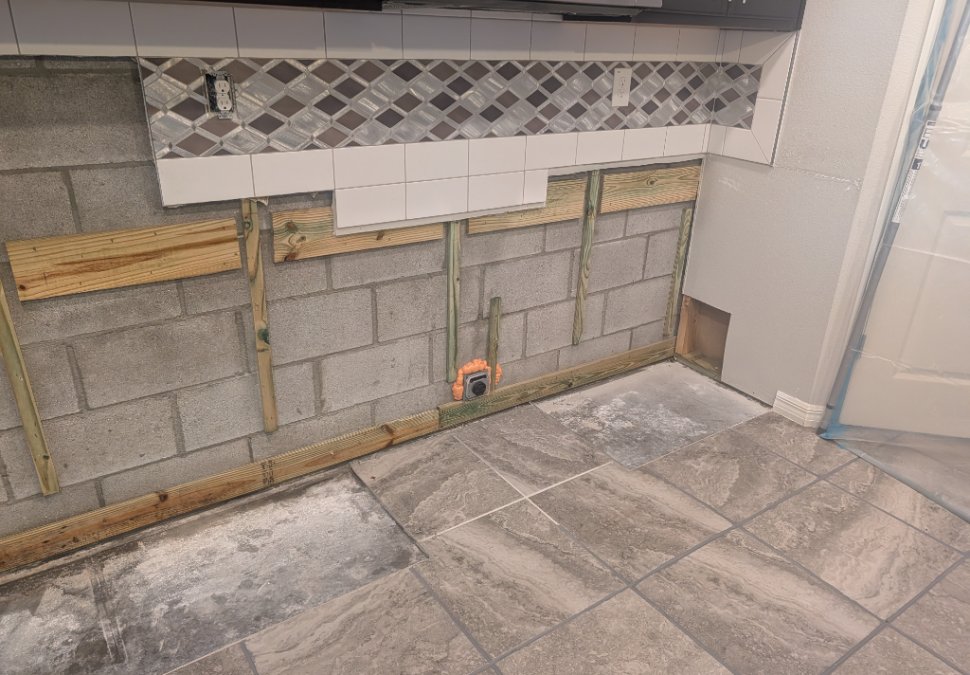
Containment during remediation depends on the materials affected, the extent of growth, the anticipated disturbance, the building's HVAC configuration, and site conditions. The approach, temporary barriers, negative pressure, or other methods, varies, and your remediator determines the appropriate level for the scope.
Containment protects the work area and the rest of the building, preventing spore disturbance during removal and helping maintain normal conditions in unaffected spaces. It's part of the remediation plan, not a universal requirement applied identically to every job.
Material Removal and Cleanup
Once containment is established, affected materials are removed, drywall, insulation, flooring, or other porous materials that cannot be effectively cleaned. Non-porous materials may be cleaned and retained, depending on the extent of growth and the assessment findings.
After removal, the area is cleaned thoroughly. HEPA vacuuming, surface cleaning, and other cleanup methods remove residual contamination. The cleaned surfaces are then prepared for restoration or reconstruction, which falls outside the scope of mold remediation services.
Choosing a Licensed Mold Remediator in Palm Bay
Most local results for this search list credentials as a bullet point. The more useful question is how to verify those credentials yourself and compare two written scopes side by side, because that is where most homeowner decisions go wrong.
How mold work is regulated here
Florida regulates mold-related work through the Department of Business and Professional Regulation (DBPR), which issues two distinct license types: mold assessor and mold remediator. An assessor evaluates conditions and develops a scope; a remediator performs the removal work.
You can verify a license through DBPR's public license lookup at Florida DBPR license search. Look up the business name and confirm the license type, status, and expiration date. A current, active license in the correct category is a baseline check, not a guarantee of quality, but an expired or missing license is a clear reason to keep looking.
What a written scope should contain
A proposal you can actually compare should state, at minimum:
- The specific areas and materials to be addressed, room by room or assembly by assembly
- How the scope was determined (visual assessment, moisture readings, sampling, or a combination)
- Whether containment is proposed and why, based on the conditions found
- What will be removed versus cleaned and retained
- How debris will be handled and how the work area will be cleaned
- Whether post-remediation verification is included and what form it takes
- What is explicitly excluded, such as source repairs or finish work
Two quotes that look similar on the bottom line can describe very different amounts of work. A lower proposal that omits containment, verification, or a defined removal list is not the same job as a higher one that includes them. Compare line by line, not total to total.
Assessment and remediation: same company or separate?
Florida regulates mold assessment and mold remediation as separate licensed activities. Under Florida's conflict-of-interest requirements, a licensed mold assessor and mold remediator generally cannot perform both services on the same project. This helps maintain independence between the professional evaluating the mold conditions and the company performing the remediation. When hiring a mold remediation company, verify its licensing and make sure the proposed work complies with Florida's requirements. A clearly defined scope of work should explain which materials need removal, what cleaning procedures are necessary, and how the completed work will be evaluated.
Questions worth asking
- Which DBPR license type do you hold, and what is the license number?
- How did you arrive at this scope, and what did you observe that drove it?
- What is included, and what is excluded?
- How will post-remediation conditions be evaluated?
- Can you walk me through a recent written scope so I understand the format?
JLX Environmental holds Florida mold remediation licensing and works from a condition-based scope: we evaluate the property, explain what we find, define the work the conditions call for, and perform the environmental services involved. If you have a comparable written mold-remediation quote from another Florida-licensed mold remediator, our Quote-Beat Guarantee means we will beat it by at least 10%. That applies to comparable remediation quotes only, not to unlicensed, non-comparable, or non-remediation proposals.
Post-Remediation Verification and Air Testing
After mold remediation is complete, post-remediation verification helps evaluate whether the affected areas have been properly cleaned and the remediation objectives have been met.
Verification may include visual inspection, moisture evaluation, and air sampling when appropriate. Air testing provides additional information about airborne mold spores, but laboratory results should be interpreted alongside the property's conditions and visual observations.
JLX Environmental includes post-remediation air testing as part of its standard remediation process where applicable. Homeowners who prefer independent third-party verification may arrange for a separate licensed professional to perform that assessment. Independent verification is available upon request but is not automatically required.
Note: JLX Environmental does not perform air sampling inside attics or crawlspaces. Verification in those areas is visual and condition-based.
Identifying Moisture Sources and Prevention
Removal without source correction is the most common reason mold comes back. The practical value is in understanding how moisture is located, who fixes what, and how to keep conditions from drifting back toward growth.
How moisture sources are actually found
A visual walkthrough catches the obvious cases: staining on ceilings below a roof, discoloration at the base of a wall, bubbling paint, or a musty area near a bathroom. Less obvious cases require measurement. Moisture meters read the water content of building materials and can show where a problem is wetter than its surroundings even when no growth is visible; thermal imaging can reveal temperature differences suggesting trapped moisture behind a surface. Neither tool proves mold is present; both help locate conditions that support it.
Common sources fall into a few families:
- Roof and flashing failures, water entering at penetrations, valleys, or worn flashing and traveling along framing before it shows on a ceiling.
- Plumbing leaks, supply or drain leaks inside walls, under cabinets, or in slabs, often slow and long-running before detection.
- Foundation and grading, water pooling against the foundation, negative grade, or failed downspouts directing water back toward the house.
- Condensation, warm, humid air meeting cool surfaces in bathrooms, on ductwork, or in crawlspaces and attics.
- HVAC issues, clogged condensate drains, oversized systems that short-cycle and leave humidity high, or duct leakage pulling humid air into conditioned space.
Who fixes what
This is where expectations often get crossed. A mold remediator identifies moisture conditions and removes affected materials, but the repair itself, roofing, plumbing, grading, or HVAC service, is performed by the appropriate licensed trade. Those repairs are separate from remediation and should be scheduled so the source is corrected before or alongside the removal work. If the source stays active, new growth is a matter of time regardless of how well the removal was done.
Preventing recurrence
Prevention is mostly about keeping moisture from accumulating and catching problems early:
- Keep gutters clear and confirm downspouts discharge well away from the foundation.
- Maintain grading that slopes away from the house rather than toward it.
- Run bathroom and kitchen exhaust fans during and after use to move humid air outside.
- Watch for condensation on windows, ducts, and cold surfaces, which signals indoor humidity is running high.
- Address plumbing drips and slow leaks promptly rather than waiting for visible damage.
- In crawlspaces and attics, monitor for damp conditions and blocked ventilation.
A moisture meter used periodically in suspect areas can catch a slow leak before it becomes a removal project. The goal is not a perfectly dry house, it is keeping materials from staying wet long enough to support growth.
JLX Environmental offers crawlspace and attic treatment, along with whole-home leak protection systems that use water leak detection sensors and an electronic automatic shutoff valve. These systems can help detect leaks and automatically shut off the water supply to limit potential water damage. Moisture source identification is also part of our evaluation process, while plumbing, roofing, and other repairs are handled by the appropriate trades. You can learn more about our services through JLX mold remediation and JLX mold testing.
What to Expect: Timeline and Scope Considerations
The timeline for mold remediation varies based on the scope and complexity of the affected areas. A small, localized remediation may take one to three days.
Scope considerations include the materials affected, the extent of growth, whether containment is necessary, and whether post-remediation verification is included.
Consideration | Impact on Timeline | Impact on Scope |
|---|---|---|
Extent of visible mold | Larger areas take longer | More materials to remove |
Materials affected | Porous materials require removal; non-porous may be cleaned | Complexity of removal work |
Containment needs | Containment setup adds time | Determines work procedures |
Post-remediation verification | Air testing adds 1-2 days | Additional cost and timeline |
Moisture source repair | Outside remediation scope | Requires separate contractor |
Expect communication throughout the process. A professional remediator explains findings, discusses the plan, and answers your questions before work begins. After remediation, you'll receive documentation of the work performed and any post-remediation test results.
Mold in your home deserves a straightforward, professional response. When you're ready to move forward, JLX Environmental is here to help.
Frequently Asked Questions
What is the difference between mold testing and mold remediation?
Mold testing involves collecting air or material samples to assess conditions, while mold remediation is the actual removal and cleanup of mold growth and contaminated materials. Testing may inform remediation scope, but visible mold doesn't automatically require air sampling before work begins. A licensed mold remediator can evaluate your property and recommend the appropriate approach based on what is visible and the moisture conditions present.
How do I choose a licensed mold remediator in Palm Bay?
Look for a Florida-licensed mold remediator with credentials clearly stated. Verify their licensing through the state, ask for references, and request a detailed written scope of work. Compare quotes from multiple licensed providers, and ask about their approach to containment, materials removal, and post-remediation verification. A reputable contractor will explain their process clearly and address your specific concerns without pressure or scare tactics.
What should I expect during post-remediation verification?
Post-remediation verification evaluates whether the affected areas have been properly cleaned and the remediation objectives have been met. This may involve visual inspection, moisture evaluation, and air sampling when appropriate. JLX Environmental performs post-remediation air testing as part of its standard process where applicable, while attic and crawlspace verification is visual and condition-based. Homeowners may also request an independent licensed professional to perform third-party verification. Test results are interpreted alongside the property's conditions and do not guarantee that mold will never return.
How long does mold remediation usually take?
Mold remediation timelines depend on the extent of growth, affected materials, containment requirements, and the complexity of the work. Smaller, localized remediation projects may take approximately one to three days, while larger projects involving extensive material removal or complicated moisture conditions may take longer. Your licensed mold remediator can provide a more accurate timeline after evaluating the property. Additional factors, including occupancy, HVAC configuration, moisture source repairs, and post-remediation verification, may also affect the overall schedule.