Table of Contents
- What Mold Remediation in Port St Lucie FL Actually Involves
- How to Choose a Licensed Mold Remediator
- Mold Remediation Quote Requirements: What a Written Quote Should Include
- The Post-Remediation Verification Process, Step by Step
- DIY vs. Professional Remediation: Where the Line Falls
- Insurance, Paperwork, and What to Ask Your Adjuster
- Conclusion
- Frequently Asked Questions
Last Updated: September 13, 2026
What Mold Remediation in Port St Lucie FL Actually Involves
Mold remediation is the process of containing, removing, and cleaning up fungal growth and the conditions that allowed it, then evaluating the space afterward. In Port St Lucie, coastal humidity makes that process less about the visible stain on drywall and more about the moisture feeding it.
This guide from JLX Environmental covers what a legitimate mold remediation project looks like, how to choose a licensed mold remediator, what belongs in a written quote, how post-remediation verification works, and where DIY stops making sense.
Why the Moisture Source Has to Be Addressed First
Fungal growth needs organic material, warmth, and moisture. Two are constants in a Florida home; moisture is the variable you can control, which is why identifying its source comes before remediation work begins.
That source might be a slow plumbing drip, a roof intrusion, condensation on ductwork, or exterior water finding its way into a crawlspace. The U.S. Environmental Protection Agency's mold guidance frames it the same way: fix the water problem first, or the mold comes back.
JLX Environmental does not perform plumbing, roofing, leak repair, or repairs that correct an underlying moisture source; that work belongs to the appropriate trade. JLX identifies what it finds during evaluation and defines the remediation scope separately from the repair work someone else handles.
How to Choose a Licensed Mold Remediator
Choosing a licensed mold remediator means verifying three things before you sign: state licensing, insurance, and whether the company's process is condition-based rather than sales-driven.
In Florida, mold remediation is a licensed activity regulated under Florida Statutes Chapter 468, Part XVI. The license number should be something you can look up, not something you take on faith.
Ask these questions before hiring anyone:
- What is your Florida mold remediator license number?
- Are you insured, and can I see proof?
- Will the scope of work be written out before work starts?
- Do you test after remediation, and who analyzes the samples?
- Who on your team performs the work, and what are their qualifications?
JLX Environmental is led by Florida Licensed Mold Remediator Devon Morante (MRSR4624), and its approach is to evaluate the problem, explain what it finds, and define the scope of work without pushing services the property does not need.
| What to Verify | Why It Matters | Where to Check |
|---|---|---|
| State license number | Confirms legal authority to remediate | Florida DBPR license lookup |
| Insurance coverage | Protects you if something goes wrong | Certificate of insurance |
| Written scope of work | Prevents scope creep and disputes | Your quote document |
| Post-work evaluation | Confirms the work did what it claimed | Lab report from the remediator |
Mold Remediation Quote Requirements: What a Written Quote Should Include
A written mold remediation quote should spell out the scope of work, areas covered, methods proposed, and what happens after the work is done. A number on a napkin is not a quote.
When you compare proposals, line them up against the same categories so you are comparing like with like:
- Scope boundaries: Which rooms, cavities, or assemblies are included, and which are excluded
- Containment approach: How the work area will be isolated from the rest of the home
- Removal and cleaning methods: What gets removed versus cleaned in place
- Disposal: How removed materials leave the property
- Post-work evaluation: Whether air testing is included and where samples are sent
- Exclusions: What the remediator is not doing, especially moisture-source repairs
The last item matters more than most homeowners expect. A quote that does not state exclusions invites arguments later.
JLX Environmental's Quote-Beat Guarantee applies to comparable written mold-remediation quotes from another Florida-licensed mold remediator, and JLX will beat a qualifying quote by at least 10%.
The Post-Remediation Verification Process, Step by Step
Post-remediation verification documents what conditions look like after the work is complete. It is not a guarantee that mold will never return, and it is not a declaration that a property is mold-free.
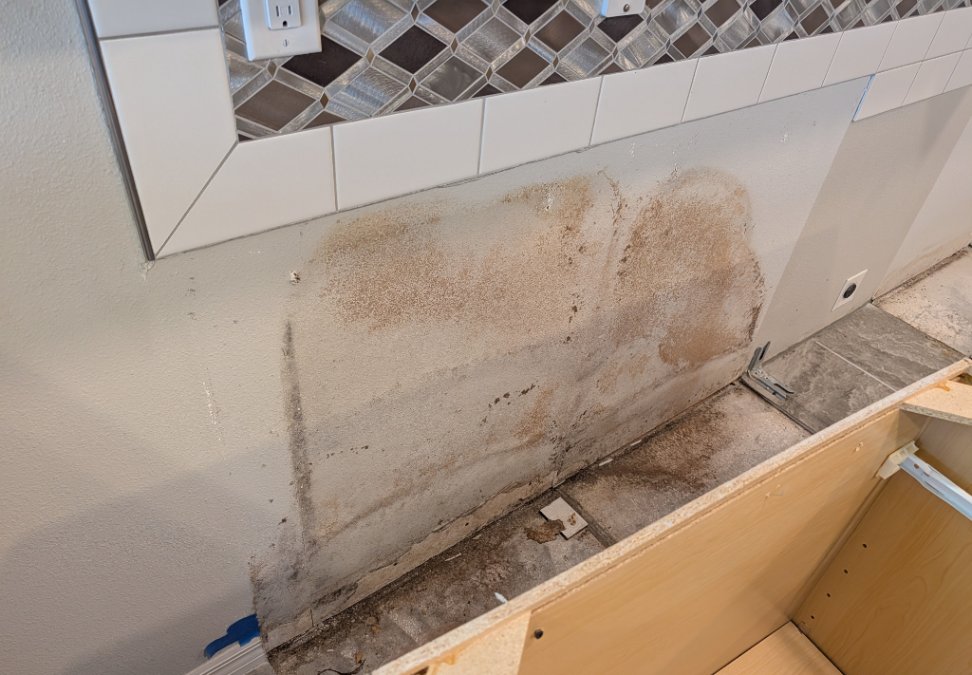
Here is how the process typically unfolds:
- Visual inspection of the work area. The remediator confirms containment is intact, removed materials are gone, and surfaces are visually clean.
- Air sampling. JLX Environmental performs post-remediation air testing after its remediation work and submits samples to a laboratory for analysis.
- Laboratory analysis. The lab reports what the samples contained, and those results are used to evaluate conditions following remediation.
- Review of results. The customer receives the findings and can ask questions about what they mean.
- Independent verification, if desired. Customers may choose an independent third-party verifier if they prefer. That option exists, though it is not required.
One clarification worth stating plainly: JLX does not perform air sampling or post-remediation air testing inside crawlspaces or attics. In those spaces, evaluation stays visual and condition-based.
DIY vs. Professional Remediation: Where the Line Falls
The better question is whether the affected material is porous, whether the moisture source has been corrected, and whether the work can be done without spreading spores into unaffected rooms.
The CDC's guidance on mold cleanup draws a similar line for limited areas: small amounts on hard surfaces are often manageable with household cleaning, while larger or hidden growth calls for professional help. The EPA's mold guidance makes the same point from the moisture side, if the water problem is not fixed, cleanup is temporary.
The Material Test
Hard, non-porous surfaces, tile, glass, metal, sealed concrete, painted trim in good condition, can often be cleaned. Porous materials absorb and hold moisture. Once growth has moved into drywall paper, ceiling tile, carpet backing, carpet pad, insulation, or the wood framing behind a wall, surface cleaning does not reach what is inside; those items generally need to be removed rather than wiped.
The Moisture Test
If you have not identified where the water is coming from, stop. Cleaning visible growth while an active moisture source feeds the area is a cycle, not a fix. Common sources in this region include:
- A slow supply-line or drain leak under a sink or behind a refrigerator
- A roof or flashing intrusion that only shows up during heavy rain
- Condensation on ductwork in a vented attic
- Exterior water tracking into a crawlspace
- A washing machine or water heater connection that seeps intermittently
Some are obvious, others are not. Correcting the source is a separate trade, plumbing, roofing, or exterior drainage, and that work has to happen for any cleanup to hold.
The Containment Test
Cleaning a patch of growth on a bathroom wall is one thing; cleaning growth inside a wall cavity is another, because opening the cavity can release spores into the rest of the house. Professional remediation uses containment and controlled removal so the rest of the building is not exposed. If you cannot isolate the work area from the rest of the home, the job has moved past what a homeowner should take on.
A Practical Decision List
Professional remediation is generally the right call when any of these apply:
- Growth is inside a wall cavity, under flooring, above a ceiling, or in an attic or crawlspace
- Porous materials like drywall, insulation, or carpet are involved
- A musty odor persists after cleaning and ventilation
- The moisture source has not been identified or has not been corrected
- The affected area is larger than a small patch on a hard surface
- The property is a rental, a commercial space, or part of a real estate transaction
- You are not sure whether the growth is active or old
What DIY Actually Looks Like When It Fits
For a genuinely small patch on a hard surface with a corrected moisture source, the steps are straightforward: fix the moisture, protect yourself with gloves and eye protection, ventilate, clean the surface with a household detergent solution, dry thoroughly, and watch it for a few weeks. If growth returns, the moisture source was not fully resolved or the material is holding water you cannot see.
What DIY Does Not Cover
Household cleaning does not address growth inside cavities, remove contaminated porous materials, or produce documentation a buyer, lender, or adjuster may ask for. If any of those matter, the professional route produces a usable record.
The DIY threshold is about material, moisture, and containment, not effort. Once growth is inside a cavity or on porous material, cleaning the visible surface does not address what is behind it.
Local Climate Note
The Treasure Coast's year-round humidity, afternoon thunderstorms, and occasional tropical systems make moisture intrusion common and often seasonal. A home that stays dry through a dry month can develop a problem after a week of heavy rain, one reason a small visible patch is worth investigating rather than assuming it is isolated.
Insurance, Paperwork, and What to Ask Your Adjuster
Insurance coverage for mold remediation varies by policy and circumstance, so there is no universal answer about what will be paid. Review your policy and speak directly with your insurer or adjuster. What you can control is how well documented your claim is when that conversation happens.
Why Documentation Matters More Than Argument
Adjusters work from records. A claim supported by photos, a written scope, and a clear timeline is easier to evaluate than one built on a phone call and a memory. Most homeowners who feel their claim was handled poorly can trace the problem to thin documentation rather than a coverage decision.
What to Gather Before You Call
A practical file for the first adjuster conversation includes:
- Photos of the affected area, taken from a few feet back and close up, with something for scale
- A photo of the moisture source if it is visible, a stained ceiling, a corroded fitting, a wet sill plate
- A written mold remediation quote that breaks out containment, removal, cleaning, and post-work evaluation as separate line items
- Any inspection or testing reports you already have
- A short timeline of when you first noticed the issue and what you did about it
- Your policy number and the declarations page so you can reference the relevant sections
The Separation That Trips People Up
Remediation and moisture-source repair are usually separate line items in both the quote and the claim. A plumbing repair, roof repair, or exterior drainage fix is not the same scope as mold remediation, and the two may be treated differently under the same policy. Ask your adjuster which parts of the work fall under which coverage category.
This is also why a remediation quote should state its exclusions clearly. If the quote does not say what the remediator is not doing, the adjuster may assume it covers more than it does, or less.
Questions Worth Asking Your Adjuster
- Does my policy cover mold remediation, and under what conditions?
- Is the moisture source itself covered, or only the resulting damage?
- What documentation do you need from the remediator?
- Is there a separate deductible that applies to this type of claim?
- How are post-remediation testing costs handled?
- Is there a deadline for submitting the quote or the inspection report?
- Will the claim be handled as a single loss or split across categories?
What the Remediator Should Provide
A licensed remediator should be able to give you a written quote that stands on its own, scope, methods, exclusions, and post-work evaluation described in plain language. JLX Environmental's Quote-Beat Guarantee applies to comparable written mold-remediation quotes from another Florida-licensed mold remediator, and JLX will beat a qualifying quote by at least 10%. That guarantee is defined by the written quote, which is also what your adjuster will want to see.
When the Claim Is Denied or Partial
Denials and partial approvals are common, and they are not always final. If your claim is denied, ask the adjuster to point to the specific policy language that applies. If the decision is partial, ask which line items were approved and which were not. You can also ask whether a reinspection or additional documentation would change the outcome. Your state insurance regulator publishes consumer resources on the claims process if you want a neutral reference point.
A Note on Timing
Moisture problems do not pause while a claim is being reviewed. If growth is active, the remediation scope may change between the first quote and the start of work. Keep the adjuster informed if the condition worsens, and ask whether the claim can be updated to reflect the current scope.
Keep every document in one folder, photos, quotes, inspection reports, and a written log of phone calls with dates and names. If the claim is reviewed by a second adjuster, that folder is what carries the file forward.
Conclusion
The hardest part of mold remediation is not the removal work. It is identifying the moisture source, choosing a licensed remediator you can verify, and understanding what your quote and your policy do and do not cover. Get those three right and the rest follows.
JLX Environmental handles licensed mold remediation, mold testing and indoor air quality, air duct cleaning and sanitizing, odor removal, crawlspace and attic treatment, whole-home leak protection, and post-remediation verification across Florida's Treasure Coast and Space Coast. The team is licensed, certified, and insured, led by Florida Licensed Mold Remediator Devon Morante (MRSR4624), and offers a Quote-Beat Guarantee on comparable written quotes from other Florida-licensed mold remediators.
Get started with JLX Environmental and request a quote for a clear, condition-based assessment of your property.
Frequently Asked Questions
What is the difference between mold testing and mold remediation?
Testing identifies whether mold spores or moisture conditions are present, often through air or surface samples sent to a laboratory. Remediation is the physical work of removing fungal growth and addressing the conditions that allowed it. Testing can inform the scope of remediation, and post-remediation air testing confirms conditions after the work is done. Some projects need testing first; others move straight to a written quote based on visible conditions.
How does post-remediation verification work?
After remediation, JLX performs post-remediation air testing and submits samples to a laboratory for analysis. The results are information used to evaluate conditions following the work, not proof that a property is mold-free. Customers may choose an independent third-party verifier if they prefer. Note that JLX does not perform air sampling or post-remediation air testing inside crawlspaces or attics; those areas are evaluated visually and by condition.
Is mold remediation a rip-off?
It can feel that way when a quote is vague or the scope is unclear. A legitimate written quote from a Florida-licensed mold remediator should define the affected area, the work to be performed, containment and cleanup approach, and how completion will be evaluated. JLX offers clear pricing and a Quote-Beat Guarantee: we will beat a comparable written mold-remediation quote from another Florida-licensed mold remediator by at least 10%.
What should I look for when hiring a mold remediation company in Florida?
Check for a Florida mold remediator license, insurance, and a written scope of work. Ask how the moisture source will be identified and who will correct it, since JLX does not perform plumbing, roofing, or repairs to the moisture source. Request a quote rather than a verbal estimate, and confirm whether post-remediation air testing is included and how results will be reported. Local references in the Treasure Coast area are also useful signals.