Table of Contents
- Mold Remediation in Stuart FL: What the Process Actually Involves
- Mold Inspection Stuart FL: What a Proper Assessment Covers
- Mold Testing Stuart FL: When Air Sampling Helps and When It Doesn't
- How to Compare Mold Remediation Providers in Martin County
- Mold Remediation Duration: What Shapes the Timeline
- Post-Remediation Verification: What Happens After the Work
- Questions to Ask Before You Hire Anyone
- Frequently Asked Questions
Last Updated: October 21, 2026
Mold Remediation in Stuart FL: What the Process Actually Involves
Mold remediation Stuart is the process of physically removing mold growth and the conditions that feed it, not simply spraying a surface.
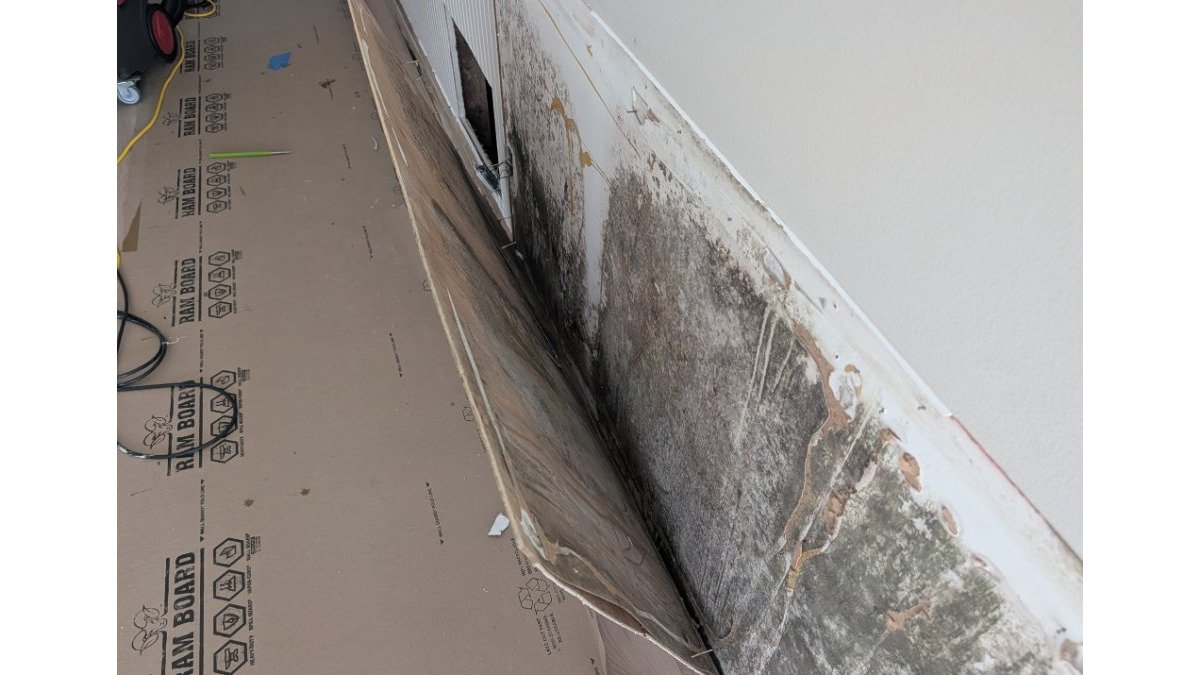
Mold is a symptom. The colony you can see is usually the smaller half of the problem, because the moisture feeding it sits behind baseboards, under flooring, or inside a wall cavity.
A proper remediation scope typically covers four things:
- Identifying the moisture source and the extent of affected material
- Containing the work area where disturbance is likely
- Removing porous materials that cannot be cleaned and cleaning what can be
- Verifying conditions afterward with visual assessment and, for interior occupied spaces, air testing
What shapes the scope is the material itself. Drywall, insulation, and carpet generally can't be cleaned once growth has moved into them; hard, non-porous surfaces often can.
Florida requires mold remediators to be licensed, and the state's licensing framework is administered through the Department of Business and Professional Regulation. You can verify a license directly through Florida DBPR license lookup before anyone steps onto your property.
Mold Inspection Stuart FL: What a Proper Assessment Covers
A mold inspection in Stuart FL is a visual and condition-based evaluation that should tell you where growth is, what's feeding it, and how far it likely extends, not a five-minute walkthrough with a moisture meter and a sales pitch.
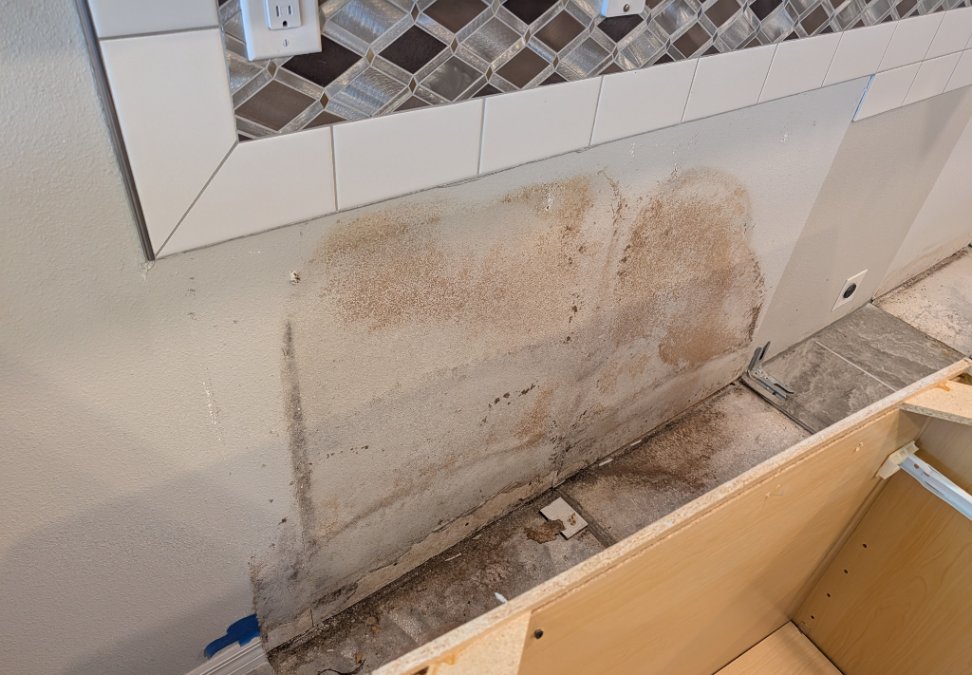
What a real assessment looks at:
- Visible growth and its pattern, including staining and discoloration that may not be active growth
- Moisture readings on walls, framing, and subflooring
- The building's history: past leaks, humidity control, HVAC configuration, prior repairs
- Attic and crawlspace conditions, where ventilation and condensation issues often hide
The inspection is also where you learn what the remediation scope should be. A good inspector explains findings in plain terms, shows you the readings, and outlines what mold remediation Stuart would involve.
An inspection and a remediation quote are two different conversations. JLX Environmental's mold testing service page explains how evaluation and sampling fit together.
Mold Testing Stuart FL: When Air Sampling Helps and When It Doesn't
Mold testing in Stuart FL is useful in specific situations, and it is not a required step before every remediation.
Air sampling captures airborne spores on a collection medium at a point in time, and a laboratory analyzes what was caught.
Air sampling tends to help when:
- Growth is suspected but not visible, such as after a known moisture event
- You want a documented baseline before work begins
- Post-remediation verification is being performed
- A transaction, tenancy, or documentation need requires it
It tends to add little when growth is plainly visible and the moisture source is obvious. In that case, the visible condition already answers the question, and sampling mostly adds cost.
Results should be read alongside what was observed on site: spore types present, moisture readings, building history, and where samples were taken. The EPA's guidance on mold makes the same point: the presence of mold is the problem to address, and sampling is a tool, not a substitute for fixing moisture.
How to Compare Mold Remediation Providers in Martin County
Comparing mold remediation providers in Martin County comes down to a handful of checks, none of which is the company's tagline. Run every provider through the same list so you're comparing like with like.
What to Check | Why It Matters | How to Verify |
|---|---|---|
Florida mold remediator license | Remediation is regulated work | Look up the license number in the state database |
Insurance and workers' comp | Protects you if something goes wrong on site | Ask for a certificate of insurance |
Written scope of work | Shows what's being removed vs. cleaned | Request it in writing before signing |
Sampling and verification approach | Tells you how the work gets checked | Ask whether post-work testing is included |
Separate assessment from sales | Reduces pressure to over-scope | Ask who performs the inspection |
Reading a written scope line by line
The written scope is where providers differ most. A useful scope typically names the affected areas room by room, states which materials will be removed versus cleaned, describes containment where the scope calls for it, notes how the HVAC system will be handled if involved, and says how the work will be verified.
With two written scopes in front of you, compare them on four axes: the affected areas each names, the removal-versus-cleaning call for each material, the containment and HVAC language, and the verification step. If one scope is silent on a category the other addresses, ask why before you sign either.
What actually drives the price
Remediation costs vary widely because the work varies, and no responsible provider can quote a firm number before seeing the property. The drivers that move the number most are:
- Square footage and extent of affected material. More removal means more labor and more disposal.
- Material type. Porous materials such as drywall, insulation, and carpet generally come out; hard, non-porous surfaces often can be cleaned.
- Access difficulty. A crawlspace, an attic, or a wall cavity behind cabinetry slows everything down.
- Containment needs. Where containment is appropriate for the scope, setup and teardown add time and materials.
Because those drivers vary so much home to home, JLX Environmental doesn't publish flat-rate remediation pricing. What we do offer is a Quote-Beat Guarantee: we'll beat a comparable written mold-remediation quote from another Florida-licensed mold remediator by at least 10%. Comparable and licensed are the operative words, a handyman's verbal number isn't a comparison, and neither is a quote for a different scope.
Verifying a license and insurance
Florida requires mold remediators to be licensed, and the licensing framework is administered through the Department of Business and Professional Regulation. Before anyone steps onto your property, ask for the license number and check it directly through Florida DBPR license lookup.
Insurance is the second check. Ask for a certificate of insurance showing general liability and workers' compensation coverage, and confirm the certificate names the entity you're actually hiring. If a provider can't produce one promptly, that's information.
The independence question
Florida regulates mold assessment and mold remediation as separate licensed activities and restricts performing both services on the same structure. A professional may hold both licenses, but that does not eliminate the state's conflict-of-interest requirements. Ask who is performing each service, whether an independent assessment is needed, and how post-remediation verification will be handled.
Mold Remediation Duration: What Shapes the Timeline
Remediation duration depends on scope, not a standard clock. A contained area with limited affected material may be completed in a short window, while a larger scope involving multiple rooms, HVAC components, or crawlspace work takes longer. Anyone quoting a firm timeline before assessing the property is guessing.
The phases that consume time
Most remediation projects move through the same broad sequence, each phase with its own time cost:
- Assessment and scope. Visual evaluation, moisture readings, and a written scope. This is usually the fastest phase, but it's the one that determines everything after it.
- Containment setup. Where containment is appropriate for the scope, building and sealing the work area adds time before any removal begins.
- Removal and cleaning. Contaminated materials that cannot be effectively cleaned are removed, while suitable materials are cleaned or treated. Structural wood framing can often be retained and remediated. This is typically the longest phase and scales with the extent of affected material.
- Condition stabilization. Materials need to be in an appropriate condition before work proceeds, and that step takes time that isn't visible in photos.
- Verification. For normal occupied interior remediation, post-work air testing and laboratory analysis add a turnaround window after the physical work is done.
What actually moves the timeline
- Extent of affected material. More removal means more time.
- Material type. Some materials require removal, while others can be cleaned or treated, depending on their condition.
- Access. A crawlspace or a wall cavity behind cabinetry slows everything down.
- Containment requirements. Where containment is appropriate for the scope, setup and teardown add time.
Scheduling is its own variable. Ask any provider how they handle occupied spaces, and listen for a specific answer rather than "we'll work around you." A provider who can describe sequencing work around a family's routine or a business's hours has done it before.
Post-Remediation Verification: What Happens After the Work
Post-remediation verification evaluates whether the completed work meets the intended remediation scope and whether site conditions support completion. For interior remediation projects, JLX Environmental performs post-remediation air testing with samples analyzed by a laboratory. Crawlspaces and attics are evaluated through visual inspection and site conditions rather than air sampling within those spaces.
Laboratory results are one source of information, interpreted alongside visual observations and the condition of the materials after work is complete.
One exception worth stating plainly: JLX does not perform air sampling or post-remediation air testing inside crawlspaces or attics.
Verification should be planned before work starts, not added as an afterthought.
Questions to Ask Before You Hire Anyone
Ask these before signing anything, and expect direct answers.
- What's your Florida mold remediator license number? Then look it up.
- Can I see a written scope that names the affected areas and materials?
- What's the moisture source, and what needs to happen to correct it? Remediation removes growth; the moisture source still has to be addressed, and that may involve a trade JLX doesn't provide.
- Will you sample before, after, or both, and what will the results change?
- Who performs the verification, and is it included in the scope?
- How do you handle occupied homes or working commercial spaces?
- Is the quote comparable to another licensed remediator's written quote? If you have one, ask about the Quote-Beat Guarantee.
That list is short on purpose. Most bad remediation experiences trace back to a skipped question, usually the first or the third.
If you're dealing with visible growth, a persistent musty odor, or moisture you can't trace, start with an assessment rather than a spray bottle. JLX Environmental serves the Treasure Coast and Space Coast from Hobe Sound north through Titusville, and we'll tell you what we find and what scope the property actually needs. See how we approach mold remediation or request a quote to get started.
Frequently Asked Questions
What is the difference between mold removal and mold remediation?
Mold removal usually means cleaning visible growth from a surface. Mold remediation is broader: it addresses the moisture condition that allowed growth, removes or cleans affected materials depending on the scope, and may include containment where conditions require it. Remediation also typically ends with some form of verification. In Stuart FL, the right approach depends on the materials affected, how far the growth extends, and whether the moisture source has been corrected.
How long does mold remediation usually take?
Mold remediation duration varies with the size of the affected area, the materials involved, and whether containment or demolition is needed. A small surface issue may be handled in a day, while larger projects involving porous materials or HVAC components can take several days. Scheduling, drying time for cleaned surfaces, and lab turnaround for post-remediation samples also affect the total. A written scope from your provider should state an expected timeline before work begins.
Does mold remediation include mold testing?
Not automatically. Pre-remediation air testing is not required for every project, and visible mold does not always call for sampling. Testing is most useful when the source is unclear, when results will guide the scope, or when documentation is needed. Following remediation, JLX performs post-remediation air testing for normal occupied interior work and submits samples to a lab; customers may also choose an independent third-party verifier. Crawlspaces and attics are verified visually rather than by air sampling.
How do I choose a mold remediation company in Stuart FL?
Check Florida licensing and insurance first, then ask for a written scope that lists affected materials, containment approach, and what verification is included. Compare quotes line by line rather than on total price alone, since scopes differ. Ask whether the same company will both assess and remediate, and how they handle situations where those should be separate. A provider that explains findings in plain language and puts the scope in writing is easier to hold accountable.