Table of Contents
- Understanding the Difference Between Mold Testing and Remediation
- Signs of Mold in Rental Properties
- How to Identify Types of Mold
- The Professional Mold Inspection Process
- Mold Remediation Procedures and Scope
- Tenant Rights and Landlord Responsibilities
- When to Choose Testing, Remediation, or Both
- Frequently Asked Questions
Last Updated: September 25, 2026
Understanding the Difference Between Mold Testing and Remediation
Understanding mold testing vs remediation for rentals comes down to purpose and action. Mold testing identifies what's present in your indoor air quality or on surfaces. Remediation removes the mold and addresses the conditions that allowed it to grow. For rental properties, knowing which one you actually need, or whether you need both, saves time, money, and confusion about tenant rights and landlord responsibilities.
When considering mold testing vs remediation, many property owners and tenants assume testing always comes first. That's not always true. Visual mold visible to the naked eye often doesn't require air sampling to justify remediation. The real question is whether you need information (testing) or action (remediation), and at what point each makes sense for your specific situation.
At JLX Environmental, we evaluate rental properties by starting with what we can see and what conditions exist. From there, we determine whether testing adds useful information or whether remediation should proceed based on visual findings and moisture conditions. This approach keeps costs reasonable and focuses on what actually solves the problem.
Signs of Mold in Rental Properties
Visible microbial growth can appear in several forms and colors on drywall, grout, wood, and other building materials. Fuzzy, powdery, spotted, or discolored surfaces may indicate microbial growth, especially in bathrooms, around HVAC components, near windows, and in other areas where moisture or elevated humidity is present.
A musty odor, often the first signal tenants notice, suggests mold is present even if you can't see it yet.
Moisture is the root cause. Look for water stains on ceilings or walls, peeling paint, soft drywall, or condensation on windows. Leaks from plumbing, roof damage, or poor drainage create the conditions mold needs to thrive. Crawlspaces, attics, HVAC areas, bathrooms, and other spaces with elevated humidity or moisture intrusion are frequent problem areas.
In rental units, tenants may report musty smells, visible discoloration, or concerns about indoor air quality. These reports should be taken seriously. Some landlords address the visible growth with surface cleaning or spray treatments. That approach typically fails because it doesn't stop the moisture source. The mold returns because the underlying condition remains unresolved.
How to Identify Types of Mold
Identifying mold visually has limits. Many mold species look similar to the untrained eye. Some appear black, others green or white. The color alone doesn't tell you the species or whether it poses specific concerns.
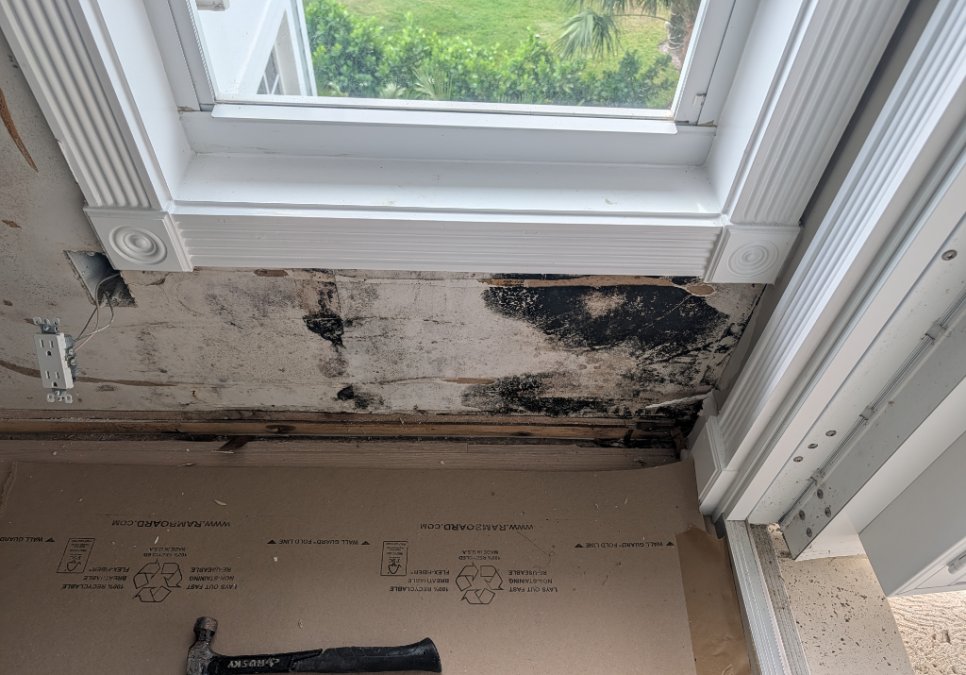
Growth on non-porous materials such as tile, glass, or metal can often be addressed differently than growth affecting porous building materials. Drywall, insulation, carpet, and other porous materials may retain moisture and contamination below the surface and should be evaluated based on the material, extent of growth, and surrounding conditions.
A professional inspection can document the location, extent, and affected materials. This information drives remediation scope decisions. The specific mold species matters less than understanding where it's growing, how much area is affected, and what moisture condition is feeding it. That's where the focus should be.
The Professional Mold Inspection Process
A professional mold inspection for rental properties involves a systematic visual assessment. The inspector examines visible surfaces, checks for water damage, evaluates moisture conditions, and documents findings with photos and notes. This visual inspection is the foundation of understanding what needs to be addressed.
The inspector typically uses a moisture meter to check for hidden moisture in walls or materials. They look for signs of past water damage, active leaks, condensation patterns, and ventilation issues. They assess whether crawlspaces, attics, HVAC areas, and other moisture-prone spaces show signs of moisture intrusion, elevated humidity, or poor air circulation.
An inspection report should clearly describe what was found, where, and what conditions are present. It should explain whether mold appears to be active or past damage, and whether moisture conditions currently support growth. This information helps determine the appropriate remediation scope and whether further testing adds useful details.
Air sampling during an inspection is optional. Pre-remediation air testing is not required or automatically included with every remediation. Some property owners request it to establish a baseline or to understand whether indoor spore counts differ from outdoor conditions. Results should be interpreted alongside visual findings, moisture data, and building history, never as a standalone yes-or-no answer about whether remediation is necessary.
Mold Remediation Procedures and Scope
Remediation scope depends on what's affected, how much area is involved, and what materials are contaminated. Small surface mold on non-porous materials may be cleaned and the moisture source addressed. Larger areas, porous materials, or complex moisture situations typically require professional remediation with appropriate containment and removal procedures.
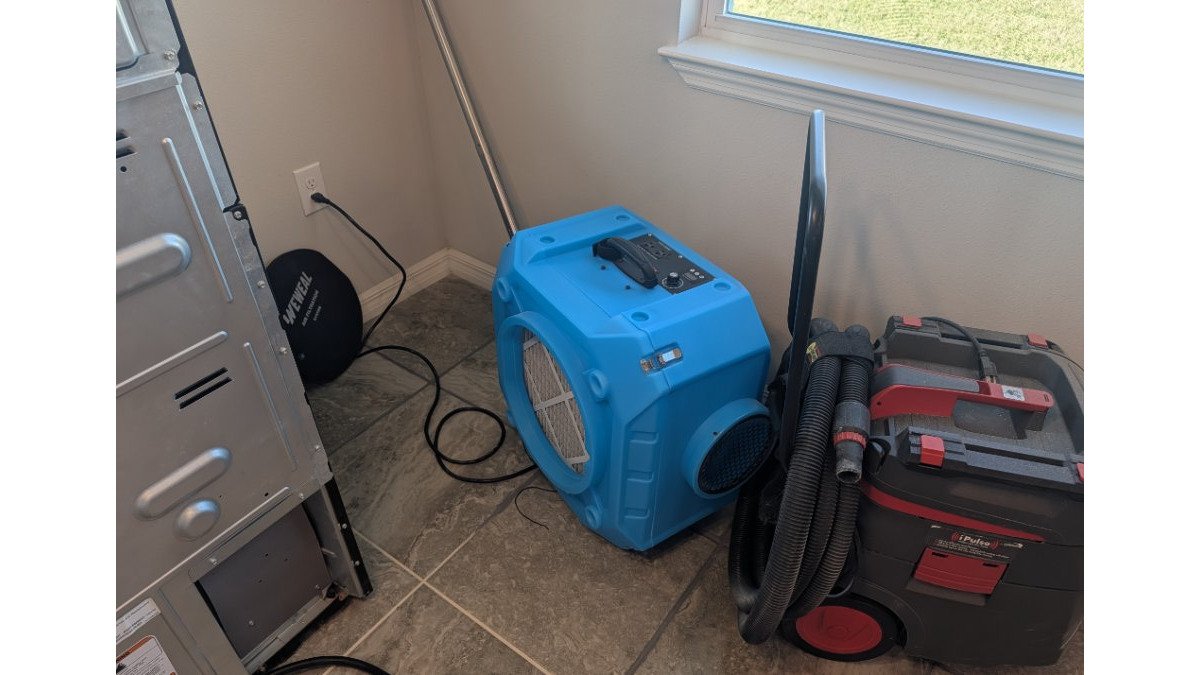
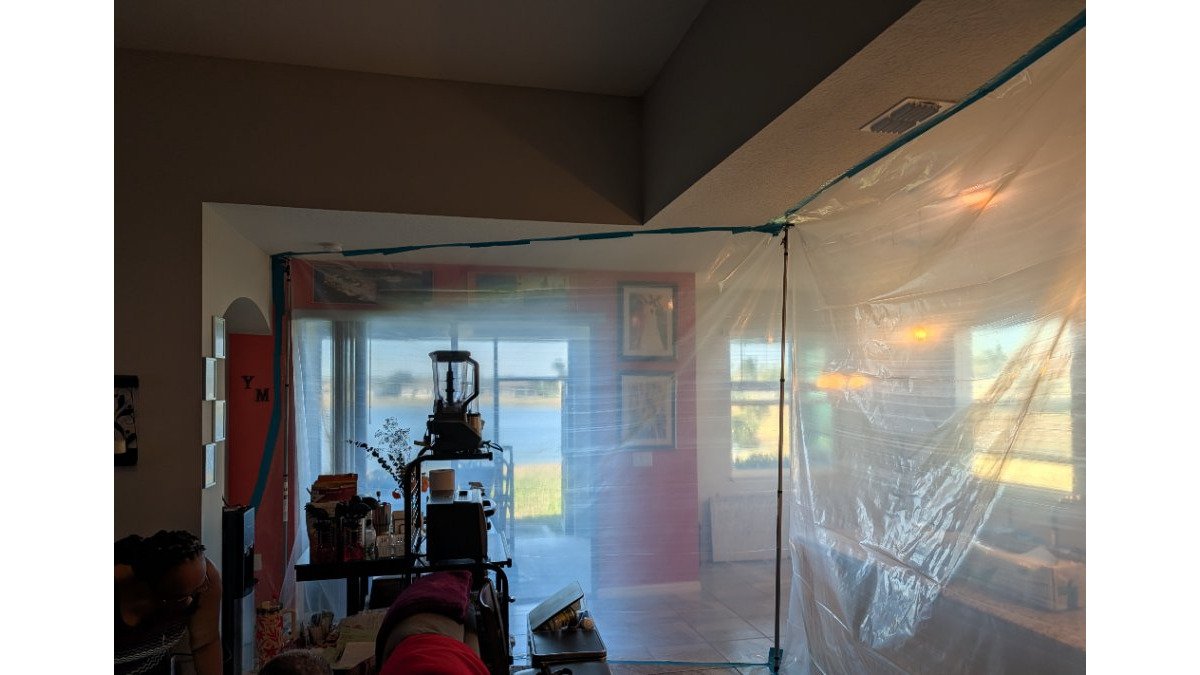
Containment methods vary based on the extent and location of growth. Minor surface remediation may require minimal containment. Larger jobs or jobs involving demolition may include containment barriers to prevent spore spread during work. The specific approach depends on the scope, the materials involved, occupancy during work, and HVAC configuration.
Remediation typically includes:
- Identifying and stopping the moisture source
- Removing affected materials where necessary
- Cleaning and treating remaining surfaces
- Addressing ventilation or humidity issues that enabled growth
For rental properties, remediation should address the affected materials and microbial growth within the remediation scope while moisture conditions contributing to the problem are identified and corrected. Controlling the underlying moisture condition is critical to reducing the likelihood of future growth
Post-Remediation Verification for Rentals
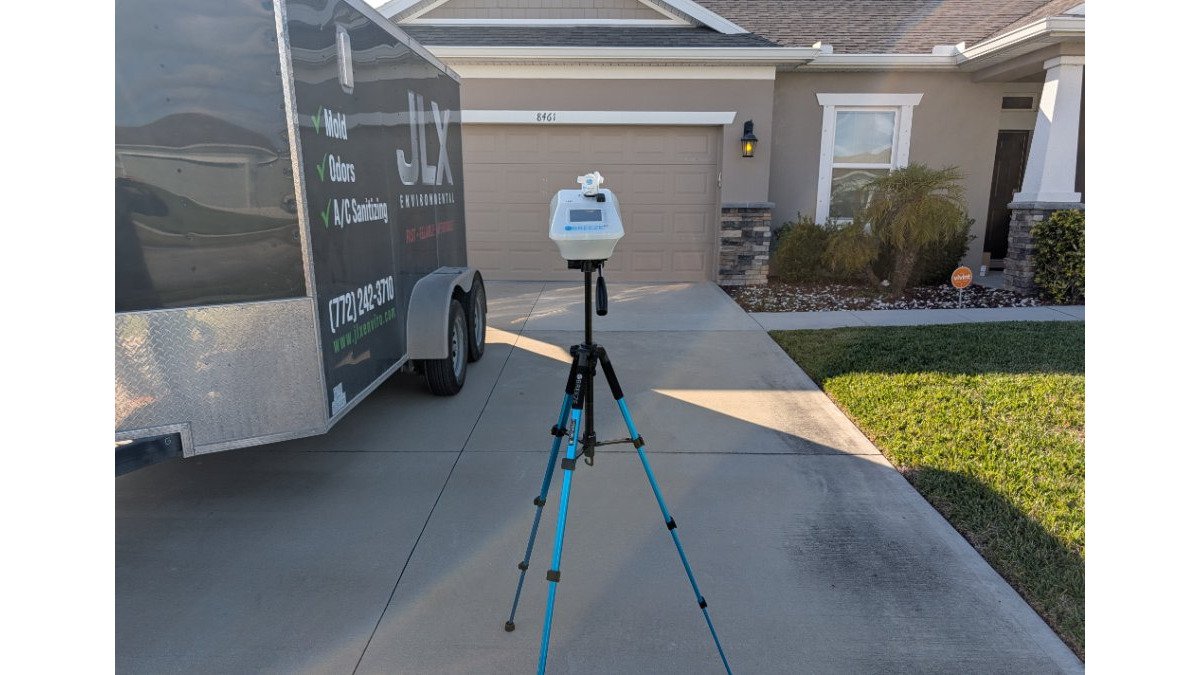
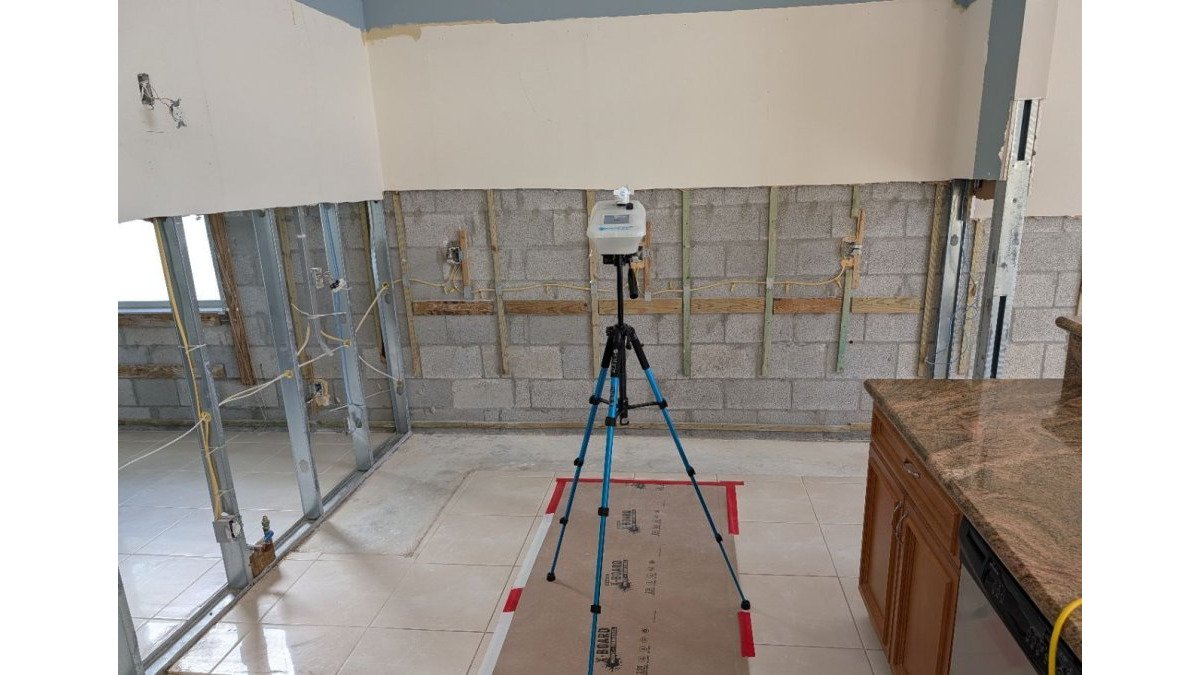
After remediation work is complete, JLX Environmental performs post-remediation air testing for interior remediation projects and submits the samples to an independent laboratory for analysis. Laboratory results are evaluated along with visual observations and site conditions to help verify the effectiveness of the remediation work.
For crawlspaces and attics, verification is visual and condition-based.
Tenant Rights and Landlord Responsibilities
Rental-property mold concerns can involve responsibilities for both property owners and tenants, but specific legal obligations vary by state, county, municipality, lease terms, and the circumstances that caused the moisture problem.
Property Owner Responsibilities
Property owners should promptly investigate reported leaks, moisture intrusion, visible microbial growth, or other conditions that may affect the property. When remediation is necessary, the scope should address both the affected materials and the underlying moisture condition contributing to the growth.
Tenant Responsibilities
Tenants should report leaks, plumbing problems, HVAC issues, visible growth, or other moisture concerns promptly so the property owner has an opportunity to investigate and correct the condition. Maintaining reasonable ventilation and following property maintenance requirements can also help prevent excessive indoor moisture.
Documentation and Communication
Both parties benefit from documenting reported conditions, photographs, inspection findings, repairs, remediation work, and communication regarding the issue. When there is disagreement about conditions inside the property, professional inspection or testing may provide useful objective information.
Local Requirements
Rental-property requirements vary by jurisdiction and individual circumstances. Property owners and tenants with questions about their specific legal rights or obligations should consult the applicable lease, local housing authority, or a qualified legal professional.
When to Choose Testing, Remediation, or Both
Visible Mold: When Professional Remediation Is Necessary
Visible mold that you can see does not automatically require air testing to justify remediation. If mold is visible, moisture conditions are present, and the area is affected, remediation should proceed. Testing adds cost without changing the remediation decision in most cases.
- Professional evaluation and remediation may be appropriate when:
- Microbial growth affects porous building materials or multiple areas
- Growth is present within HVAC components, ductwork, crawlspaces, attics, or other difficult-to-access areas
- Moisture damage is extensive or the source has not been identified
- The property has recurring microbial growth or repeated water intrusion
- Previous cleaning or treatment has not corrected the problem
- The extent of affected materials makes containment or controlled removal appropriate
Minor Surface Growth
Small areas of surface growth on non-porous materials do not necessarily require the same remediation approach as widespread growth affecting porous building materials. However, the underlying moisture condition still needs to be identified and corrected. If growth returns after cleaning, affects additional materials, or the source of moisture is unclear, professional evaluation is appropriate.
When Testing Is Useful
Testing may be useful when:
- You want to establish baseline indoor air conditions before remediation (for documentation or insurance purposes)
- You're unsure whether mold is present but suspect moisture problems based on odor, visible water damage, or tenant concerns
- You want information about spore levels after remediation is complete (post-remediation verification)
- Legal or insurance situations require documentation of conditions before and after remediation
- A landlord and tenant disagree about whether visible mold warrants remediation
The Practical Decision Framework for Rentals
- Visible mold on porous materials or large areas → Professional remediation required; testing optional unless dispute exists
- Visible mold on non-porous surfaces with no active leak → Clean and address moisture source; monitor for recurrence; escalate to professional if it returns
- Musty odor or moisture damage with no visible mold → Professional inspection to assess scope; testing may help establish baseline; remediation scope determined by findings
- Tenant complaint with unclear cause → Professional inspection first; testing may clarify whether mold is present; remediation follows if findings warrant it
Post-remediation verification → For JLX interior remediation projects, post-remediation air testing is performed after the work and samples are submitted to an independent laboratory for analysis. Crawlspace and attic verification is visual and condition-based.
Frequently Asked Questions
What is the difference between mold testing and mold remediation?
Mold testing evaluates indoor air quality and identifies mold presence through air sampling or surface collection, providing information about spore counts and types. Remediation is the process of removing mold-affected materials and addressing moisture sources. Testing helps you understand the condition; remediation fixes the problem. Testing is not always necessary before remediation, and air sampling alone does not determine whether remediation is needed or define its scope.
Do landlords have a legal obligation to address mold growth in rental units?
Landlord responsibilities for moisture and mold-related conditions vary by jurisdiction, lease terms, and the circumstances involved. Property owners should take reported leaks, moisture intrusion, and visible microbial growth seriously and investigate the underlying condition promptly. Tenants or property owners with questions about specific legal obligations or remedies should consult their lease, applicable local or state requirements, or a qualified legal professional.
Is air sampling always necessary to identify mold issues in a rental?
No. Visual inspection and moisture assessment are often sufficient to identify mold concerns and determine whether remediation is appropriate. Air sampling provides additional information but is not automatically required. The decision to test depends on the situation, the extent of visible growth, moisture conditions, and whether you need additional data to make a remediation decision. A professional inspection can help determine whether testing adds value in your specific case.
What should tenants do when mold is discovered in a rental unit?
Tenants should document the condition with photos, note the location and any related moisture or leak concerns, and report the issue to the property owner or property manager in writing. Keep copies of communications and provide reasonable access for inspection or repairs. If the issue is not addressed, tenants can consult the applicable lease, local housing authority, or a qualified legal professional regarding options available in their jurisdiction.