Table of Contents
- Why Air Sampling Is Used and When It Makes Sense
- Mold Testing Procedures: What Happens Before Sampling Starts
- Step by Step Through the Mold Air Sampling Visit
- Inside the Laboratory Analysis of Mold Samples
- Reading Your Results Without Panic
- Post-Remediation Verification: Confirming the Work
- What Mold Air Sampling Costs and How to Time It
- Frequently Asked Questions
Last Updated: September 14, 2026
Why Air Sampling Is Used and When It Makes Sense
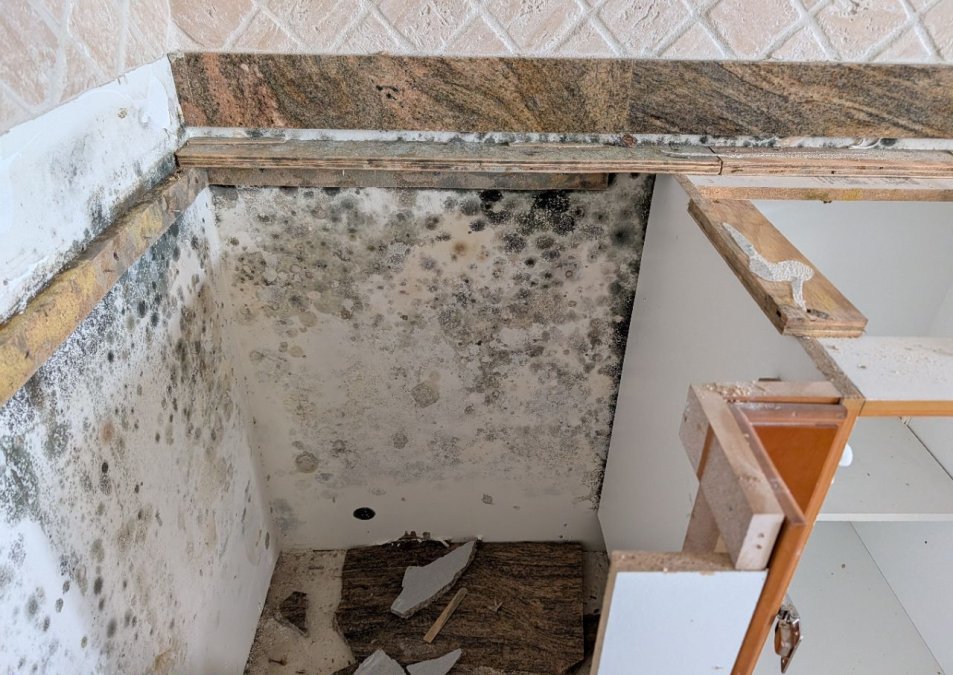
If you've found visible growth or a musty odor and you're wondering what to expect during mold air sampling, the short answer is this: a technician collects measured volumes of air onto a sampling cassette, and a laboratory counts and identifies what was captured. The purpose isn't to declare a building clean or contaminated. It's to establish whether airborne spores are elevated relative to a baseline, and to document conditions before or after remediation work.
At JLX Environmental, we're a family-owned, Florida-licensed environmental services company, and we walk property owners through this process regularly. Air sampling is one tool among several. It answers a narrow question well, and it's the wrong tool for plenty of situations.
Air sampling makes sense when:
- Visible growth or a musty odor has been found, but the extent isn't clear
- You need documentation for a real estate transaction or insurance discussion
- You want a before-and-after comparison around remediation work
- Occupants have raised air quality concerns and you want objective data
It makes less sense as a routine annual test, or as a first step before anyone has actually looked at the property.
Mold Testing Procedures: What Happens Before Sampling Starts
A mold testing procedure begins with a conversation and a walkthrough, not with equipment. Before anyone sets up a pump, a qualified inspector needs to understand the building's history, layout, and the specific question the sampling should answer.
Expect the following groundwork:
- A phone or on-site interview about leaks, humidity, past repairs, and where odors are strongest
- A review of the building envelope: roof lines, windows, exterior walls, and any known moisture paths
- A walkthrough of every room, including closets, under sinks, and behind furniture
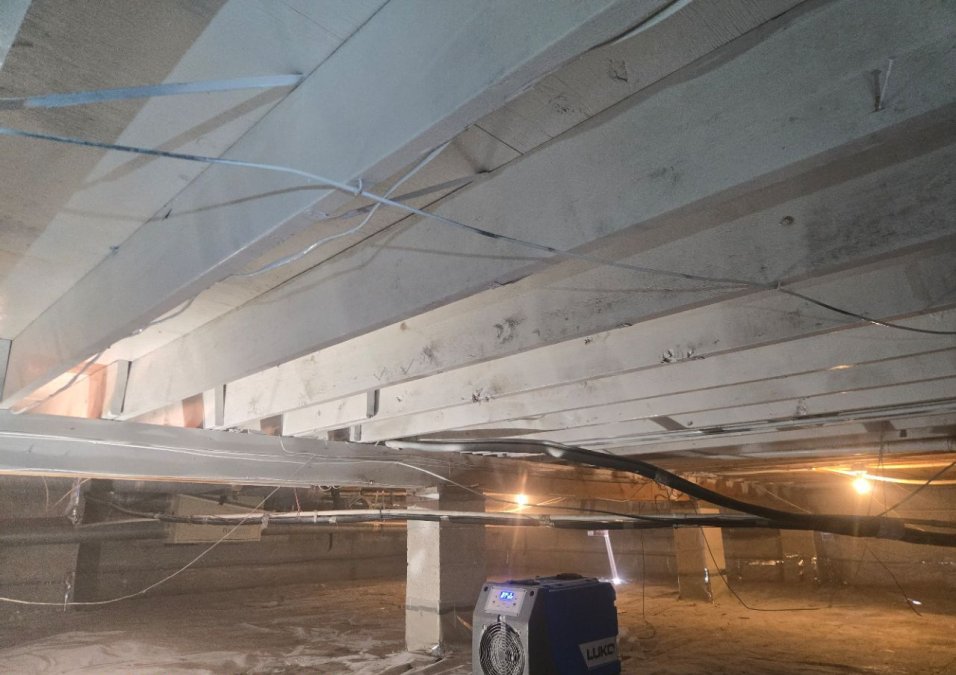
- Inspection of accessible attic and crawlspace areas
- A decision about which rooms get sampled and which serve as controls
The EPA's guidance on mold and moisture control frames the priority clearly: find and fix the moisture problem first. Sampling is a measurement step, not a solution.
The Visual Inspection Comes First
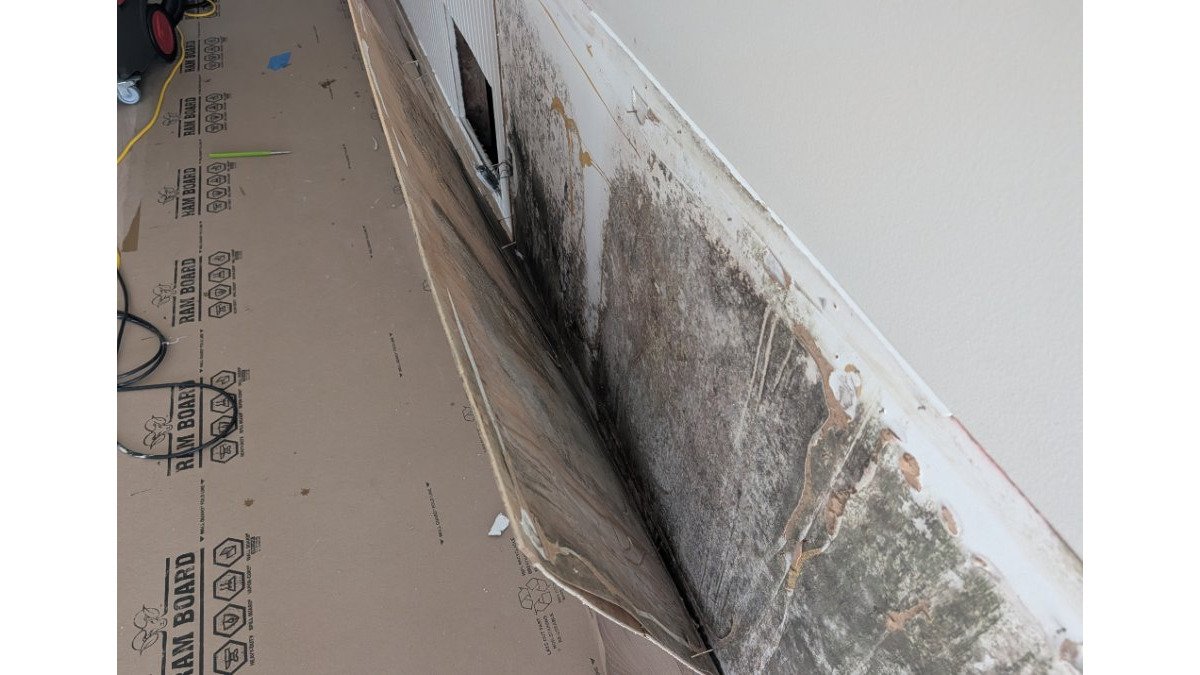
Visual inspection and air sampling answer different questions. An inspection identifies where moisture is present, where microbial growth has established, and how far it appears to have spread. Sampling measures what's airborne at the moment of collection.
A property can show visible growth in one corner and produce unremarkable air samples elsewhere. The reverse happens too. This is why sampling without an inspection tends to produce results nobody can act on.
How the Scope Gets Set Before Anyone Samples
The inspection converts a vague concern into a defined sampling plan through three decisions:
1. What question is being asked. "Is there a problem here?" and "did the remediation work?" lead to different sample counts, locations, and timing.
2. Which locations represent the concern. Sample locations are chosen to represent a condition, not to blanket the floor plan. A room with visible growth, a room with a persistent odor, and a room with neither are usually treated differently.
3. What serves as the comparison. At minimum, an outdoor control; depending on the question, also an indoor baseline in an area with no visible growth or odor.
Why Sample Count Matters More Than Sample Volume
A common misconception is that running the pump longer produces better data. Spore trap results are reported as a concentration per cubic meter of air, so a longer run at a correct flow rate simply samples more air at the same concentration. What changes a report's usefulness is how many well-chosen locations were sampled and whether an outdoor control was collected at the same time. A handful of deliberate locations, each tied to a specific observation from the walkthrough, generally produces a more interpretable report than a large scatter of samples with no reasoning behind them.
What the Inspector Should Document
By the end of the pre-sampling stage, you should be able to see the plan in writing. A clear scope typically records:
- The moisture history and any visible growth or odor noted during the walkthrough
- Each proposed sample location and the reason it was selected
- Where the outdoor control will be collected
- The flow rate and duration planned for each sample
- What the results will and won't be used to decide
That last item is the one most often skipped, and it's the one that keeps a report from being misread later.
Step by Step Through the Mold Air Sampling Visit
The time required for a residential sampling visit depends on the property, the number of sample locations, and the conditions being evaluated. Here's how the process generally works.
Step 1: Confirm the plan. The technician reviews which rooms will be sampled and why, so you know what the data will cover.
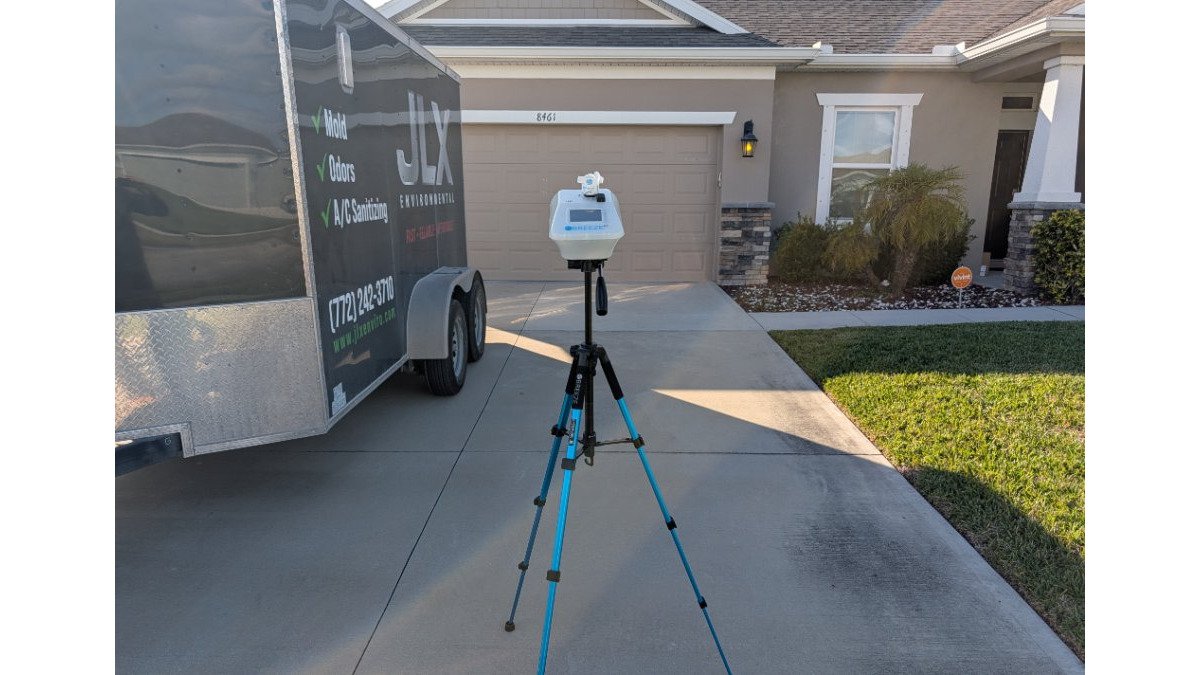
Step 2: Set up the outdoor control. One sample is collected outside the building, upwind of vents and exhaust. This establishes what's in the local ambient air.
Step 3: Prepare the indoor locations. Doors between rooms are typically left in their normal position. HVAC settings are noted rather than altered, since you want a picture of ordinary conditions.
Step 4: Collect each sample. A calibrated pump draws air through a sampling cassette for a set duration. The technician records the location, time, and flow rate.
Step 5: Label and seal. Each cassette is labeled, sealed, and logged on a chain of custody form.
Step 6: Ship to the lab. Samples are submitted to a laboratory for analysis. Turnaround time depends on the laboratory and service selected.
Setting the Baseline and Outdoor Control Sample
The outdoor control sample is the reference point for everything else. Without it, an indoor spore count has no context, because outdoor airborne concentrations shift constantly with weather, season, and local activity.
A baseline indoor sample is sometimes collected in an area with no visible growth or odor, giving a comparison within the building itself. Not every project needs one; ask upfront what's being sampled and why.
How Spore Traps and Air Flow Rates Work
A spore trap is a sampling cassette that draws air through a narrow slit onto a sticky collection surface, where particles in the airstream, including mold spores, land and stay.
Air flow rate is the volume of air pulled through the cassette per minute, measured with a calibrated pump; sampling duration is how long the pump runs. Multiply the two and you get total air volume sampled, which allows the lab to report a concentration rather than a raw count.
Get the flow rate wrong and the numbers are meaningless. That's why calibration records matter as much as the results themselves.
Inside the Laboratory Analysis of Mold Samples
Laboratory analysis of mold samples happens under a microscope, and the analyst's job is identification and counting, not diagnosis.
The lab typically reports:
Report Element | What It Tells You |
|---|---|
Total spore count | Overall airborne particulate load captured |
Genus identification | Which mold types were present |
Individual counts per genus | Relative proportion of each type |
Concentration per cubic meter | Standardized comparison value |
Non-mold particulate matter | Dust, pollen, and other debris captured |
Analysts look for recognizable spore structures. Some genera are identifiable to genus level by appearance; others are grouped into broader categories because spores from different species look alike under a microscope. Hyphae and mycelium fragments may also appear, indicating fungal material was airborne rather than only spores.
The CDC's overview of mold and indoor environmental quality notes that there are no widely accepted numerical standards for what constitutes a "safe" indoor spore level, which is why comparison to an outdoor control matters so much.
Reading Your Results Without Panic
A laboratory report is information, not a verdict. The most useful way to read one is comparatively: how do indoor locations stack up against the outdoor control, and against each other?
Things a qualified interpreter looks at:
- Whether indoor and outdoor genera profiles are broadly similar or clearly different
- Whether one room stands out from the rest of the building
- Whether a genus associated with sustained moisture is present in elevated numbers
- Whether the total particulate load suggests a dust problem rather than a mold problem
What the report does not tell you: whether anyone will experience symptoms, whether the building is "safe," or whether growth will return. Health questions belong with a healthcare professional. Building questions belong with someone who inspected the property.
Post-Remediation Verification: Confirming the Work
Post-remediation verification is the step most property owners don't know to ask about, and it closes the loop on a remediation project.
After remediation work is complete, JLX Environmental performs post-remediation air testing and submits samples to a laboratory for analysis. The results are used to evaluate conditions following the work, alongside a visual assessment of the remediated area. Customers who prefer an independent third-party verifier are free to arrange one; that's a choice, not a requirement.
Verification isn't a guarantee. Air testing after remediation gives you a picture of conditions at that point in time. It does not certify that a property is mold-free, and it does not promise growth won't return if the underlying moisture issue isn't addressed. The moisture source has to be identified and corrected, and that correction is often a separate trade from remediation itself.
What Mold Air Sampling Costs and How to Time It
Cost transparency is where a lot of sampling conversations go sideways. Most guides either skip the subject or quote a single number that doesn't survive contact with a real property.
What Drives the Cost
Mold air sampling isn't priced as a flat service. It's priced by the work involved, and a few variables move the number more than anything else:
- Number of samples. Each cassette, each lab analysis, and each location adds to the total. This is usually the largest single driver.
- Number of locations. A single-room concern and a whole-building assessment are different jobs.
- Access and complexity. A finished basement, a sealed mechanical room, or a property with multiple HVAC zones takes longer to walk and sample than an open floor plan.
- Whether an outdoor control is included. A control sample is standard practice, and it's part of the cost, not an add-on.
- Turnaround time. Standard lab turnaround and expedited turnaround are typically priced differently.
Because those variables change from property to property, any provider quoting a number before seeing the building is guessing. JLX Environmental doesn't publish flat-rate mold-remediation pricing, and sampling pricing is quoted per property for the same reason: the scope determines the cost.
How to Compare Quotes Without Getting Misled
When you're gathering quotes, compare them on scope, not on the bottom-line number. Two quotes that look similar on price can cover very different work. Ask each provider:
- How many samples are included, and at which locations?
- Is an outdoor control sample included?
- What's the lab turnaround time?
- Is the report a summary page or the full lab report with genus-level data?
- What happens after the results come back?
A lower quote that omits the outdoor control or delivers only a summary page isn't actually cheaper; it just moves the cost of a second visit or analysis to later.
Timing: When Sampling Actually Helps
Timing matters as much as scope. The same test run at the wrong moment produces data that can't answer the question you started with.
- Before remediation, sampling can document what's airborne at that point and help inform the scope of work. It isn't required for every project, and whether it's included depends on the question being asked.
- After remediation, sampling is used to evaluate conditions following the work, alongside a visual assessment of the remediated area.
- Long after a project, with no specific question in mind, sampling rarely produces information anyone can act on.
- During an active moisture event, sampling is usually premature. The moisture source needs to be identified and addressed first, and that correction is often a separate trade from remediation itself.
A Note on Insurance and Documentation
If you're sampling for an insurance discussion, keep in mind that coverage varies by policy and circumstances. A report can support a conversation with your insurer or adjuster, but it doesn't determine coverage on its own. Review your policy and speak with your insurer or adjuster about what your specific situation may or may not cover.
Frequently Asked Questions
Is air sampling for mold accurate?
Air sampling gives a snapshot of airborne concentrations at the moment of collection. It can miss growth hidden inside a wall cavity, and spore counts shift with ventilation, humidity, and activity. That is why results are read alongside a visual inspection and moisture findings, not on their own. Laboratory analysis of mold samples identifies spore types and counts, but it does not prove a property is mold-free or safe. Treat the report as one piece of information used to evaluate conditions.
How long does the mold air sampling process take?
The time required depends on the property, the number of sample locations, and the sampling plan. Each sample is collected for a specified duration at a controlled airflow rate. Laboratory turnaround also varies depending on the laboratory and service selected. JLX can explain the expected sampling and laboratory timeline for your specific project before testing begins.
Why is outdoor air sampled alongside indoor air?
An outdoor control sample shows what mold spores are already present in the outside air on the day of collection. Because spores travel indoors through doors, windows, and ventilation, that outdoor baseline helps an inspector judge whether indoor levels look elevated for the conditions. Without it, a spore count reading has little context. The comparison is one factor in the evaluation, not a pass or fail test.
Do I need to prepare my home before a mold air test?
Keep the home in its normal condition so the sample reflects everyday air. Avoid heavy cleaning, painting, or running fans and air conditioning on high right before the visit, since that stirs up particulate matter. Close windows and exterior doors during collection unless the technician says otherwise. If you have specific concerns about a room, point it out so the inspector can place a sampling cassette there.