Table of Contents
- What Affects Air Duct Mold Remediation Cost
- Signs of Mold in HVAC Systems
- Cleaning vs. Professional Mold Remediation
- Mold Remediation Quote Comparison: What to Look For
- Post-Remediation Verification for Air Ducts
- Insurance Coverage for Air Duct Mold Remediation
- Long-Term Prevention Strategies
- Is Professional Mold Remediation Necessary?
- Frequently Asked Questions
Last Updated: September 23, 2026
When mold appears in your HVAC system, understanding air duct mold remediation cost helps you budget and compare quotes fairly. The price varies dramatically based on what's growing, where it's located, and how your system is configured.
What Affects Air Duct Mold Remediation Cost
Air duct mold remediation cost depends on three major variables.
Extent of Mold Growth
The size and severity of mold in your ductwork is the biggest cost driver. A small patch costs far less than contamination spread across multiple ducts, plenums, or the air handler.
- Isolated surface growth on accessible sections typically runs lower
- Extensive contamination across multiple ducts or internal air handler surfaces requires more labor and materials
- Porous material involvement (fiberglass insulation, duct board) usually costs more than metal ducts
When mold covers large areas or penetrates insulation, sections may need removal and replacement rather than cleaning, which increases cost.
System Size and Complexity
A small home with straightforward ductwork differs from a large property with multiple zones, dampers, and complex return-air configuration.
- Single-zone systems (one thermostat, straightforward layout) are simpler to assess and remediate
- Multi-zone systems with dampers, separate returns, or commercial HVAC equipment take longer
- Accessibility matters too. Ductwork in tight attics, cramped mechanical spaces, or difficult-to-reach areas can require more time and labor than easily accessible components.
A contractor must inspect your system; layout, materials, and access points determine labor time and material needs.
Affected Materials and Accessibility
Duct materials vary: metal, fiberglass-lined, duct board, and flexible ducts respond differently to mold and remediation.
- Metal ducts can often be cleaned and treated when conditions allow
- Fiberglass-lined ducts require evaluation to determine whether the affected material can be appropriately treated or should be replaced
- Duct board must be evaluated based on the extent and location of microbial growth and the condition of the material
- Flexible ducts should be evaluated individually; treatment or replacement depends on the location and extent of growth and whether porous internal materials are affected
Accessibility also affects cost. Ductwork and HVAC components located in tight attics, enclosed chases, or other difficult-to-reach areas can require additional time and labor to properly assess and remediate.
Signs of Mold in HVAC Systems
Visible mold growth inside ducts, on the air handler, or around vent openings is the clearest indicator. A musty smell when the system runs, even after cleaning other areas, may also suggest duct mold.
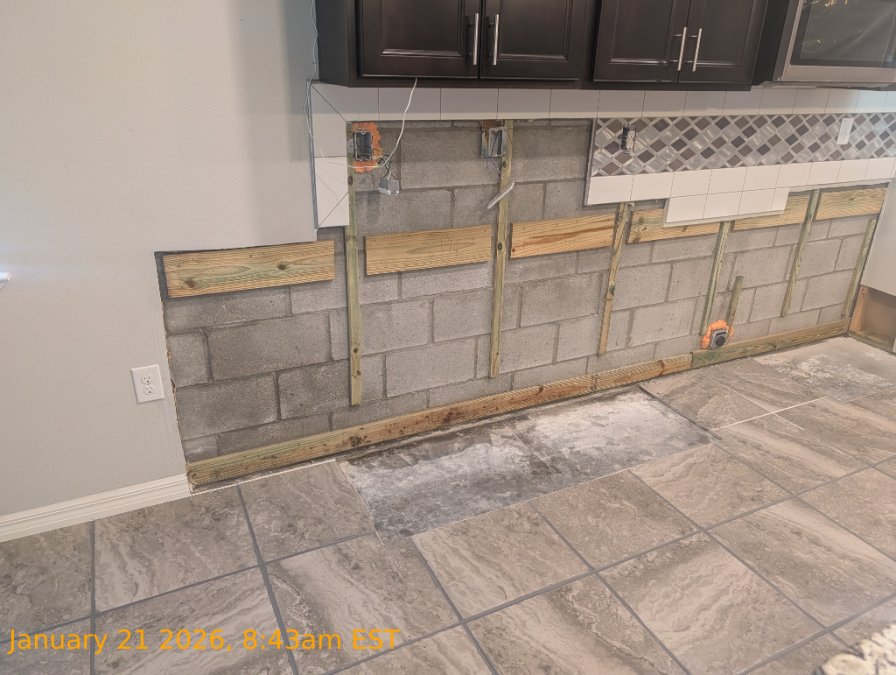
Other signs include:
- Musty odor coming from vents, especially when the system first turns on
- Visible dark spots on duct surfaces, air handler, or inside registers
- Dust or debris around vents that smells stale or moldy
- Recent moisture or humidity issues in the home (leaks, condensation, high humidity)
Mold may grow inside ducts undetected. If you've had water damage, high humidity, or a leak near your HVAC system, professional inspection is worthwhile even without visible growth.
Cleaning vs. Professional Mold Remediation
This distinction matters for cost and effectiveness. Many homeowners confuse the two.
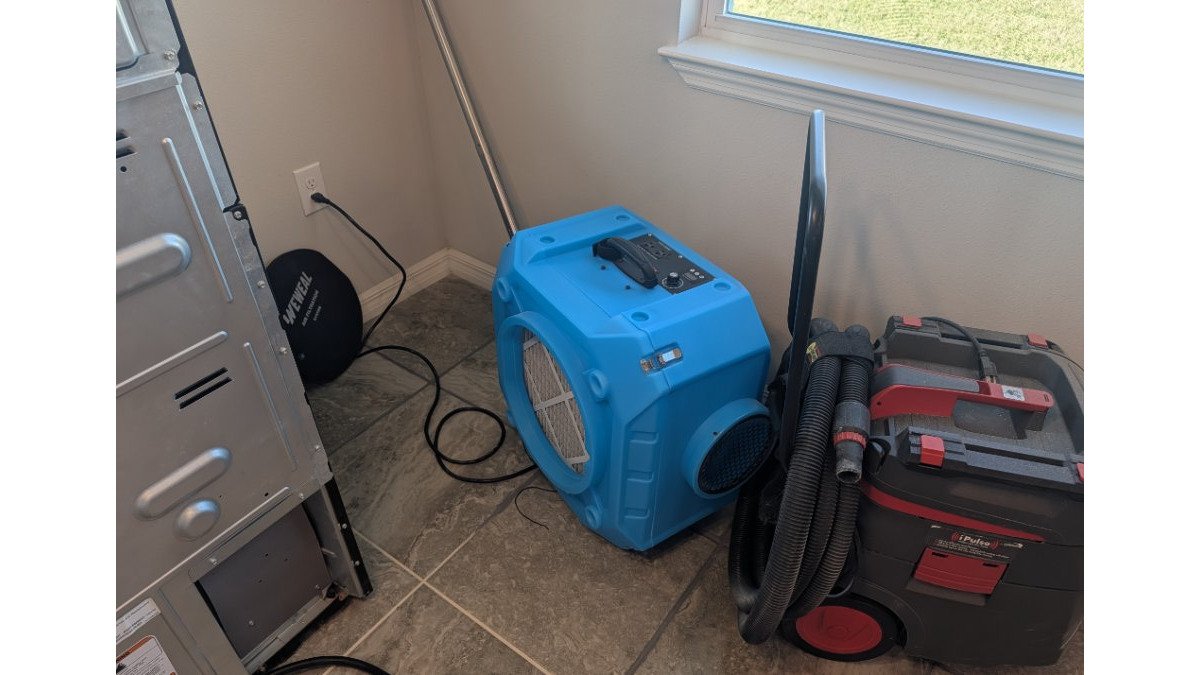
Basic air duct cleaning removes dust, debris, and surface contaminants using specialized equipment like HEPA vacuums and brushes to improve air quality and system efficiency.
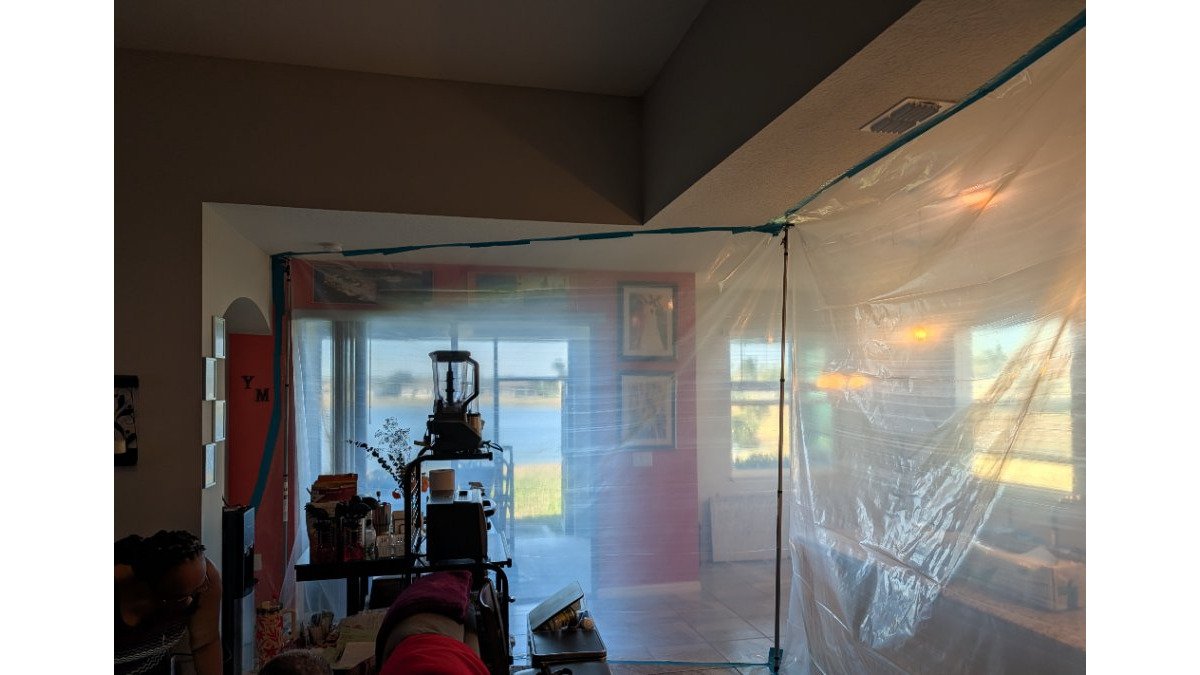
Mold remediation addresses mold contamination specifically through containment, removal of affected materials, treatment of remaining surfaces, and verification of post-remediation conditions.
Air duct cleaning and mold remediation serve different purposes. When microbial growth is present in an HVAC system, the appropriate approach depends on where the growth is located, the materials affected, the extent of contamination, and the underlying moisture conditions. Some systems may require mechanical cleaning, while others may be appropriately treated and sanitized without unnecessary duct cleaning. The goal is to use the right service for the actual condition of the system.
Mold Remediation Quote Comparison: What to Look For
Getting multiple quotes is smart. But comparing them requires understanding what each one actually includes.
Scope of Work and Labor
A detailed quote specifies which duct sections will be cleaned, treated, or replaced; whether the air handler is addressed; containment measures; labor hours; and timeline. Vague quotes are red flags. Two contractors may quote different scopes based on their findings, ask why one scope differs from another.
Add-On Services and Hidden Fees
Quotes may include add-ons like post-remediation air testing, ductwork replacement, air handler replacement, dehumidification, or sanitizing. Ask whether each is necessary for your situation or optional.
Legitimate contractors provide written quotes upfront without surprise charges later. If a quote seems low but vague, ask how additional mold discovered during work is handled.
JLX Environmental provides straightforward written quotes based on the actual conditions found at the property. We also offer to beat qualifying written mold remediation quotes from licensed mold remediators by at least 10%, making it easier to compare both scope and price.
Post-Remediation Verification for Air Ducts
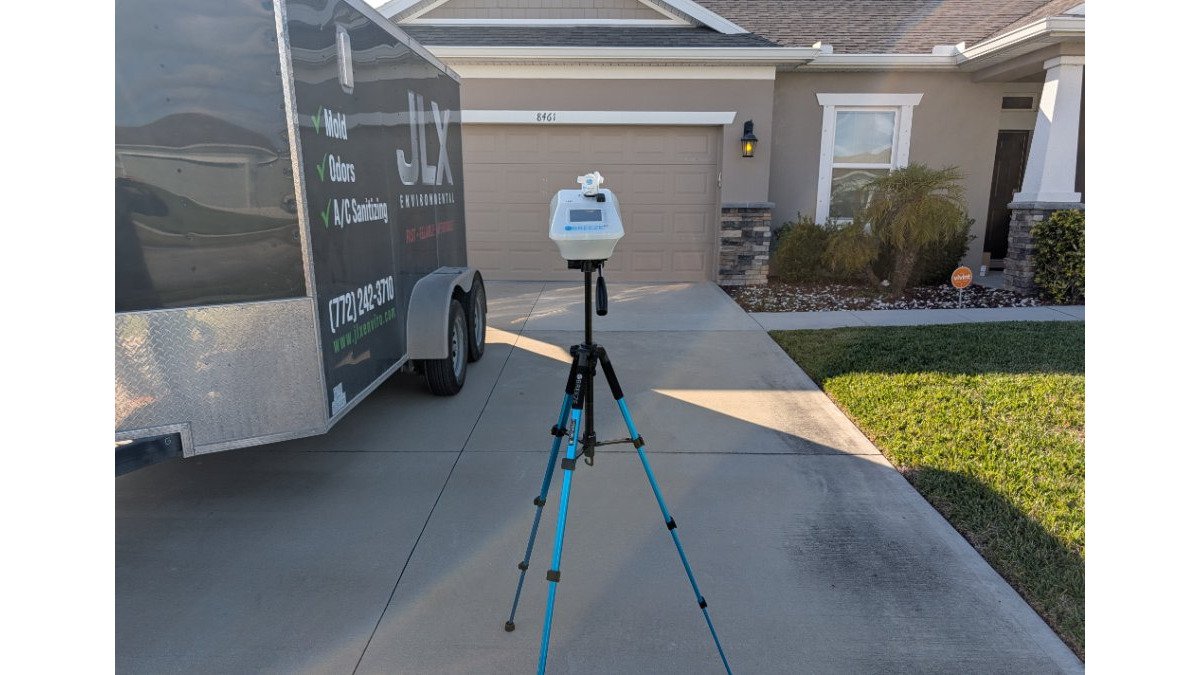
Post-remediation verification is an important part of confirming conditions after mold remediation. JLX Environmental performs post-remediation air testing after our remediation projects and submits the samples to an independent laboratory for analysis. We evaluate the laboratory results along with visual conditions to verify the effectiveness of the remediation work.
Insurance Coverage for Air Duct Mold Remediation
Whether insurance covers air duct mold remediation depends on the specific policy, endorsements, exclusions, coverage limits, and cause of the moisture or water intrusion. Some policies may provide coverage when mold results from a covered loss, while others limit or exclude mold-related coverage.
Because policies vary significantly, homeowners should avoid assuming that a particular type of water or mold damage will or will not be covered. Your insurance carrier or adjuster should make that determination based on the circumstances of the loss and the language of your individual policy.
Mold from ongoing moisture issues is typically excluded. Mold caused by:
- Chronic high humidity or poor ventilation
- Lack of maintenance (clogged condensation lines, dirty filters)
- Slow leaks that went unrepaired
- Inadequate insulation or ventilation design
- Normal condensation in crawlspaces or attics
...is usually considered a maintenance issue rather than a covered loss. Most standard homeowners policies exclude mold damage that results from conditions the homeowner should have prevented or addressed.
Policy language matters. Read your policy's exclusions section carefully. Some policies:
- Exclude all mold damage regardless of cause
- Cover mold only if it results from a covered water loss
- Cap mold coverage at a specific dollar amount (often $1,000-$10,000)
- Require that you report the loss within a set timeframe
- Exclude mold in crawlspaces, attics, or other non-living areas
Documentation strengthens your claim. If you believe your situation qualifies for coverage, document everything:
- Take photos of the mold and any water damage
- Note the date you discovered the problem
- Keep receipts for any temporary repairs or mitigation you undertake
- Get a written assessment from a licensed contractor describing what caused the mold
- Report the loss to your insurer promptly and in writing
Contact your insurer or adjuster directly. Insurance coverage varies significantly from policy to policy and company to company. Your best move is to contact your insurance agent or claims adjuster with specific details about what happened and when. Provide them with the contractor's assessment of the cause. They can tell you in writing whether your situation qualifies for coverage under your specific policy.
Don't assume you're not covered, and don't assume you are. Get clarity in writing before you commit to a remediation contractor. This protects you financially and helps you plan your next steps accurately.
Long-Term Prevention Strategies
Once mold is remediated, preventing regrowth depends on controlling moisture and maintaining your HVAC system.
Key prevention steps include:
- Control humidity, keep indoor humidity between 30% and 50%
- Fix leaks promptly, address any water intrusion near ducts or the air handler
- Ensure proper ventilation, your HVAC system should move air effectively without creating stagnant pockets
- Change air filters regularly, clean filters support airflow and reduce dust buildup
- Inspect ducts periodically, catch problems early before they spread
Mold thrives in damp, stagnant environments. A well-maintained HVAC system with good airflow and dry conditions is hostile to mold growth.
If your home has had moisture issues in the past, staying vigilant about humidity and ventilation pays off. Small preventative steps are far cheaper than major remediation.
Is Professional Mold Remediation Necessary?
Whether professional mold remediation is necessary depends on where the microbial growth is located, how extensive it is, what materials are affected, and what caused the moisture condition in the first place.
HVAC systems require particular care because air movement can distribute particles throughout the home. What appears to be a small area near a register may not represent the full condition inside the ductwork, plenum, air handler, or surrounding materials.
Professional evaluation is especially appropriate when:
- Visible microbial growth is present inside the HVAC system or ductwork
- Porous materials such as insulation, duct board, or internal duct lining are affected
- Growth appears in multiple areas of the system
- There is an ongoing moisture, condensation, or humidity problem
- Musty odors persist when the HVAC system operates
- The extent or source of the problem is uncertain
The appropriate solution should be based on the actual conditions found rather than assuming every HVAC mold issue requires the same service. Depending on the system and affected materials, recommendations may include cleaning, sanitizing, treatment, removal of affected materials, moisture correction, or a combination of these approaches.
Frequently Asked Questions
How much does air duct mold remediation typically cost?
Air duct mold remediation costs depend on the extent of growth, your HVAC system size, affected materials, and the scope of containment and removal work required. Factors like accessibility, whether ductwork needs replacement, and labor intensity all influence the final cost. Contact a licensed mold remediator for a quote tailored to your specific situation, as pricing varies significantly between properties.
What's the difference between air duct cleaning and mold remediation?
Air duct cleaning removes dust, debris, and general buildup from ductwork using vacuuming and sanitization. Professional mold remediation addresses active microbial growth through containment, removal of contaminated materials, treatment, and verification. Remediation is more involved than cleaning and typically required when visible mold or moisture conditions are present, not just routine maintenance.
Does homeowners insurance cover air duct mold remediation?
Insurance coverage for air duct mold remediation varies by policy and the cause of the mold. Some policies cover mold resulting from a sudden, accidental event like a burst pipe, while others exclude mold entirely or require specific riders. Coverage depends on your specific policy terms and whether the moisture source is considered a covered loss. Contact your insurance agent or adjuster to understand your coverage.
How do professionals verify successful mold remediation in air ducts?
Post-remediation verification may include visual evaluation and air sampling to assess conditions after remediation. JLX Environmental performs post-remediation air testing after our remediation projects and submits the samples to an independent laboratory for analysis. Laboratory results are evaluated along with visual conditions to help verify that the remediation work was effective.