Last Updated: November 15, 2026
Quick Summary
Air duct cleaning removes dust and debris from ductwork, but it is not always the right fix. A professional inspection should first check for moisture, staining, or growth, since cleaning alone will not solve a moisture source. Ask for a written quote that lists which registers, returns, and components are covered.
- Dust that returns within days of cleaning may point to causes beyond the ducts
- Visible mold or dark staining should be reported to a professional, not wiped away
- Moisture sources should be identified and corrected before any cleaning decision
- Confirm in writing whether the air handler and sanitizing are included in the quote
- Compare providers by the written scope of work, not just the price
Table of Contents
- Signs of Dirty Air Ducts to Watch For at Home
- How to Tell Whether Duct Cleaning Is Actually Needed
- The Air Duct Cleaning Process, Step by Step
- What Air Duct Cleaning Costs in Palm Bay and What Affects the Price
- Comparing Palm Bay Air Duct Cleaning Providers
- Palm Bay Humidity, Climate, and Maintenance Between Cleanings
- Booking Your Air Duct Cleaning in Palm Bay
- Frequently Asked Questions
Signs of Dirty Air Ducts to Watch For at Home
If you live in Palm Bay, air duct cleaning is often one of the first things you consider when your home's air starts to feel off. Dust that keeps coming back, a stale smell when the system kicks on, or visible debris around vents are common reasons homeowners look into it.
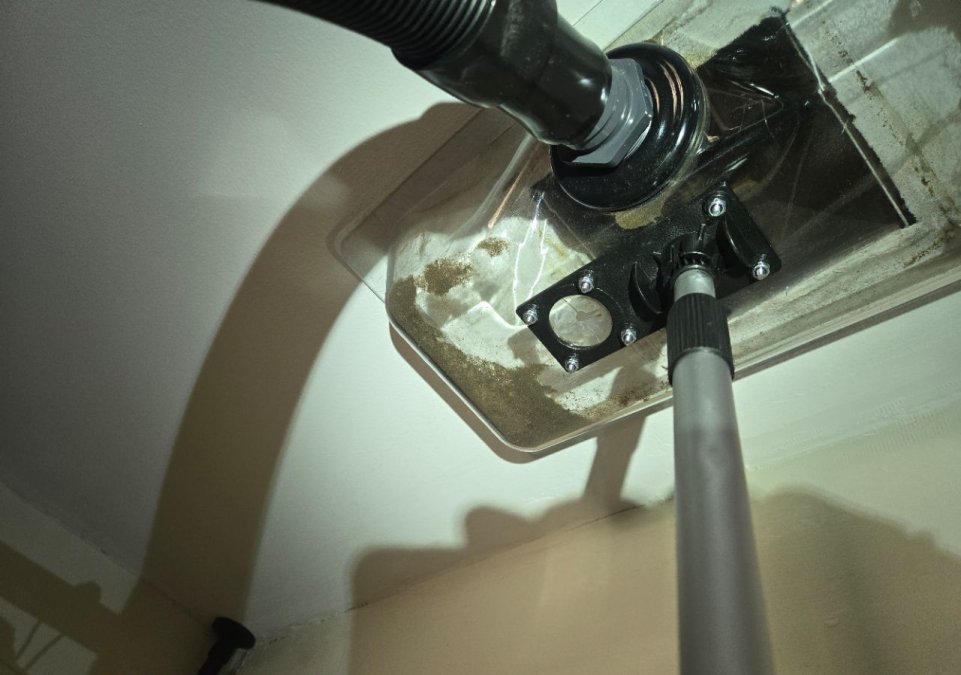
Start with what you can observe without tools. Look at supply registers and return grilles for dust buildup around the edges, lint clumped near the openings, or debris visible just inside the vent.
Some signs call for closer attention. Our guide to spotting the signs of mold in air vents explains what to look for and when to call for help.
A few observations are easy to make and useful to share with a provider:
- Dust that returns within days of cleaning surfaces
- Visible debris or lint inside vent openings
- Musty odors that strengthen when the system is running
- Dark spots or discoloration around registers
- Uneven airflow between rooms
None of these signs confirm what is happening inside the ductwork. They are reasons to look more closely. Use them to frame your questions when you contact a provider, and ask what the inspection will cover before work begins.
How to Tell Whether Duct Cleaning Is Actually Needed
Duct cleaning is not always the right answer. Many homes have dust problems that come from filters, rugs, or outdoor air entering through gaps in the building envelope. Before committing to a service, separate normal household dust from conditions that suggest contamination inside the system.
Start with simple checks. Replace the air filter and see whether the dust pattern changes over the next few weeks. Look for visible debris at accessible registers, and check whether the system has been serviced recently.
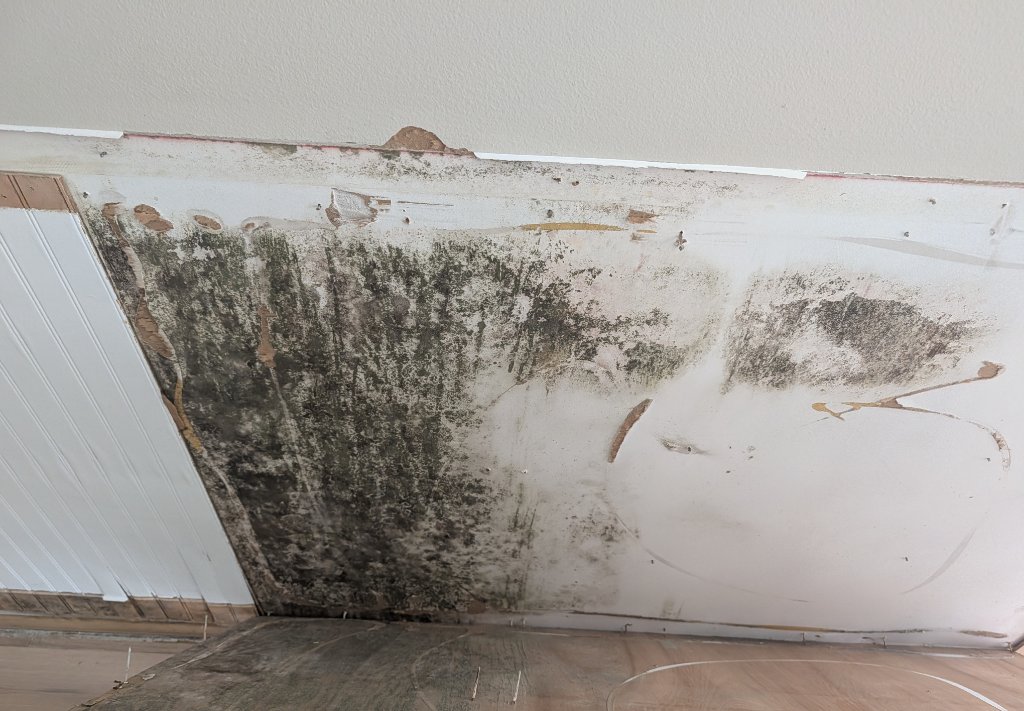
Moisture is a more serious question. Ductwork that has been wet, or that sits in areas with condensation, can develop growth that cleaning alone does not address. This is where a professional inspection matters.
Consider these questions when deciding:
- Is the issue limited to dust, or are there signs of moisture or growth?
- Have you recently changed the filter and seen no improvement?
- Is there a known water event, leak, or condensation problem near the system?
- Does the odor or dust change when the system runs versus when it is off?
A professional can often answer these questions during an inspection. If the findings point to growth or moisture, the next step may be remediation rather than standard cleaning. The right path depends on what is actually found.
The Air Duct Cleaning Process, Step by Step
Provider pages often list a service menu without explaining what happens in the home. Knowing the sequence of work helps you compare scopes.
A typical visit moves through several stages.
1. Inspection and condition assessment. The technician checks accessible registers, ductwork, filters, and air handler components to determine the appropriate cleaning scope.
2. Source control and setup. Cleaning dislodges debris, so the work area has to be managed.
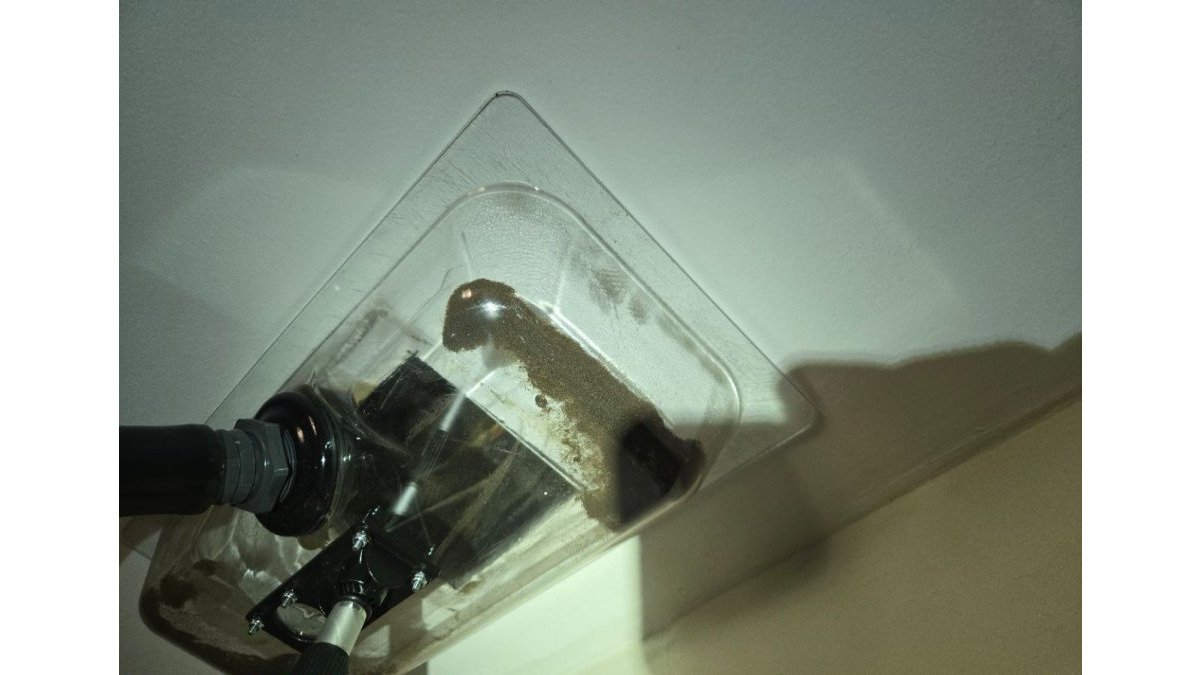
3. Mechanical agitation and debris removal. Specialized equipment loosens accumulated debris while vacuum collection equipment captures it to prevent redistribution into the home.
4. Component cleaning. The air handler and related components are part of the system even though they are not ductwork. Confirm in writing which components are included in your quote.
5. Sanitizing, if selected. Sanitizing is a separate step from cleaning and is not a substitute for removing debris.
6. Final review and documentation. Before the technician leaves, ask for a walkthrough.
A few practical notes on access. Some homes route ductwork through the attic, garage, or a chase.
For a fuller description of what the service covers, see air duct cleaning and sanitizing.
The table below summarises the stages of a typical air duct cleaning visit as described in this guide.
Step | What happens | Why it matters |
|---|---|---|
1. Inspection and condition assessment | Technician checks registers, air handler, filter slot and visible duct runs | Findings decide whether cleaning is appropriate |
2. Source control and setup | Work area is managed to keep dust contained | Cleaning dislodges debris |
3. Mechanical agitation | Duct runs are agitated while being vacuumed | Settled debris does not move on its own |
4. Component cleaning | Air handler and related components are addressed | Confirm inclusion in writing |
5. Sanitizing, if selected | Listed as a separate line item | Not a substitute for removing debris |
6. Final review and documentation | Walkthrough of cleaned areas and any findings | Makes the scope comparable across providers |
What Air Duct Cleaning Costs in Palm Bay and What Affects the Price
Understanding what drives the final figure lets you read a quote intelligently.
JLX Environmental provides quotes after the scope is understood, and you should expect the same from any provider you consider. Our overview of air duct mold remediation costs covers the factors that shape pricing and what to expect from a quote.
What typically drives the number:
- Number of supply registers and returns. The number of registers and returns in a home can affect the scope of work. Ask whether the quote covers all registers and returns in your home.
- System size and configuration. Multiple air handlers, zoned systems, and long trunk runs with many branches take more time and more access points.
- Accessibility. Ductwork in a conditioned attic with a walkable deck is faster to service than ductwork in a low crawlspace or a tight chase. Difficult access can add labor, and some providers price it separately.
- Condition of the system. Heavy buildup, debris from a renovation, or evidence of moisture means more time and possibly a different scope. This is where a low advertised price and a real quote diverge most often.
- Components included. Duct runs only, or duct runs plus the air handler and related components. Confirm which is which before comparing quotes.
- Add-on services. Sanitizing and access-point cutting and sealing may be listed as separate line items on a quote.
How to read a quote. A usable quote states the number of registers and returns covered, names the components included, lists add-ons with their own line items, states what is excluded, and describes what conditions would change the price. If any of those are missing, ask for them in writing before comparing it to another quote.
Questions worth asking before you book:
- Does the price cover the air handler and blower, or ductwork only?
- How many registers and returns are included, and what is the charge for additional ones?
- Is sanitizing included, optional, or priced separately?
- Are access openings cut and sealed as part of the job?
- What would cause the final price to differ from the quote?
- Is there a written scope I can keep?
On the mold side, JLX Environmental offers a Quote-Beat Guarantee: we will beat a comparable written mold-remediation quote from another Florida-licensed mold remediator by at least 10%. That guarantee applies only to comparable mold-remediation quotes from Florida-licensed remediators.
Insurance coverage varies by policy. Direct coverage questions to your insurer or adjuster.
Comparing Palm Bay Air Duct Cleaning Providers
Palm Bay homeowners have several options when hiring for air duct cleaning. Other providers may offer similar services, and the best fit depends on your home, your concerns, and how each company communicates.
Use a consistent set of criteria when you compare. Check whether the company is licensed and insured, and ask for proof. Read how the provider describes its process. A good provider will explain what the inspection covers and what cleaning includes, without pressuring you into services you do not need.
Pay attention to communication. Ask whether the technician will explain findings before starting work, whether they will document conditions with notes or photos, and how they handle situations where they find something outside the original request.
Here are questions worth asking any provider:
- What does the inspection include, and does it happen before cleaning?
- What is included in the written quote, and what is excluded?
- How do you handle moisture or growth if you find it?
- Are you licensed and insured for this type of work?
- What should I expect after the service is complete?
Compare answers, not just prices. A lower quote with an unclear scope may cost more in the end.
Palm Bay Humidity, Climate, and Maintenance Between Cleanings
Palm Bay's warm, humid climate creates conditions that can affect indoor air and HVAC systems year-round. High humidity, summer rain, and occasional condensation on ductwork can all contribute to moisture problems if they are not managed.
Maintenance between cleanings helps keep conditions stable. Replace air filters on a schedule that matches your household and filter type. Watch humidity levels inside the house, and address any leaks promptly, including around windows, doors, and the roofline.
Check condensate drains and the air handler area periodically. Standing water, staining, or a persistent smell near the unit deserves prompt attention. Keeping vents clear of furniture and rugs also supports proper airflow.
A regular inspection schedule helps catch problems early. Ask your HVAC provider or environmental service company how often they recommend checking the system based on your home's age and exposure.
Booking Your Air Duct Cleaning in Palm Bay
If the signs and checks above point toward a professional visit, the next step is to request a quote. Gather details before you call: the age of the home, the last time the system was serviced, any visible signs you have noticed, and any known moisture or leak history.
JLX Environmental serves homeowners, landlords, property managers, and commercial properties across Florida's Treasure Coast and Space Coast. We perform air duct cleaning and sanitizing, and can evaluate whether the problem is limited to cleaning or involves something more.
If your inspection reveals a larger concern, JLX Environmental also provides licensed mold remediation. Following remediation in occupied interior areas, we perform post-remediation air testing and submit samples to a laboratory for analysis. For attics and crawlspaces, verification is visual and condition-based rather than through air sampling. Customers may also request independent third-party verification.
When you are ready to move forward, request a written quote from JLX Environmental at https://www.jlxenviro.com/contact. Ask for the scope of work in writing, review what is included, and make sure your questions are answered before booking.
Frequently Asked Questions
What are the warning signs my air ducts need cleaning?
Common signs include visible dust or debris blowing out of supply registers when the system runs, a buildup of dust on surfaces soon after cleaning, a musty or stale smell that persists even after the air handler is serviced, and visible debris or moisture staining inside accessible vents. Pet hair or lint accumulating around returns can also point to a heavy dust load. These signs are worth checking, but they do not confirm a problem on their own. A technician can inspect the ducts directly and explain what is actually present before you decide on cleaning.
How do I know if a duct cleaning provider is trustworthy?
Look for a provider that is licensed and insured, can explain the scope of work in plain terms, and gives a written quote that itemizes what is included. Ask whether the technician will inspect the system before recommending any work, and whether they will show you what was found. Be cautious of providers who advertise extremely low prices, pressure you into add-on services during the first call, or cannot describe their cleaning method.
What is the difference between duct cleaning and sanitizing?
Duct cleaning removes the dust, debris, and loose material that collects inside the ductwork and air handler. Sanitizing is a separate step that applies a treatment intended to reduce microbial growth on cleaned surfaces. Sanitizing is not a substitute for cleaning, and it only makes sense after the surfaces have been cleaned. Whether sanitizing is appropriate depends on the condition of the system, so ask the provider what they would apply and why.
How often should air ducts be inspected for cleanliness?
There is no single schedule that fits every home. Inspecting the ducts periodically, often when you change HVAC filters, lets you catch heavy dust buildup or visible debris early. Homes with pets, renovation dust, or high humidity may need more frequent checks. A technician can recommend an interval based on what they find during an inspection. Keeping filters clean and addressing moisture sources between cleanings also reduces how quickly debris accumulates.
