Last Updated: November 9, 2026
Quick Summary
Air duct cleaning in Vero Beach FL removes accumulated dust, pet hair, and outdoor particles from return and supply ducts, then cleans registers, grilles, and accessible air handler surfaces. A thorough job uses mechanical cleaning with negative-pressure vacuum capture, not a blower-only approach. Cleaning is worth considering when you see visible debris, musty odors, or recent renovation dust.
- Coastal humidity and long AC run times let dust and moisture move through Vero Beach ductwork.
- Ask each provider to break out vent counts, air handler scope, method, and access points in writing.
- Duct cleaning does not repair damaged flex duct, reseal leaky joints, or replace crushed runs.
- Cleaning is needed when there is visible evidence of buildup, not on a fixed calendar.
- Confirm licensing and insurance, request the scope in writing, and ask about before-and-after photos.
Table of Contents
- Why Vero Beach Homes Need Air Duct Cleaning
- The Air Duct Cleaning Process Step by Step
- How to Compare an Air Duct Cleaning Quote
- How Long Does Air Duct Cleaning Take?
- When Duct Cleaning Is Actually Needed
- Duct Cleaning and Mold Concerns in Florida Homes
- Choosing an Air Duct Cleaning Provider in Vero Beach
- Booking Your Air Duct Cleaning Visit
- Frequently Asked Questions
Why Vero Beach Homes Need Air Duct Cleaning
Air duct cleaning in Vero Beach FL is worth understanding in the context of the local climate. Coastal humidity can run high for much of the year, and air conditioners often run for long stretches, which means dust and moisture can move through the same ductwork that carries your cooled air. This guide explains what a thorough cleaning involves, how to read a quote, and when the work is worth considering.
The key point most homeowners miss: your ducts are not a sealed, self-cleaning system. Return ducts pull in household dust, pet hair, and outdoor particles, and supply ducts push conditioned air back into every room. Over time, that buildup settles on duct walls and interior insulation.
In warm coastal climates, AC systems may run for much of the year, which means more air cycles through the system than in a home with a seasonal break. The U.S. Environmental Protection Agency's guidance on air duct cleaning makes a useful distinction: dirty ducts are not automatically a health problem, and cleaning should be based on actual conditions, not a sales pitch.
The Air Duct Cleaning Process Step by Step
A professional air duct cleaning follows a defined sequence. The goal is to remove accumulated debris from the system, not just blow dust around the house. The steps below describe what a thorough residential job may involve; the exact sequence and equipment vary by provider and by the system in front of them.
1. Inspection and condition assessment. Before cleaning begins, a technician may check accessible ductwork, registers, the return side, and the air handler. This is where the scope is typically set: how many runs are accessible, whether flex duct is intact, whether there is visible growth or moisture, and whether the air handler needs attention.
2. System setup. A key goal of the process is keeping loosened debris from migrating into living space. Practitioners may connect a vacuum to the main trunk or a dedicated access point, and registers and grilles are typically removed or covered during work.
3. Access points. Ducts are not designed with cleaning in mind, so access matters. Technicians may work through registers, the air handler cabinet, and, where needed, access openings. Ask how access will be created and how it will be closed up.
4. Mechanical cleaning. Loosening buildup from duct walls is generally a key part of a thorough cleaning, as distinct from a "blow and go" approach that pushes dust through the system without capturing it.
5. Component cleaning. Registers, grilles, diffusers, and accessible air handler surfaces may be cleaned as part of the scope.
6. Sanitizing, when appropriate. An antimicrobial treatment may be applied depending on conditions. It is not a substitute for removing the source of contamination.
7. Verification and documentation. Some providers offer before-and-after photos or video of accessible duct interiors and notes on conditions found, which can give you a record to keep.
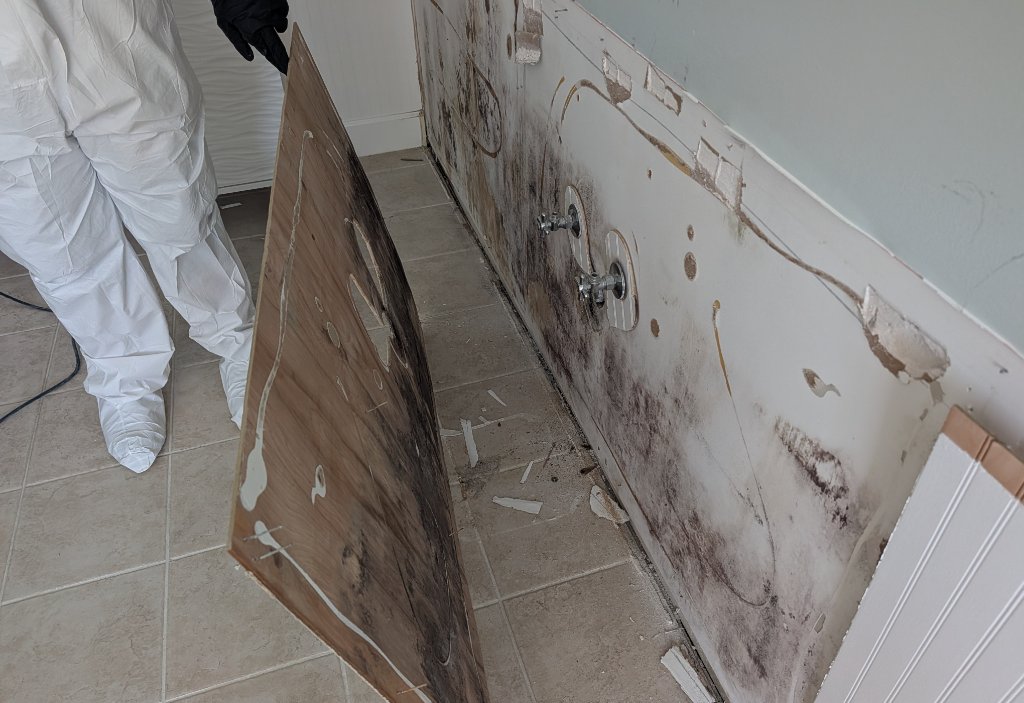
The scope of work matters as much as the equipment list. Ask what will be cleaned, what will be left alone, and whether the air handler is included. You can review what professional air duct cleaning and sanitizing covers to see how scope is defined.
How to Compare an Air Duct Cleaning Quote
Comparing air duct cleaning quotes is mostly an exercise in reading carefully. Two quotes with very different totals often describe very different jobs, so the headline number tells you little until you know what it covers.
Most residential quotes are built from a few moving parts. Ask each provider to break these out in writing rather than quoting a single lump sum:
Line Item | What to Confirm |
|---|---|
Supply vents and returns counted | The exact count, not a range or "up to" |
Air handler / plenum included or excluded | Often the single biggest scope difference |
Cleaning method described | Mechanical brush and negative-pressure vacuum versus a blower-only approach |
Access points | Whether they will cut access holes where needed and how they seal them afterward |
Sanitizing | Included, optional add-on, or not offered |
Dryer vent | Separate service or bundled |
Before-and-after documentation | Photos or video of accessible duct interiors |
Disposal and cleanup | Who removes debris and restores registers |
Some providers quote a per-vent rate that may increase once work begins, for example for the air handler, returns, sanitizing, or heavy buildup. Such charges should be disclosed before work begins. Get the full scope and the total in writing, and confirm whether the quoted figure is a firm price or a starting point. You can review what drives air duct mold remediation costs to understand the factors behind the pricing.
A quote that counts only supply vents, or that prices "per vent" without stating how returns and the air handler are handled, may cover less of the system than it appears to.
It also helps to ask what the provider will not do. Duct cleaning does not repair damaged flex duct, reseal leaky joints, or replace crushed runs, those are separate scopes, and a provider who blurs them into a cleaning quote is worth questioning. If moisture or visible growth is part of what you're seeing, the conversation shifts toward licensed mold remediation, and the scope should reflect the materials and conditions involved rather than a standard cleaning package.
Finally, compare on documentation, not just price. A provider who photographs accessible duct interiors before and after, and who explains what was found, gives you something to evaluate. A provider who hands you a receipt with no record of condition gives you nothing to compare against the next quote.
How Long Does Air Duct Cleaning Take?
Residential air duct cleaning time depends on the size of the home, the number of vents and returns, and how much buildup is present. A small home with a straightforward system generally takes less time. Larger homes, multiple systems, or heavy contamination typically take longer.
Commercial HVAC cleaning often takes longer than residential work because the systems are larger.
Scheduling can be planned around your needs, and the work itself is not limited to a particular season. If you're planning ahead, this guide on how often to sanitize air ducts helps you set a realistic interval.
When Duct Cleaning Is Actually Needed
Duct cleaning is needed when there's visible evidence of buildup or contamination, not on a fixed calendar. That's the honest answer, and it's the one that saves homeowners money.
Common signs include:
- Visible dust or debris blowing from registers when the system starts
- Musty or stale odors when the AC runs
- Visible growth on or around vents and grilles
- Recent renovation or construction dust
- Pest activity inside ductwork
- A system that has never been cleaned and shows heavy accumulation
If none of those apply, cleaning can usually wait. If you're unsure what you're seeing, this roundup of signs of mold in air vents walks through what to check before calling anyone.
Duct Cleaning and Mold Concerns in Florida Homes
Mold concerns around ductwork deserve a careful answer. Mold requires moisture to grow (the EPA). When humid air meets a cool duct surface, condensation can form, which can create conditions for growth (the EPA).
Air sampling is one tool, not a verdict. Sampling results are interpreted alongside visual observations, moisture conditions, and building history. Sampling alone does not confirm the source, location, or extent of growth, and it does not decide whether remediation is necessary.
If growth is confirmed on porous duct materials, cleaning may not be enough. Depending on the scope, licensed mold remediation may be the appropriate path, and the right answer depends on the materials and conditions involved.
Health questions belong with a healthcare professional. Our work stays focused on building conditions.
Choosing an Air Duct Cleaning Provider in Vero Beach
When choosing a provider, confirm licensing and insurance, ask for the scope in writing, and check that the company serves your address.
A short checklist before you book:
- Confirm the business carries appropriate insurance and any licenses required for the specific work being performed
- Ask whether the air handler is included
- Request the scope of work in writing
- Ask about before-and-after photos
- Confirm the provider serves your area
- Read recent local reviews
JLX Environmental is based in Fellsmere and serves the Treasure Coast and Space Coast, including Vero Beach. As a licensed mold remediator, JLX approaches its work by assessing the actual condition, defining the scope, and performing the services the property needs. You can check the Vero Beach service area to confirm coverage and request a quote.
Booking Your Air Duct Cleaning Visit
Booking starts with a conversation about your system, not a price list. Tell the provider the number of vents and returns, whether the air handler needs attention, and what you've observed.
Before the visit:
- Clear access to registers and the air handler
- Note any rooms with heavy dust or odors
- Have your questions ready about scope
After the visit, ask for documentation of what was cleaned and any conditions found. That record matters if you ever need follow-up work.
Air that smells stale or vents that dust over quickly usually point to a system that needs attention, and guessing at the cause wastes time. At JLX Environmental, we assess the actual condition of your ductwork, explain what we find, and define a scope that fits. We're licensed and insured, family-owned, and we back our work with clear, no-pressure quotes. Get started with JLX Environmental and book an air duct cleaning visit that addresses what your system actually needs.
Frequently Asked Questions
How much does air duct cleaning cost in Florida?
Pricing depends on the size of the home, the number of supply and return vents, how accessible the ductwork is, and how much buildup is present. Providers may quote per vent, per system, or as a flat project fee, so ask for an itemized written quote that lists what is included. For a quote based on your property, contact JLX Environmental.
How do I know whether my air ducts need cleaning?
Visible dust or debris inside the vents, a musty odor when the HVAC runs, recent renovation work, or a system that has not been cleaned in many years are reasonable reasons to have the ductwork inspected. Cleaning is not automatically necessary just because a provider says so. Ask for a visual inspection first and a clear explanation of what was found before agreeing to any work.
What should I ask before hiring an air duct cleaning company?
Ask what equipment and method they use, whether the quote is itemized, whether they inspect before quoting, and how they protect floors and furnishings. Confirm they are licensed and insured, and ask whether they document before-and-after conditions. A provider that cannot explain its scope of work in plain terms is worth skipping.
Can air duct cleaning help with mold in the HVAC system?
If mold growth is visible on duct surfaces or components, duct cleaning and sanitizing may be part of a broader remediation scope, but cleaning alone does not fix the moisture source that allowed growth. Air sampling is one source of information and does not by itself prove the presence, absence, or extent of mold. A provider should evaluate the HVAC configuration and moisture conditions before recommending a scope.
