Last Updated: October 23, 2026
Quick Summary
Mold remediation Fellsmere FL is the licensed process of containing active mold growth, removing or cleaning affected materials, and verifying conditions afterward. The work starts with finding the moisture source, since mold is a symptom of an unfixed moisture condition, and Florida requires a licensed mold remediator to perform it.
- Florida requires remediation to be performed by a licensed mold remediator, and the license number should appear on the quote.
- A written quote should name affected areas, what is removed versus cleaned, containment, and how work is verified.
- Most residential remediation jobs run from one day to several days, with duration following the scope found on inspection.
- JLX performs post-remediation air testing for normal occupied interior work and submits samples to a laboratory.
- JLX does not perform air sampling or post-remediation air testing inside crawlspaces or attics; verification there is visual.
Table of Contents
- Mold Remediation Fellsmere FL: What the Work Actually Involves
- Mold Testing Fellsmere FL: When Sampling Helps and When It Doesn't
- Getting a Mold Remediation Quote in Florida: What Should Be in It
- Mold Remediation Duration: What Drives the Timeline
- Post-Remediation Verification for Mold: What Happens After the Work
- Comparing Remediation Approaches: DIY, Handyman, and Licensed Remediator
- Choosing a Mold Remediation Provider in Fellsmere
- Frequently Asked Questions
Mold Remediation Fellsmere FL: What the Work Actually Involves
Professional mold remediation in Fellsmere, FL, involves identifying moisture conditions, containing affected areas when necessary, removing or cleaning mold-contaminated materials, and evaluating the results after the work is complete. The goal is to address the existing contamination while helping prevent the conditions that allowed mold to develop in the first place. You can see the full licensed mold remediation done right service and what it covers.
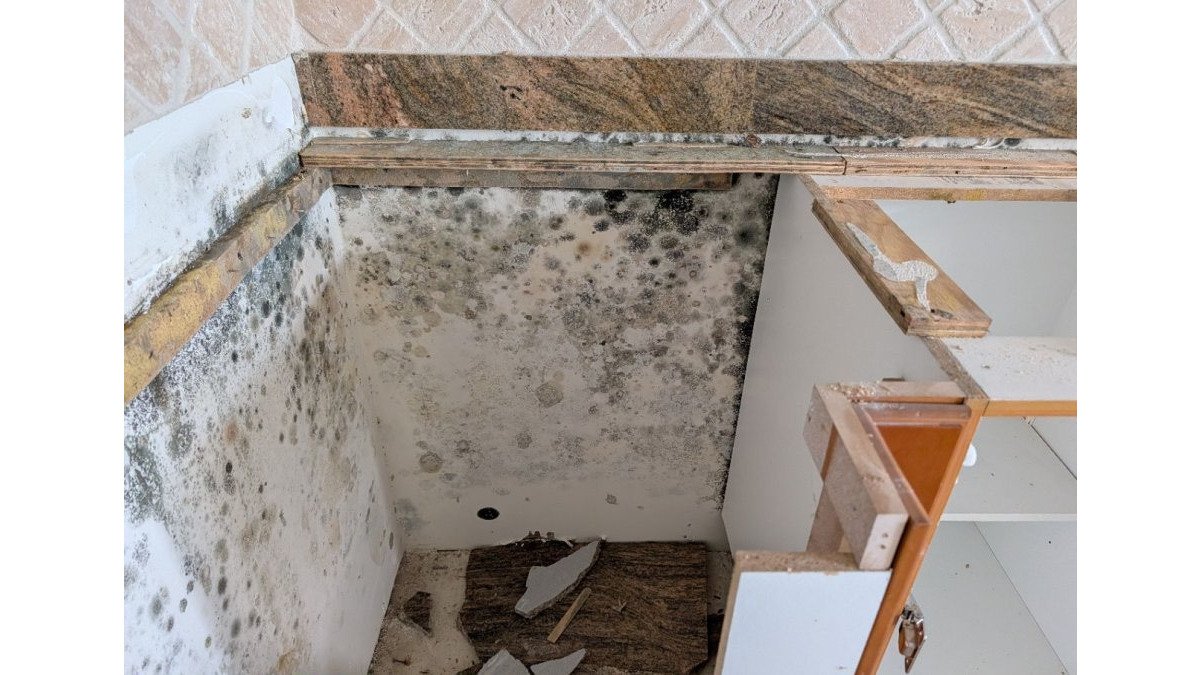
Here is the part most homeowners get wrong. The growth you see on drywall or trim is responding to a moisture condition that has not been fixed yet. EPA guidance on mold and moisture control makes the same point plainly: control the moisture and the mold problem stops coming back.
Why Fellsmere and the Treasure Coast See So Much Mold
Warm, humid air is the baseline here, not the exception. Fellsmere sits in a stretch of Florida where humidity stays high most of the year, air conditioning runs nearly nonstop, and afternoon storms push water against older roofs and windows.
That combination creates predictable trouble spots:
- Condensation on cold supply ducts and interior walls
- Slow leaks around windows, flashing, and roof penetrations
- Crawlspaces and attics that trap humid air
A common mistake is treating a musty odor with spray and air freshener. The smell comes back because the moisture source was never addressed.
Mold Testing Fellsmere FL: When Sampling Helps and When It Doesn't
Mold sampling is optional in most cases (the EPA). Visible mold on a known surface usually tells you what you need to know: growth is present, and the moisture behind it needs fixing. Air testing becomes more useful when the source is unclear, when occupants or a buyer want documentation, or when a scope of work needs a baseline.
We offer mold testing in Fellsmere as a standalone service, and we are direct about when it adds value and when it does not.
What Air Sampling Can and Cannot Tell You
Air sampling is one source of information, not a verdict. It cannot tell you where growth is hiding, how far it has spread, or whether remediation is necessary on its own.
If you want to see how the process runs from setup to lab report, what happens during mold air sampling walks through it step by step. What sampling will not do is give you a pass or fail answer, and any provider who frames it that way is overselling.
Getting a Mold Remediation Quote in Florida: What Should Be in It
A written mold remediation quote should name the affected areas, describe what will be removed versus cleaned, explain containment and filtration for the scope, and state how the work will be verified at the end.
Florida requires mold remediation to be performed by a licensed mold remediator, and the license number should appear on the quote. Florida Department of Business and Professional Regulation mold licensing maintains the licensing records you can check.
What Actually Drives the Number
Most remediation quotes are not built from a flat rate. They are built from scope, and scope is built from a handful of variables. Understanding them is how you tell a real quote from a guess:
- Affected square footage and depth. Growth on the face of drywall is a different job than growth that has moved into the cavity behind it, the insulation, or the framing. The quote should say which surfaces are affected and how far the material removal is expected to go.
- Material types. Porous materials such as drywall, insulation, and some ceiling tiles typically cannot be cleaned and are removed. Solid surfaces such as tile, glass, metal, and sealed concrete can often be cleaned. The mix of the two moves the number more than almost anything else.
- Access and setup. A first-floor bathroom is easier to reach than a crawlspace, a finished attic, or a closet packed with stored items. Access affects labor hours and how containment is built.
A quote that lists a single lump sum with no scope is not a price, it is a placeholder. You cannot compare it to anything, and you cannot tell later whether the work matched what was promised.
Questions That Separate a Real Quote from a Guess
When you read a written quote, look for these answers on the page:
- Which rooms or areas are affected, and which materials are being removed versus cleaned?
- What containment and filtration are planned for this scope?
- Is the moisture source identified, and who is responsible for addressing it?
- Is post-remediation verification included, and what does it involve?
- What happens if the scope changes once work begins, how is that documented and priced?
If a provider cannot answer those in writing, the quote is not ready to compare. Our guide on what to know before hiring a mold remediator covers post-remediation verification and insurance questions in more detail.
How the Quote-Beat Guarantee Works
Our Quote-Beat Guarantee is narrow on purpose: we will beat a comparable written mold-remediation quote from another Florida-licensed mold remediator by at least 10%. Comparable means similar scope, similar materials, and similar verification. It does not apply to handyman quotes, unlicensed work, or jobs that are not remediation.
Bring us the written quote and the scope. That is the whole process.
Mold Remediation Duration: What Drives the Timeline
Most residential remediation jobs run from one day to several days. The honest answer is that duration follows scope, and scope follows what the inspection finds. Two homes with the same square footage of visible growth can land on very different schedules, and the reasons are usually structural rather than cosmetic.
The Variables That Move the Schedule
- Affected area size and depth. A single bathroom wall is a different job than a finished basement or a ceiling assembly with growth in the cavity. Depth matters as much as width: surface growth on drywall is faster to address than growth that has reached insulation and framing.
- Material type. Porous materials like drywall and insulation typically come out, which means demolition, bagging, and disposal. Solid surfaces can often be cleaned in place, which is faster. The ratio of the two drives labor hours.
- Access and occupancy. Furniture, stored items, and tight crawlspaces slow setup. A cleared room moves faster than a packed one, and a crawlspace with limited entry takes longer to work in than an open interior wall.
Why Local Conditions Stretch Timelines
In this part of Florida, humidity stays high most of the year and air conditioning runs nearly nonstop. First, moisture that has been feeding growth is often spread across more than one area than the visible patch suggests, so the inspection can expand the scope once walls are opened. Second, closed-up properties, vacation homes, rentals, units between occupants, tend to have broader conditions because the moisture had time to spread without anyone noticing.
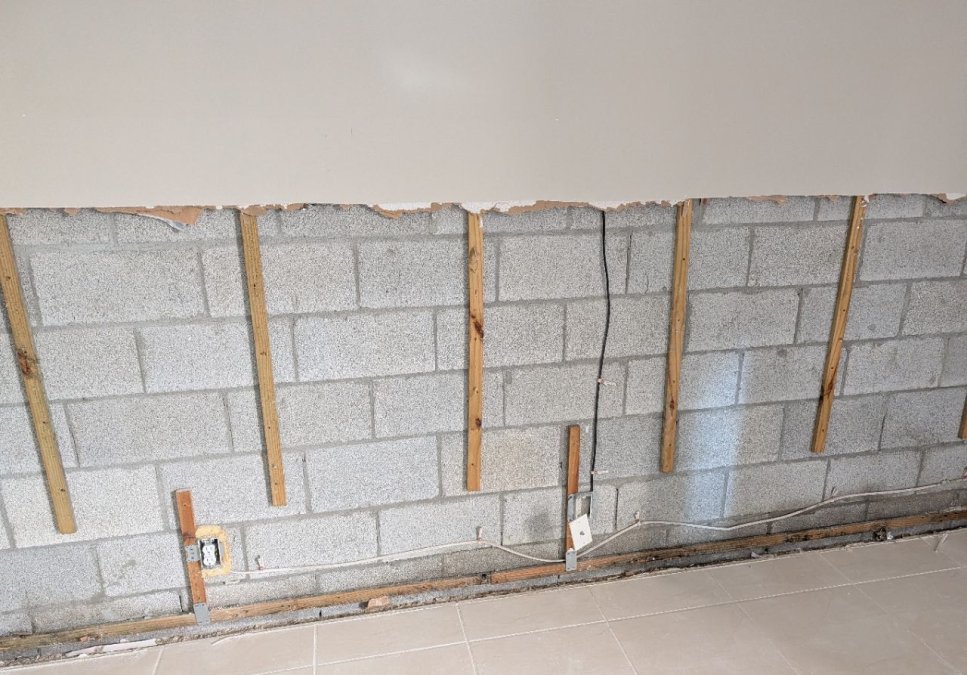
A common pattern is a job that starts as a single-wall removal and grows by a day once the cavity behind it is opened and the extent is clearer.
If you are wondering why one neighbor's job took a day and yours is quoted at three, containment and setup are usually the reason. Our overview of why containment matters during mold removal explains how barriers and negative air pressure shape both the schedule and the result.
Post-Remediation Verification for Mold: What Happens After the Work
Post-remediation verification helps determine whether the affected areas have been properly cleaned and the remediation objectives have been met.
For normal occupied interior remediation projects, JLX Environmental performs post-remediation air testing and submits the samples to a laboratory for analysis. Results are evaluated alongside visual observations and moisture conditions to provide a more complete understanding of the property's condition after remediation.
Laboratory results are not a guarantee that a property is mold-free or that mold will never return. Correcting the underlying moisture source remains essential.
Homeowners who prefer independent third-party verification may arrange for a separate qualified professional to perform that assessment.
Important: JLX Environmental does not perform air sampling or post-remediation air testing inside attics or crawlspaces. Verification in those areas is visual and condition-based.
Comparing Remediation Approaches: DIY, Handyman, and Licensed Remediator
Not every spot of mold needs a contractor.
Approach | Best For | Limitations |
|---|---|---|
DIY cleaning | Minor surface growth on non-porous materials, moisture source already fixed | Not suitable for porous materials, large areas, or HVAC involvement |
Handyman | Cosmetic repairs, painting, general punch-list work | Not licensed for remediation; no verification or documentation |
Licensed remediator | Porous materials, significant growth, HVAC systems, crawlspaces, attics, real estate transactions | Higher cost than DIY; scope must be defined in writing |
Licensed remediator with verification | Situations requiring documentation of post-work conditions | Lab turnaround adds time to the schedule |
The line we draw: once porous materials are involved, once the area is larger than a small patch, or once you cannot identify the moisture source, professional remediation is the right call.
If you are weighing testing against remediation, the short version is that testing informs the scope but does not replace it. Many properties go straight to remediation based on visible conditions alone.
Choosing a Mold Remediation Provider in Fellsmere
Ask three questions before you hire anyone: Are you licensed in Florida, and what is your license number? What exactly is in the written scope? How will the work be verified when it is done?
A licensed provider will answer all three without hesitation. A provider who talks about "treating" mold without discussing moisture, or who quotes a number before seeing the property, is telling you something about how the job will go.
We are family-owned, based in Fellsmere, and we serve the Treasure Coast and Space Coast from Hobe Sound north through Mims.
When you are ready to compare, request a free written quote and we will put our number against a comparable licensed quote.
Mold in a Florida home is rarely just a cleaning problem, and it is rarely solved by guessing at the scope.
Frequently Asked Questions
How do I choose a mold remediation company in Fellsmere?
Check that the company holds a Florida mold remediation license and can show it. Ask what the written scope covers: which materials are affected, how containment will be handled for your layout, and whether post-remediation air testing is included. Get the quote in writing so you can compare line by line rather than by total alone. A local provider should also be able to explain how your moisture source will be identified, since remediation without addressing the source usually leads to the same problem returning.
Is mold testing needed before remediation?
Not automatically. Visible mold and a known moisture source often give enough information to define a scope of work without pre-remediation air sampling. Testing can help when the source is unclear, when occupants or a property transaction require documentation, or when you want a baseline before work begins. Air sampling results are one piece of information, interpreted alongside visual observations and moisture conditions, not a stand-alone verdict on whether remediation is necessary.
How long does mold remediation usually take?
Mold remediation timelines depend on the extent of contamination, affected materials, accessibility, containment requirements, and the complexity of the work. A small, localized remediation project may take approximately one to three days, while larger projects involving extensive material removal or HVAC components may take longer. Laboratory turnaround for post-remediation samples can add time before final results are available. Your remediator should explain the anticipated schedule when providing your written quote.
What happens during post-remediation verification?
For normal occupied interior work, post-remediation air testing is performed after remediation and samples are submitted to a laboratory for analysis. Results are read together with visual and condition-based observations, not as proof that a property is mold-free. Customers may also choose an independent third-party verifier, though that is not required. Crawlspaces and attics are verified visually, since air sampling is not performed in those spaces.
