Table of Contents
- What Mold Remediation Actually Involves
- Understanding the Mold Remediation Process
- When Mold Testing and Inspection Are Appropriate
- Post-Remediation Verification: Confirming the Work
- Mold Remediation Insurance Coverage in Florida
- Choosing a Licensed Mold Remediation Specialist
- Preventing Mold After Remediation
- Frequently Asked Questions
Last Updated: October 12, 2026
What Mold Remediation Actually Involves
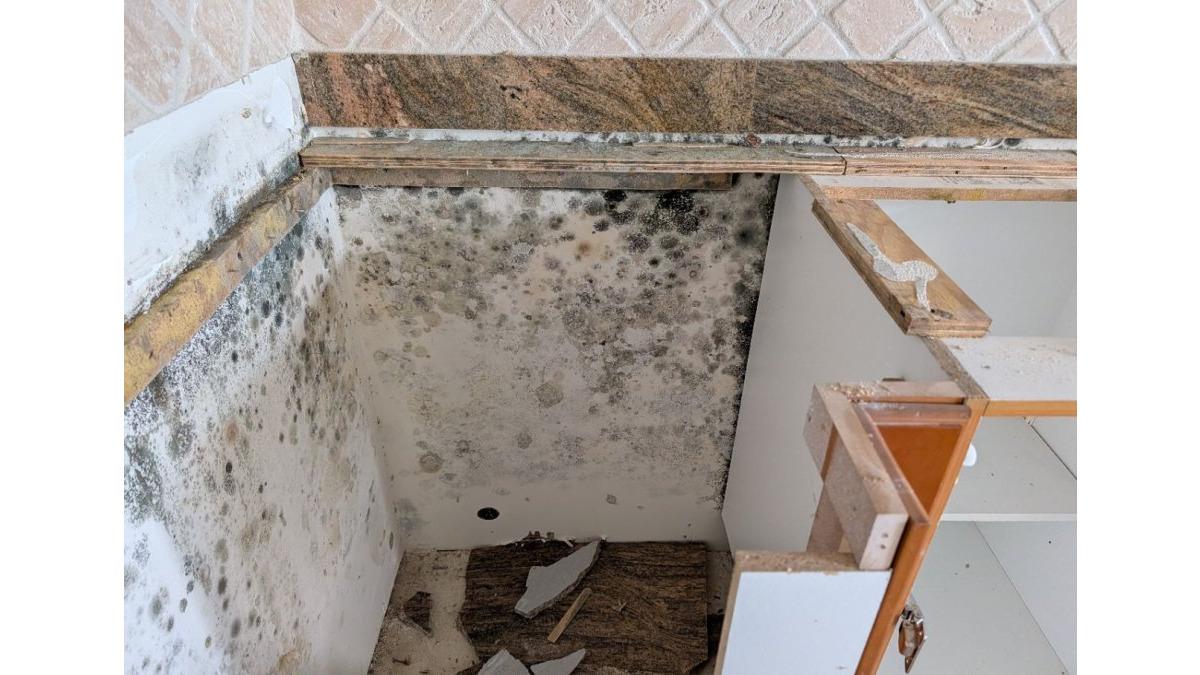
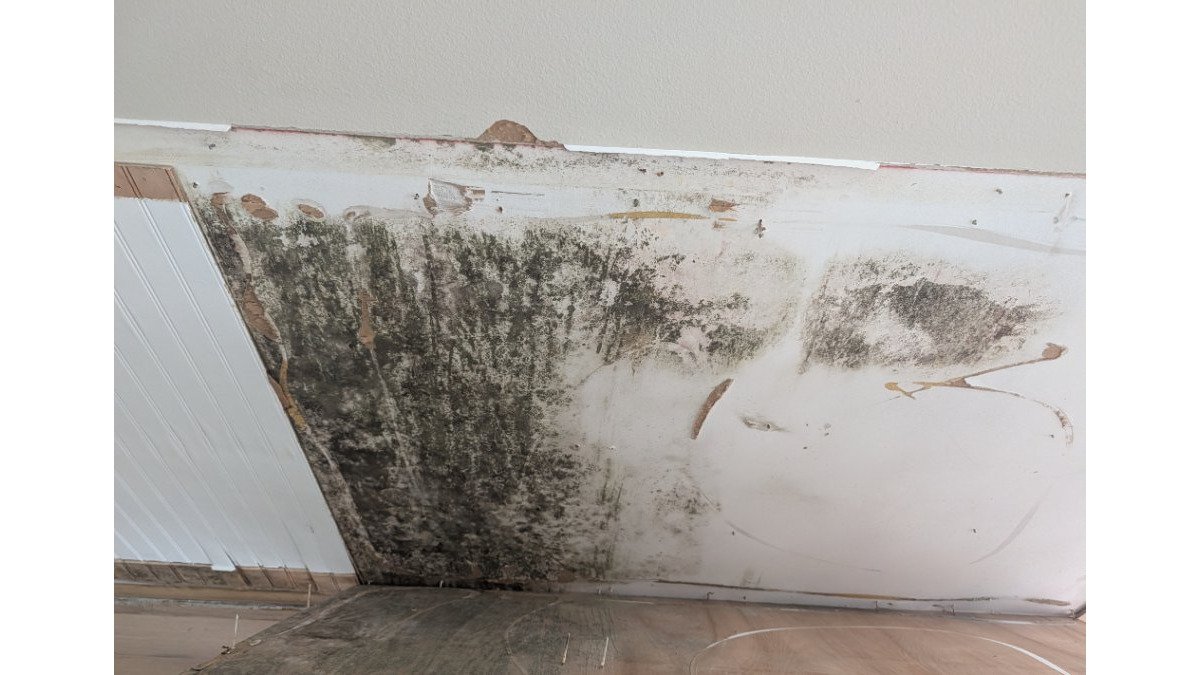
Mold remediation involves removing or treating mold-affected materials, cleaning contaminated surfaces, and using containment when appropriate. Identifying and correcting the underlying moisture problem is also essential to preventing recurring growth, although repairs to plumbing, roofing, or other building systems may require separate contractors.
At JLX Environmental, we approach mold remediation as a condition-based service.
Most homeowners discover mold through visible growth, a musty odor, or moisture damage found during routine maintenance. The key question is not always whether mold is present, but whether the conditions that created it are still active.
Understanding the Mold Remediation Process
Mold remediation typically follows a structured approach, though the steps vary with the scope and location of the contamination.
Assessment and Moisture Identification
The first step is a thorough evaluation of the affected area and the underlying cause.
Moisture identification is critical because treating mold without addressing its source is temporary. Common sources include roof leaks, plumbing failures, poor drainage, high indoor humidity, and condensation. Identifying them early prevents remediation from becoming a recurring expense.
When moisture sources involve structural issues like roof damage or foundation problems, those repairs fall outside the scope of mold remediation.
Containment and Removal
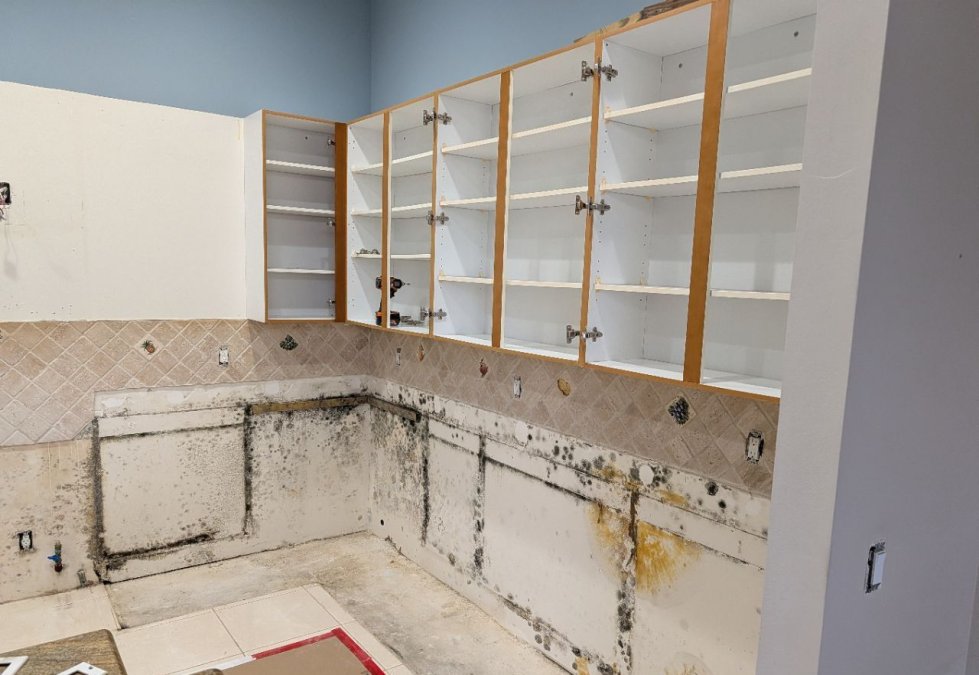
Depending on the extent and location of mold growth, containment may be necessary during removal to prevent spores from spreading to unaffected areas. Minor surface mold on non-porous materials may require minimal precautions, while more extensive contamination in porous materials typically requires more comprehensive containment.
Mold remediation may involve removing affected materials or cleaning and treating materials that can be successfully remediated in place. Mold-contaminated drywall, insulation, and certain other porous materials often require removal, depending on their condition and the extent of contamination. Structural wood and other suitable materials may be cleaned and treated rather than automatically removed. The appropriate method depends on the material, contamination, and site conditions.
Cleanup and Restoration
Following material removal and other necessary remediation work, affected areas are cleaned using appropriate methods, including HEPA vacuuming and surface cleaning or treatment. Once remediation and applicable post-remediation verification are complete, reconstruction or replacement of removed building materials can be performed by the appropriate contractor. JLX Environmental focuses on remediation rather than reconstruction or restoration repairs.
When Mold Testing and Inspection Are Appropriate
Whether you need mold testing before remediation depends on your specific situation.
If mold is visible, testing is often unnecessary. Visible growth already indicates a problem that needs addressing, and testing does not change that.
Mold testing becomes more relevant when you suspect hidden mold but cannot locate it visually, when investigating indoor air quality concerns, or when verifying conditions after remediation.
Air sampling results should never be described as absolute proof of safety or contamination. Laboratory analysis shows spore types and concentrations, but interpreting results requires context.
Post-Remediation Verification: Confirming the Work
After mold remediation is complete, many property owners want confirmation that conditions have been restored. Post-remediation verification evaluates the remediated area to confirm it is clean and moisture conditions are controlled.
For interior remediation projects, JLX Environmental performs post-remediation air testing and submits samples to an independent laboratory for analysis. For crawlspace and attic remediation, verification is based on visual inspection and site conditions rather than air sampling within those spaces.
Laboratory results provide useful information about post-remediation conditions when reviewed alongside visual inspection and moisture assessment, in context with prior conditions and current findings.
Mold Remediation Insurance Coverage in Florida
Insurance is where mold projects most often stall. Here is how mold claims are usually structured, what documentation matters, and what to ask before you authorize work.
The distinction that drives most decisions
Homeowners policies generally treat mold differently depending on how the moisture got there. Mold from a sudden and accidental discharge, a failed supply line, a ruptured water heater, is more often considered than mold from a slow leak, long-term condensation, or chronic humidity. Many policies also carry a separate mold sublimit capping what the policy pays for mold-related work even when the underlying cause is covered.
The cause and timeline matter as much as the mold itself.
Document before you disturb anything
If you intend to file a claim, photograph and video the affected area before cleanup begins: wide shots showing the room in context, close shots of visible growth, and evidence of the moisture source, staining, warped material, a visible drip, a failed fitting.
Keep a simple written log of who you spoke with, when, and what was said, plus any contractor findings and laboratory reports. Reconstructing this record later is far harder than capturing it in the moment.
Questions to ask your adjuster before work starts
Coverage questions belong with your insurer or adjuster, not with your remediation contractor. When you call, ask specifically:
- Is mold remediation covered for this cause of loss, and is there a separate mold sublimit?
- Does the policy require pre-approval or a scope review before work begins?
- What documentation does the insurer want, photos, moisture readings, a written scope, laboratory results, or all of the above?
- Will the insurer send an adjuster to inspect, and how long does that typically take?
- Are there any exclusions in the policy that apply to this specific situation?
Get the answers in writing if you can. A follow-up email summarizing the call is a reasonable and common practice.
What a remediation contractor can and cannot do
A licensed mold remediation contractor can provide a written scope of work, document conditions observed on site, and supply the paperwork your insurer requests about the remediation itself, what was found, removed, cleaned, and verified.
What a contractor cannot do is decide coverage, interpret your policy, or guarantee that a claim will be approved. Those determinations rest with your insurer and the adjuster assigned to the loss. Be cautious of any provider who suggests otherwise.
If the claim is denied or only partially paid
Denials and partial payments are common with mold claims, and they are not always final. If your claim is denied, ask the adjuster for the specific policy language behind the decision. If the denial cites a cause-of-loss exclusion, additional documentation, a plumber's report on the failed fitting, for example, may clarify the timeline.
If you proceed without insurance involvement, the same documentation discipline applies. A written scope, dated photos, and post-remediation verification records are useful for your records and for any future disclosure when the property is sold.
A note on testing and claims
Mold testing is sometimes assumed to strengthen a claim. Air sampling describes conditions at the time of sampling and is interpreted alongside visual observations, moisture conditions, and building history. It is not a coverage determination. If testing is appropriate, treat it as one part of the assessment rather than a claims tool.
For questions about what your specific policy covers, contact your insurer or adjuster directly. For questions about the remediation scope itself, reach out to JLX Environmental and we will walk through what the work involves.
Choosing a Licensed Mold Remediation Specialist
Most pages that rank for this kind of search are service pages describing what a company does; very few explain how to tell whether a company is actually qualified. That gap matters, because mold work is one of the few home services where the license, the insurance, and the scope language on the quote are the difference between a resolved problem and a recurring one.
Here is a practical verification sequence you can run before you sign anything.
Step 1: Confirm the state license
Florida regulates mold assessment and mold remediation as separate licensed activities through the Department of Business and Professional Regulation (DBPR) (Licensing Portal). Mold remediators hold a MRSR license, while mold assessors hold a MRSA license. Homeowners should verify that the professional holds the appropriate license for the services being performed.
Ask for the license number, then verify it yourself rather than accepting a screenshot. DBPR maintains a public license search at Florida Department of Business and Professional Regulation license search. Look for three things: the license type, the status (current vs. expired or delinquent), and the name of the qualifying individual.
Step 2: Ask about general liability and pollution coverage
A general liability policy is standard for contractors, but mold work also involves potential pollution or microbial liability exposure that not every general policy addresses. Ask the contractor to have their insurance agent send you a certificate of insurance directly, not a PDF the contractor forwarded, and confirm the policy is active.
Step 3: Read the scope, not the headline
Two quotes can both say "mold remediation" and describe very different amounts of work. A useful quote tells you:
- Which rooms or areas are included, and which are excluded
- What materials are expected to be removed versus cleaned in place
- How containment will be handled, described in general terms appropriate to the scope
- Whether post-remediation verification is included, and if so, what it consists of
- What the contractor will and will not do about the moisture source
That last point is where homeowners get surprised. A mold remediator removes mold and addresses conditions in the work area; repairs to the roof, plumbing, foundation drainage, or HVAC equipment that caused the moisture are typically separate trades. A clear quote says so up front.
Step 4: Ask what happens if conditions change
Mold is often hidden behind drywall, under flooring, or inside wall cavities. A responsible contractor will explain how change orders work: what triggers a scope revision, how the revised cost is communicated, and whether work pauses until you approve.
Step 5: Compare like with like
Request written quotes from more than one licensed specialist and compare scopes side by side before comparing totals. If one quote is dramatically lower, look for what is missing, fewer areas, less material removal, no verification step, or an assumption that hidden mold will not be found. If one is dramatically higher, ask what additional work it covers. The goal is not the lowest number but the most complete description of what will actually be done.
JLX Environmental is a licensed mold remediation provider serving Florida's Treasure Coast and Space Coast. Our mold-remediation quotes are backed by a price-beat guarantee: we will beat a comparable written quote from another Florida-licensed mold remediator by at least 10%, provided the scope and materials are comparable and the competing contractor is properly licensed. You can review our mold remediation services or request a quote to get started.
Preventing Mold After Remediation
Once remediation is complete, preventing mold's return depends on controlling moisture.
Monitor indoor humidity. Keeping indoor relative humidity below approximately 60%, and preferably between 30% and 50% when practical, helps reduce conditions favorable to mold growth. Pay particular attention to bathrooms, kitchens, areas near HVAC equipment, and other locations where condensation or moisture intrusion may occur.
Inspect regularly for new moisture or mold, under sinks, around windows, in attics and crawlspaces, and near HVAC equipment.
Mold remediation is a straightforward process when you understand what's involved and work with a licensed professional who takes a condition-based approach.
If you've discovered mold or suspect moisture issues, start with a professional assessment. JLX Environmental provides thorough evaluations and clear explanations of what your property needs, and we'll provide a transparent quote. Get a free quote from JLX Environmental and take the first step toward resolving mold and moisture concerns.
Frequently Asked Questions
Is mold testing required before mold remediation?
Mold testing is not automatically required before remediation. A professional assessment of visible mold, moisture conditions, and affected materials often guides the scope of work. Pre-remediation air testing may be recommended in some situations, but the decision depends on the property's specific conditions. Your remediation specialist can advise whether testing is appropriate for your situation.
How can I verify mold remediation work is complete?
Post-remediation verification evaluates whether the remediation addressed the identified contamination and whether relevant moisture conditions have been controlled. For interior remediation projects, JLX Environmental performs post-remediation air testing and submits samples to an independent laboratory for analysis. Results are interpreted alongside visual observations and moisture conditions. For attic and crawlspace remediation, verification relies on visual inspection and site conditions rather than air sampling within those spaces. Customers may also arrange independent verification when appropriate.
Is mold remediation covered by insurance in Florida?
Insurance coverage varies by policy and the cause of mold growth. Some policies cover mold resulting from sudden, accidental events, while others exclude it or apply limits. Coverage depends on your specific policy language and the circumstances. Contact your insurance company or adjuster directly to understand your coverage and documentation requirements before starting remediation work.
What should I ask a mold remediation company before hiring?
Ask about Florida licensing and credentials, the scope of work they propose, how they identify moisture sources, containment methods they'll use, and how they handle post-remediation verification. Request a detailed written quote and ask about any guarantees or warranties. Clarify what is and isn't included, and confirm they have appropriate insurance. A reputable company will answer these questions clearly and directly.