Table of Contents
- Understanding Mold Remediation in Vero Beach
- Why Local Climate Factors Matter for Mold Growth
- When to Call a Professional vs. DIY Cleaning
- The Professional Mold Remediation Process
- Getting a Mold Remediation Quote
- Post-Remediation Verification Process
- Frequently Asked Questions
Last Updated: September 27, 2026
Understanding Mold Remediation in Vero Beach
Mold remediation Vero Beach involves identifying visible mold growth, addressing moisture sources, and removing affected materials through a controlled process. Unlike simple surface cleaning with spray products, professional remediation addresses affected materials and the conditions contributing to mold growth, helping reduce the likelihood of recurrence.
The scope of work depends on where mold is growing, what materials are affected, how extensive the contamination is, and whether moisture is still active in the space.
Many homeowners try surface cleaning first, but these approaches don't address why mold is there. If moisture continues, the mold returns, that's the difference between treating symptoms and solving the problem.
Why Local Climate Factors Matter for Mold Growth
Vero Beach's warm, humid climate and seasonal rainfall create conditions where moisture problems can quickly contribute to microbial growth.
Homes in coastal Florida regularly contend with high outdoor humidity, heavy rainfall, HVAC condensation, roof and plumbing leaks, and other sources of indoor moisture. When moisture becomes trapped in building materials or indoor humidity remains elevated, microbial growth can develop quickly.
Indoor spaces with poor air circulation, bathrooms without exhaust fans, crawlspaces without ventilation, attics with limited airflow, trap moisture and become mold breeding grounds. Older homes with aging HVAC systems are particularly vulnerable.
When to Call a Professional vs. DIY Cleaning
Small areas of surface mold on non-porous materials sometimes can be cleaned by the homeowner if the moisture source is fixed first.
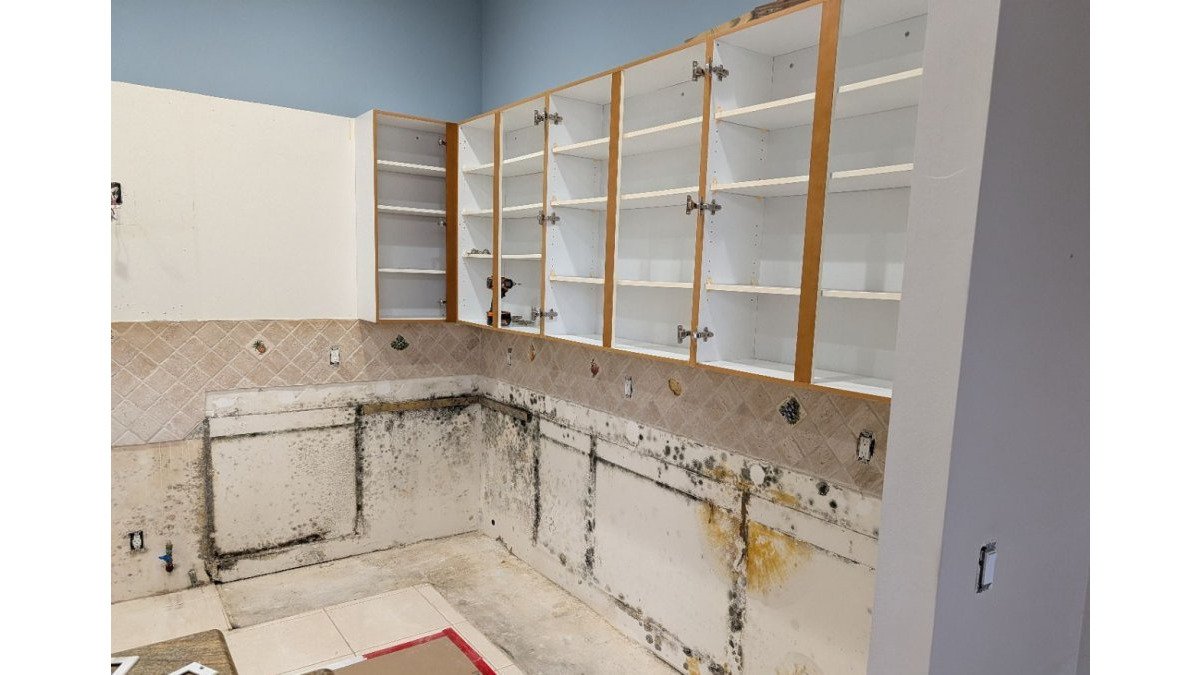
Microbial growth affecting porous or semi-porous building materials requires careful evaluation. Materials such as drywall and insulation may require removal when significantly affected, while structural materials such as wood framing can often be cleaned and treated depending on their condition and the extent of growth. The appropriate approach depends on the material, affected area, and site conditions.
Larger jobs involving multiple rooms or HVAC ducts involve more complex moisture control and higher risk of spreading spores during removal, making professional containment and expertise essential.
Consider professional remediation if:
- Mold is on porous materials (drywall, insulation, wood)
- The affected area is extensive, affects multiple materials, or cannot be safely addressed with simple surface cleaning
- Moisture is active or the source is unclear
- Mold is in crawlspaces, attics, or HVAC systems
- You've tried cleaning and the problem returned
- You're uncertain about the extent of contamination
DIY cleaning may be appropriate if:
- Mold is on hard, non-porous surfaces (tile, glass, metal)
- The area is small and isolated
- The moisture source has been identified and fixed
- You're confident the problem won't return
The Professional Mold Remediation Process
Professional mold remediation follows a structured approach that varies based on what's affected, how much contamination is present, and whether moisture is still active.
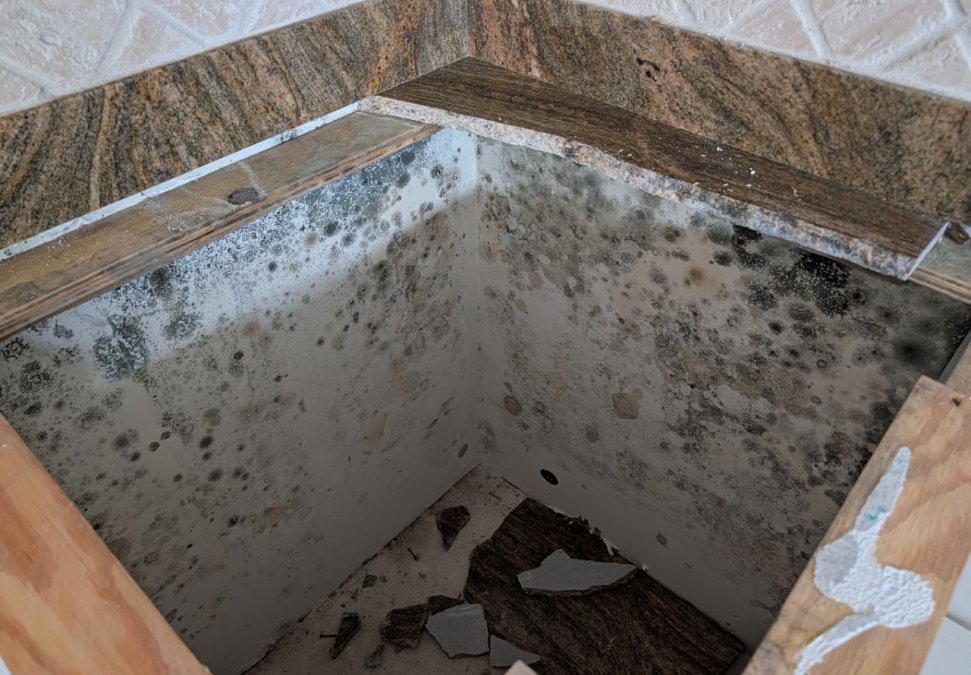
Assessment and Scope Definition
A licensed mold remediator inspects the property, identifies visible mold growth, checks for active moisture sources, and determines the extent of contamination. The remediator may use moisture meters to detect hidden moisture or inspect HVAC ducts and crawlspaces.
Containment (When Appropriate)
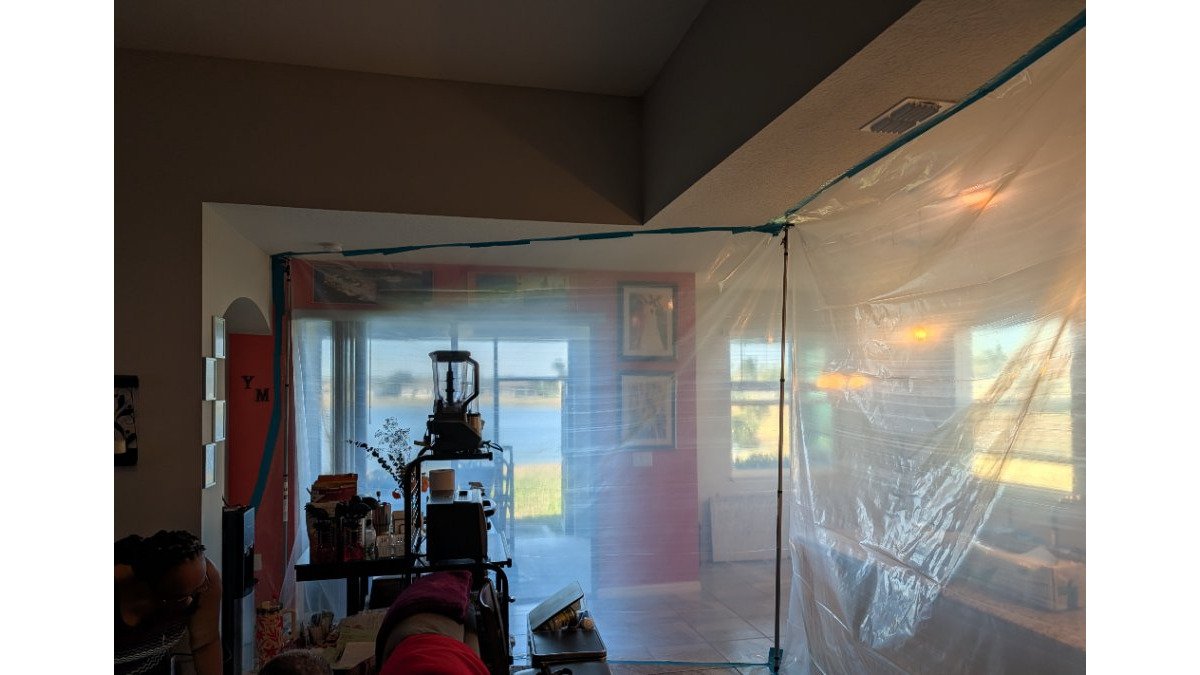
When mold affects porous materials or when removal will disturb contaminated areas, containment procedures may be used to prevent spores from spreading. The specific configuration depends on site conditions, materials being removed, occupancy, and HVAC setup.
Containment approaches may include isolating the work area with plastic sheeting, using negative air pressure equipment, and establishing a decontamination area. The goal is to contain spores and dust during removal. For smaller, isolated jobs on hard surfaces, containment may be minimal or unnecessary.
Material Removal and Cleaning
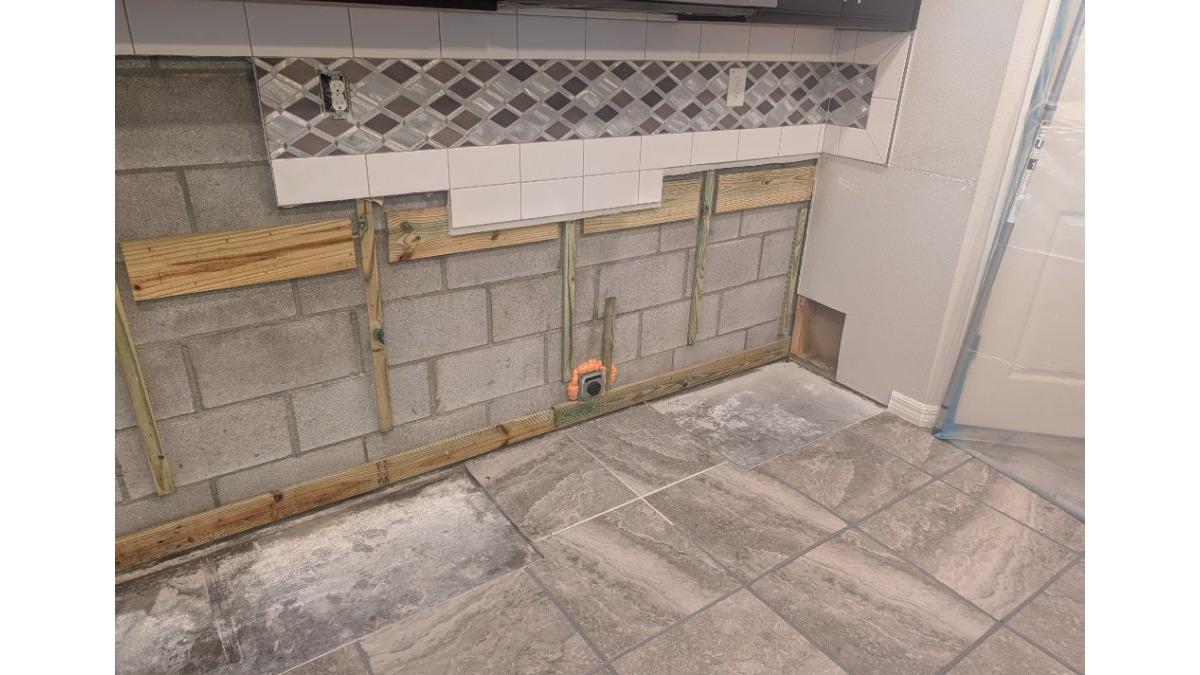
Affected materials are removed following the remediation plan. Contaminated materials that cannot be effectively remediated, such as significantly affected drywall or insulation, may be removed and disposed of. Structural materials such as wood framing are evaluated and may often be cleaned and treated rather than removed. Hard surfaces may be cleaned and treated rather than removed, depending on the extent of contamination.
Workers use HEPA-filtered vacuums and wet-cleaning methods to minimize airborne spores. After contaminated materials are removed, the underlying structure is cleaned with appropriate methods depending on the scope.
Drying and Dehumidification
After removal and cleaning, the area is dried thoroughly. Dehumidification equipment may be used when appropriate, particularly in spaces with high humidity or poor air circulation. Ventilation improvements may be part of the plan to maintain dry conditions.
Addressing the Moisture Source
Correcting the underlying moisture condition is critical to reducing the likelihood of recurrence. JLX Environmental identifies and documents moisture conditions related to the remediation scope so the appropriate correction can be made. Repairs outside our remediation services, such as roofing, plumbing, HVAC repair, or structural repairs, should be completed by the appropriate qualified contractor.
Post-Remediation Verification
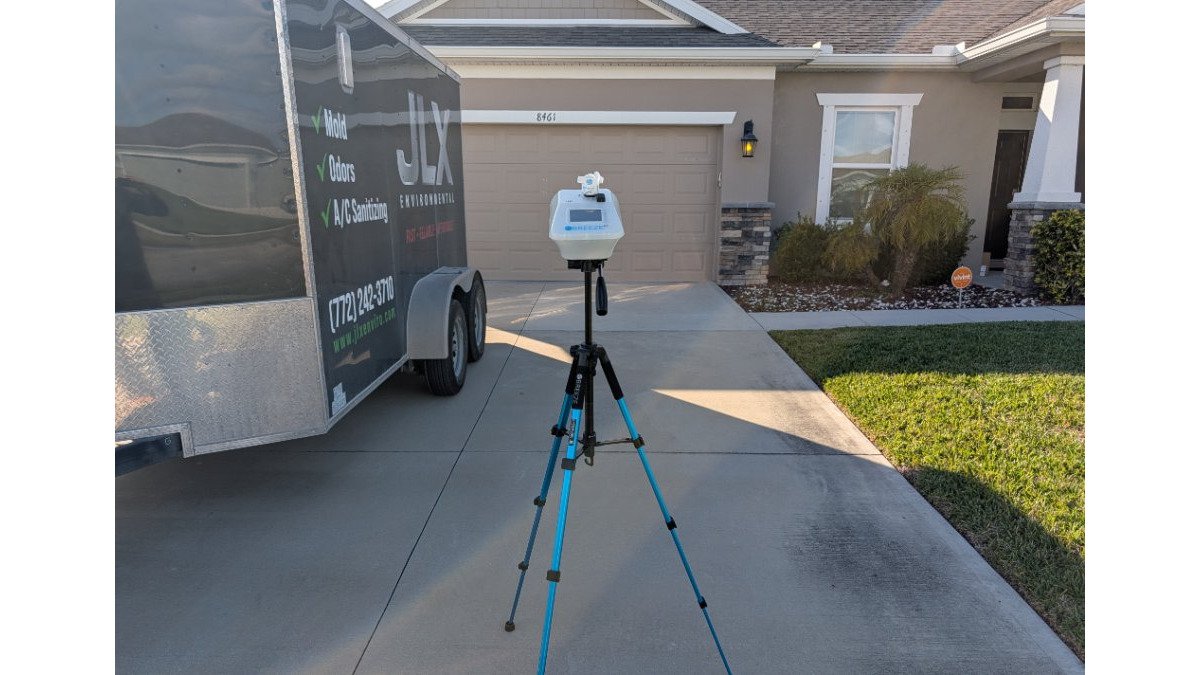
After remediation is complete, verification confirms that the work was effective. For interior spaces, JLX Environmental performs post-remediation air testing and submits samples to a laboratory. Results are interpreted alongside visual observations and moisture conditions. For crawlspaces and attics, verification is visual and condition-based.
Getting a Mold Remediation Quote
When you reach out for a mold remediation quote, expect the contractor to ask detailed questions about what you've observed, where the problem is located, and what you've already tried.
A quality quote includes a clear scope of work describing what will be removed, what containment procedures will be used (if any), what moisture sources will be addressed, and what testing or verification is included.
Compare quotes carefully. Unusually low quotes may indicate missing scope or skipped containment procedures. Higher quotes may include more thorough assessment or additional verification.
Ask about post-remediation verification and what happens if additional contamination is discovered during the work.
JLX Environmental offers a Quote-Beat Guarantee: we'll beat any comparable written mold-remediation quote from another Florida-licensed mold remediator by at least 10%. This applies to comparable scopes of work from licensed professionals, not handyman estimates or quotes for different services. The guarantee reflects our confidence in fair pricing and straightforward service.
When you're ready to get a quote, contact JLX Environmental with details about your property and what you've observed. We'll evaluate the situation and provide a clear quote with no pressure.
Post-Remediation Verification Process
After mold remediation is complete, verification confirms that the work was effective and conditions are appropriate for normal occupancy. For interior spaces in occupied homes, JLX Environmental performs post-remediation air testing after our remediation work is finished. We submit samples to a laboratory for analysis.
Post-remediation verification is different from initial mold testing. Laboratory results provide information interpreted alongside visual observations, moisture conditions, and the condition of treated areas.
Insurance Claims and Mold Remediation
Insurance coverage for mold remediation varies significantly by policy, carrier, endorsements, exclusions, coverage limits, and the cause of the moisture or water intrusion. JLX Environmental cannot determine whether a particular loss is covered under a homeowner's insurance policy.
When to Contact Your Insurer
If you believe the mold or moisture condition may be related to a covered loss, contact your insurance carrier or adjuster as early as possible. Ask what documentation they require, whether an inspection is necessary before work begins, and whether your policy contains specific mold limitations or coverage requirements.
Working With Your Remediation Contractor
A detailed written remediation quote can help document the proposed scope of work. JLX Environmental can provide a written quote describing the remediation work recommended based on conditions observed at the property. Property owners can provide that documentation to their insurance carrier or adjuster for review.
Document the Conditions
Photograph visible damage and affected areas, retain inspection or assessment reports, save written quotes and invoices, and keep copies of communications with your carrier. If additional affected materials are discovered during remediation, document those conditions as well.
Coverage Decisions Come From Your Carrier
Mold coverage varies considerably between insurance policies. Some policies may provide limited mold coverage related to a covered loss, while others contain exclusions or specific limits. Questions about coverage, deductibles, reimbursement, temporary housing, testing, or authorization should be directed to your insurance carrier or adjuster.
Before making decisions based on assumed insurance coverage, obtain clarification directly from your carrier regarding your specific policy and loss.
Frequently Asked Questions
How do I know if I need professional mold remediation or just cleaning?
Visible microbial growth affecting porous building materials such as drywall or insulation may require professional remediation rather than simple surface cleaning, depending on the extent and conditions involved. If you see discoloration, smell persistent musty odors despite opening windows, or have active moisture problems, a professional inspection helps determine the scope. Surface growth on non-porous materials may sometimes be manageable with cleaning, but mold affecting large areas, hidden spaces, or materials that absorb water should be handled by a licensed remediator.
What should I expect when getting a mold remediation quote?
A professional quote should include a site visit to assess the affected areas, moisture sources, and materials involved. The quote describes the scope of work, containment approach if needed, materials to be removed, and post-remediation steps. Pricing depends on the extent of contamination, materials affected, and site conditions. You can compare quotes from multiple licensed remediators. If you receive a written quote from another Florida-licensed mold remediator, JLX will beat that price by at least 10%.
What is post-remediation verification and do I need it?
Post-remediation verification involves air testing after remediation work is complete. Samples are submitted to a laboratory for analysis, providing information about conditions after the work. Laboratory results are evaluated alongside visual observations and moisture conditions to assess the post-remediation environment. For JLX interior remediation projects, we perform post-remediation air testing and submit the samples to a laboratory for analysis. This provides documented information that can be evaluated alongside visual observations and site conditions after remediation.
Will insurance cover my mold remediation costs?
Insurance coverage for mold remediation varies significantly by policy, carrier, and the cause of the mold. Some policies cover mold resulting from sudden, accidental events, while others exclude mold damage entirely. Your adjuster or insurance agent can clarify your specific coverage. Remediation costs and coverage depend on the moisture source and extent of growth. It's best to contact your insurer directly to understand what your policy covers before proceeding.