Last Updated: October 26, 2026
Quick Summary
Mold testing in Vero Beach collects air, surface, or bulk samples for laboratory analysis of what spores or growth are present. Testing documents sample contents but does not locate the moisture source or measure how far growth spreads, so results are read alongside a visual inspection and moisture readings.
- A mold inspection is a visual, condition-based evaluation; testing is the laboratory analysis of collected samples.
- Air sampling uses a calibrated pump, and an uncalibrated pump skews the reported concentration.
- Surface sampling fits visible growth on a defined material; air sampling fits odors or suspected hidden growth.
- JLX does not perform air sampling or post-remediation air testing inside crawlspaces or attics.
- JLX is led by Florida Licensed Mold Remediator Devon Morante (MRSR4624).
Table of Contents
- Why Mold Testing in Vero Beach Starts With a Real Assessment
- Mold Inspection vs. Mold Testing: What Each One Actually Tells You
- How Mold Testing and Air Sampling Work in Practice
- Reading Mold Testing Lab Results Without Overreading Them
- Moisture, Humidity, and the Building Conditions Behind Mold
- Post-Remediation Mold Testing and What It Can and Cannot Confirm
- Choosing a Mold Testing Company in Vero Beach and Indian River County
- Requesting a Mold Testing Quote for Your Property
- Frequently Asked Questions
Why Mold Testing in Vero Beach Starts With a Real Assessment
Mold testing in Vero Beach FL answers a narrow question: what is actually in the air or on a surface. It does not explain why mold is growing or how far the problem spreads. At JLX Environmental, we separate those two jobs.
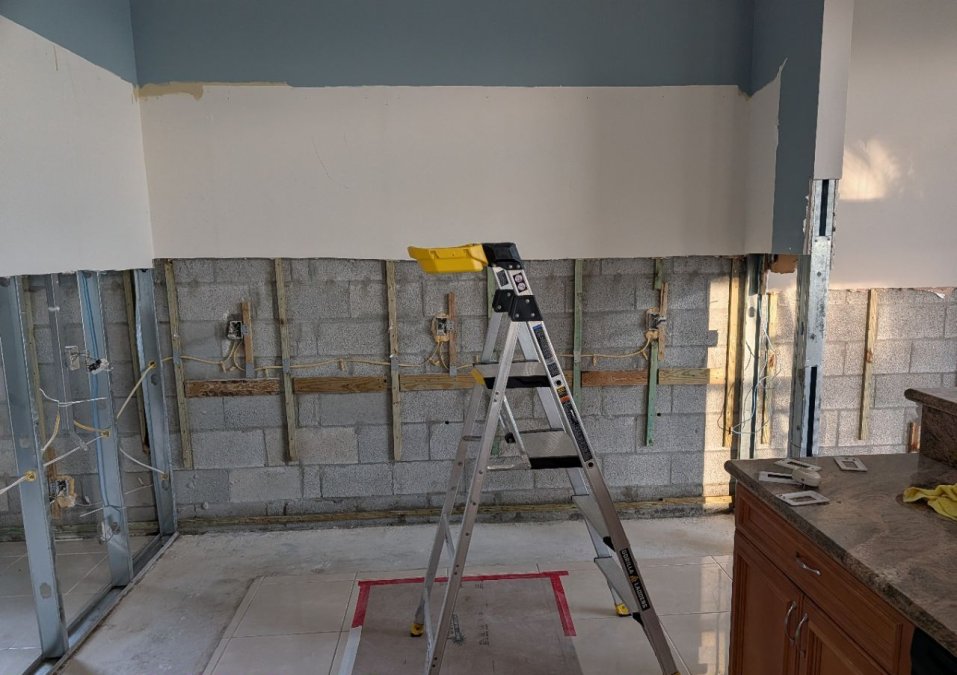
Warm, damp air meeting cool interior surfaces can create conditions mold can use. A test result without a walkthrough of the building tells you little about either one.
Below, we break down what testing can and cannot confirm, how sampling works, and how to compare providers.
Mold Inspection vs. Mold Testing: What Each One Actually Tells You
A mold inspection is a visual and condition-based evaluation of the property. Mold testing is the collection and laboratory analysis of physical samples. They are different services, and one does not replace the other.
An inspection looks at what is visible and measurable: staining, discoloration, musty conditions, moisture readings, HVAC configuration, and building history. Testing adds sample data to that picture.
- Inspection: identifies likely sources, affected materials, and the scope of a problem
- Testing: documents what types of spores or growth are present in a collected sample
- Neither alone: proves a building is mold-free or tells you the full extent of growth
Air samples without a property assessment may provide limited context for interpreting a lab report.
How Mold Testing and Air Sampling Work in Practice
Most mold sampling falls into three families: air, surface, and bulk. Each answers a different question and has limits that are easy to overlook when a report is the only thing you see.
Air sampling draws a measured volume of air through a collection device using a calibrated pump. Two common formats are spore-trap cassettes, where spores impact onto a treated slide, and culturable impactors, where spores land on a growth medium. Flow rate and run time determine the volume sampled, so calibration matters: the lab reports results per unit of air, and an uncalibrated pump skews the number.
Surface sampling targets visible material. A tape lift presses clear tape onto growth or discoloration and mounts it on a slide; a swab wipes a defined area and is submitted in a tube. Tape lifts preserve the structure of what is growing, which can help with identification. Swabs can miss patchy growth, and neither method tells you what is airborne or how far growth extends.
Bulk sampling removes a small piece of material, drywall paper, trim, insulation, for direct laboratory analysis (the EPA). It is useful when the question is whether a specific material is colonized, but it is destructive and should be discussed with the property owner first.
Choosing a Method
Sampling methods can be selected based on the question:
- Visible growth on a defined surface: surface sampling can identify what is present on that material.
- Odor or suspected hidden growth with no visible source: air sampling may add information, though it will not locate the source on its own.
- A specific material in question: bulk sampling may be appropriate if the owner agrees to removal of a small piece.
- Before and after remediation: air sampling is commonly used to compare conditions, with the caveats covered in the post-remediation section below.
Setup details can affect results. HVAC operation, doors and windows, recent cleaning, occupancy, and outdoor conditions can influence a sample. Sampling conditions are relevant context when interpreting results.
For a closer look at what the service involves from start to finish, see our mold testing service and the conditions we evaluate.
Surface Sampling, Air Sampling, and When Each Fits
Surface sampling fits when growth is visible and you want to identify what is growing on a specific material. It is direct and does not require a pump.
Air sampling fits when the concern is airborne spores, when a space has odors but no visible growth, or when you want comparable samples before and after work. What to expect during mold air sampling walks through setup, timing, and laboratory analysis step by step.
Neither method locates hidden growth on its own. Sampling results are read alongside moisture readings, visual findings, and building history. A laboratory can tell you what was in the sample; it cannot tell you where the moisture is coming from or how far growth has spread behind a wall.
Reading Mold Testing Lab Results Without Overreading Them
A laboratory report is a record of what was in the samples, not a verdict on the building. Understanding its parts makes it easier to use well.
What a typical report includes:
- Sample identification: location, method (air, tape lift, swab, bulk), and collection date.
- Organism identification: spore types or genera observed, often grouped by category rather than species.
- Quantities: raw counts and, for air samples, a concentration calculated from the volume of air drawn through the cassette.
- Detection limits: the smallest amount the method can reliably report, which varies with sample volume and lab method.
- Comparisons: where an outdoor or baseline sample was collected, the report may present indoor and outdoor results side by side.
- Observations and caveats: non-fungal particles, background debris, and notes on sample condition.
What the numbers mean, and do not mean. A concentration is a snapshot of one location at one time, influenced by the volume of air sampled, pump calibration, the lab's method, and room conditions. Two samples from the same house can differ substantially without either being wrong. Spore types matter too: some genera are common outdoors and indoors, while others are more often associated with water-damaged materials. The mix, not a single number, is what an experienced reader weighs.
Indoor and outdoor counts are one source of information, not a pass/fail comparison. They do not establish that a property is free of growth or, by themselves, identify where growth is or how much remediation is needed.
Mold testing lab results identify what is present in a collected sample; they do not establish that a property is safe, unsafe, or free of mold. (the EPA) Spore types, relative amounts, and comparison between indoor and outdoor samples all need interpretation in context, alongside moisture readings, visual observations, and the building's history.
From Report to Next Step
A useful way to work through a report:
- Read the scope first. Which locations were sampled, with which methods, and under what conditions? A report without that context is hard to interpret.
- Look at the types, not just the totals. Note whether the identified genera are commonly associated with outdoor air or with damp materials.
- Compare like with like. Indoor samples are best read against other indoor samples from the same visit and against any outdoor reference collected at the same time.
- Cross-check against the walkthrough. Do the findings line up with moisture readings, staining, or odors? If not, that is a reason to look further, not to pick whichever result is more convenient.
- Decide what the question actually is. If the concern is a visible patch on drywall, the report may confirm what is growing but the scope of work depends on moisture and materials. If the concern is a musty odor with no visible source, the report may support further investigation rather than a remediation scope.
The report is one input; the building is the subject.
Our guide to mold identification testing explains air, surface, and bulk methods and what each can and cannot tell you. If a report raises questions about whether remediation is appropriate, the licensed mold remediation service page describes how scope is developed from visual and moisture findings.
Moisture, Humidity, and the Building Conditions Behind Mold
Moisture conditions are relevant when interpreting test results (the EPA). Identifying and addressing the moisture source is important when evaluating a mold concern.
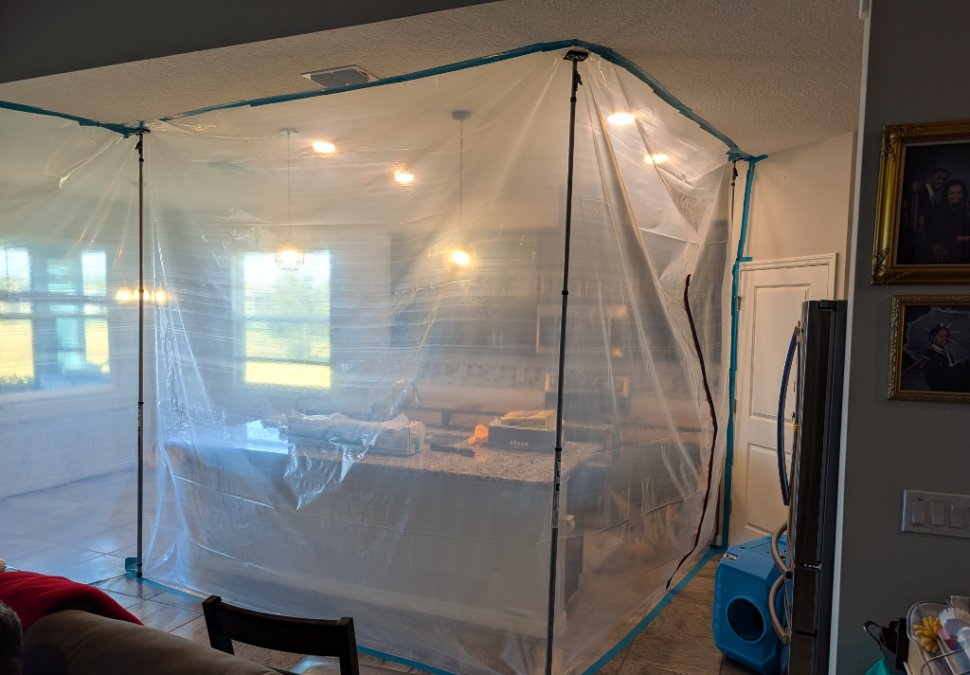
Potential contributors to moisture conditions include:
- Elevated indoor humidity
- Condensation on cool surfaces
- Leaks
- Ventilation conditions
- Crawlspace and attic conditions
We identify moisture sources and explain what we find.
Post-Remediation Mold Testing and What It Can and Cannot Confirm
For normal occupied interior remediation, JLX performs post-remediation air testing after our work and submits samples to a laboratory for analysis. Customers may choose an independent third-party verifier, but third-party verification is not required.
Post-remediation mold testing provides information used with visual and condition-based observations. It does not prove a property is mold-free, guarantee it stays that way, or confirm health outcomes.
One exception worth knowing: we do not perform air sampling or post-remediation air testing inside crawlspaces or attics. Verification in those spaces is visual and condition-based.
Choosing a Mold Testing Company in Vero Beach and Indian River County
Ask each provider what they will do and who analyzes the samples. How to choose the right mold detection company covers comparing inspections, testing, reports, and credentials before you hire anyone.
A practical comparison framework:
What to Check | Why It Matters | Red Flag |
|---|---|---|
Written scope of work | Defines what is sampled and why | Vague or verbal-only |
Who performs the assessment | Licensing and training vary | No license details given |
Laboratory used | Independent analysis matters | No lab named |
Separation of testing and remediation | Reduces conflict of interest | Testing sold as a formality |
Report contents | Explains findings and limits | Report is a number only |
Licensing, Independence, and Conflict-of-Interest Checks
JLX Environmental is led by Devon Morante, who holds both Florida mold remediator and mold assessor licenses. This allows JLX to provide professional mold assessment, testing, and remediation services in accordance with applicable Florida licensing requirements.
Requesting a Mold Testing Quote for Your Property
A useful quote starts with information. Tell the provider what you have noticed, when it started, and whether any work has already been attempted. The building's history of moisture issues may also be relevant.
JLX serves homeowners, landlords, and property managers from Hobe Sound north through Titusville. See our licensed mold remediation and environmental services in Vero Beach to request a written quote for your property. If you already have a comparable written mold remediation quote from another Florida-licensed remediator, our Quote-Beat Guarantee commits to beating it by at least 10%.
JLX Environmental evaluates the property, explains what we find, and defines a scope that matches the actual conditions. JLX Environmental is licensed and family-owned, and provides mold testing, licensed mold remediation, air duct cleaning and sanitizing, odor removal, and post-remediation verification. Request a quote for your property.
Frequently Asked Questions
When is mold testing recommended for a home?
Testing may be considered when it can help answer a specific question. Sampling results are one source of information and should be interpreted alongside visual observations, moisture conditions, and building history.
What is the difference between a mold inspection and mold testing?
A mold inspection is a visual and condition-based evaluation of the property. Mold testing is the collection and laboratory analysis of samples. Testing adds information about what was present in a collected sample; neither testing nor air sampling alone determines remediation scope or the exact source or location of growth.
How long does it take to get mold test results?
Turnaround depends on the laboratory and the sample type. Ask the provider about the expected schedule for the specific samples.
Do I need post-remediation mold testing after cleanup?
It depends on the scope and who is asking. For normal occupied interior remediation, JLX performs post-remediation air testing after its work and submits samples to a laboratory for analysis. Customers may choose an independent third-party verifier, but third-party verification is not required. Lab results are used alongside visual and condition-based observations when evaluating post-remediation conditions. Post-remediation testing does not prove a property is mold-free or guarantee it stays that way.
