Table of Contents
- Why Humid Climates Make Indoor Air Quality Harder to Manage
- 1. Control Moisture Before It Becomes a Problem
- 2. How to Reduce Humidity in a House Without Wasting Energy
- 3. Maintain the Best Indoor Humidity Level for a Home
- 4. Upgrade and Replace HVAC Filters on Schedule
- 5. Improve Ventilation and Air Circulation
- 6. Clean Floors, Rugs, and Carpets Regularly
- 7. Address Mold and Musty Odors at the Source
- Frequently Asked Questions
Last Updated: October 17, 2026
Why Humid Climates Make Indoor Air Quality Harder to Manage
Humidity and the ability to improve indoor air quality are connected in ways many homeowners don't realize. When moisture lingers in the air, it creates conditions where mold grows faster, dust mites multiply, and musty odors develop. That's why controlling humidity is so important for maintaining good indoor air quality.
High humidity doesn't just feel uncomfortable. It affects how your home breathes. Moisture in the air can trigger mold growth on surfaces, make existing odors worse, and trap allergens that circulate through your living spaces.
The challenge is that humid climates make these problems more likely. Outdoor moisture constantly tries to enter your home through walls, crawlspaces, and air leaks. Your HVAC system has to work harder to manage indoor humidity. Standard air filters may not catch everything circulating in moist air.
1. Control Moisture Before It Becomes a Problem
Moisture control is the foundation. Stop water from entering your home, and you solve half the indoor air quality problem right there.
Start with the basics:
- Fix visible leaks around windows, doors, and roof areas where water enters
- Seal gaps around pipes, electrical outlets, and foundation cracks
- Check gutters and downspouts to make sure water drains away from your home
- Inspect crawlspace conditions for standing water, dampness, or poor drainage
- Look for condensation on pipes and windows, which signals moisture buildup
Many homeowners focus on treating mold or odors when the real issue is moisture getting in. Correcting the moisture source helps prevent continued mold growth, but existing contamination may still require cleaning or remediation. Musty odors may persist until affected materials and contamination are properly addressed. JLX Environmental evaluates moisture sources during indoor air quality assessments.
Minor moisture issues can often be managed with better ventilation and dehumidification. Significant water intrusion requires identifying and addressing the source. If you see recurring moisture despite your efforts, a professional evaluation can pinpoint what's happening.
2. How to Reduce Humidity in a House Without Wasting Energy
Reducing indoor humidity doesn't mean running your air conditioner constantly or wasting energy. Smart humidity management uses targeted strategies that work with your home's natural conditions.
Ventilation is your first tool. Running bathroom and kitchen exhaust fans during and after moisture-generating activities removes humid air before it spreads. Leave fans on for 15-20 minutes after showers or cooking.
Air circulation also matters. Ceiling fans and properly designed HVAC airflow can help reduce stagnant areas and improve comfort, but fans do not remove moisture from indoor air. Humidity control still depends on air conditioning, dehumidification, appropriate ventilation, and correcting moisture sources.
Seal air leaks thoughtfully. Gaps around doors, windows, and electrical outlets let humid outdoor air in. Sealing these reduces the moisture load your home has to manage.
Adjust your thermostat strategy. Air conditioning removes moisture as a side effect of cooling. Even running your AC at a slightly higher temperature still provides some dehumidification benefit while using less energy than cooling to a colder setting.
Be cautious about opening windows for humidity control in Florida. Cooler outdoor air is not necessarily drier, and opening windows during humid weather can introduce additional moisture into an air-conditioned home. Natural ventilation is most useful when outdoor moisture conditions are genuinely favorable, not simply when the temperature feels cooler.
When to Use a Dehumidifier for Humid Climates
A dehumidifier becomes necessary when humidity stays above comfortable levels despite ventilation and air circulation efforts. Whole-house dehumidifiers work with your HVAC system to remove moisture from all rooms at once. Portable dehumidifiers target specific areas like bedrooms, basements, or closets where humidity tends to concentrate.
Dehumidifiers work best when:
- Your home's natural ventilation can't keep up with outdoor humidity
- You notice condensation on windows or pipes
- Certain rooms feel damp or smell musty
- You're managing moisture in a crawlspace or basement
Place dehumidifiers away from walls so air can circulate around them. Empty collection tanks regularly, or use a model with a drain hose that runs to a floor drain. Maintenance is simple but important, clogged filters reduce effectiveness.
3. Maintain the Best Indoor Humidity Level for a Home
Target humidity levels matter. Your home performs best when indoor moisture stays in a specific range.
Comfortable indoor humidity typically falls between 30% and 50%. This range feels good to most people and prevents both mold growth and the dry-air problems that come from over-dehumidifying.
How to measure humidity:
- Use an inexpensive digital hygrometer (available at hardware stores) to check humidity in different rooms
- Place them in living areas, bedrooms, and basements to see where moisture concentrates
- Check readings at different times of day, humidity often peaks in early morning or after showers
What different humidity levels mean:
- 30-50%: A generally recommended indoor humidity range that helps limit moisture-related problems, although localized condensation or water intrusion can still support mold growth.
- 50-60%: Monitor conditions and look for persistent moisture, especially in closets, bathrooms, and areas with limited airflow.
- Above 60%: Sustained elevated humidity can increase the likelihood of mold growth and dust mite activity, particularly on susceptible materials and cooler surfaces.
Room-by-room humidity varies. Bathrooms and kitchens naturally run wetter. Basements and crawlspaces often stay damper. Bedrooms should feel comfortable. Check multiple areas to understand your home's moisture patterns.
If certain rooms consistently run humid while others don't, that's a clue about air circulation or moisture sources specific to those areas.
4. Upgrade and Replace HVAC Filters on Schedule
Your HVAC system's filter is your first line of defense against airborne particles. A clogged or poor-quality filter lets dust, pollen, pet dander, and other contaminants circulate through your home.
Replace filters every 1-3 months, depending on filter type and your home's conditions. Humid climates with visible dust or pet hair need more frequent changes. Check your filter monthly, if it looks gray or clogged, replace it sooner.
Better filters catch more particles:
- Standard 1-inch filters (MERV 8-11) catch larger particles but let fine dust pass through
- Thicker pleated filters (MERV 13) trap smaller particles and last longer
- Higher-efficiency filters reduce more allergens and pollutants, though they require good airflow to avoid restricting your system
Upgrading to a higher-quality filter is one of the easiest ways to improve indoor air quality. The cost is minimal compared to the benefit of cleaner air.
Don't forget the condition of your ductwork. Dust and debris can accumulate inside ducts, but that does not mean professional cleaning is automatically necessary. When inspection identifies significant buildup or contamination, appropriate duct cleaning may be beneficial. JLX Environmental offers condition-based air duct cleaning and sanitizing services.
5. Improve Ventilation and Air Circulation
Stale air traps moisture and contaminants. Moving air and bringing in fresh outdoor air keeps indoor conditions healthier.
Use exhaust fans actively. Bathroom and kitchen exhaust fans remove moisture at the source. Run them during and after activities that create steam or cooking odors.
Keep interior doors open to allow air to flow between rooms. Closed doors create stagnant pockets where moisture settles and mold can develop.
Run ceiling fans year-round. Fans don't change temperature, but they move air and help moisture evaporate. In summer, fans distribute cooled air. In winter, they help circulate warm air that rises to the ceiling.
Bring in outdoor air strategically. In humid climates, opening windows can increase indoor moisture even when outdoor temperatures are cooler. Mechanical ventilation designed for humid conditions may provide better control, particularly when paired with properly functioning air conditioning or dehumidification.
Check your HVAC's fresh air intake. Some systems have a damper that controls how much outdoor air enters. Verify it's set appropriately for your climate. Too little fresh air traps indoor pollutants.
Good air circulation prevents moisture from accumulating in corners, closets, or under furniture where mold thrives. It also helps dry surfaces faster after moisture exposure.
6. Clean Floors, Rugs, and Carpets Regularly
Dust, pet dander, pollen, and mold spores settle on floors and soft surfaces. Regular cleaning removes these particles before they circulate through your air.
Vacuum at least weekly, more often if you have pets or notice visible dust. Use a vacuum with a HEPA filter to trap fine particles instead of releasing them back into the air.
Damp-mop hard floors instead of dry sweeping. Wet cleaning traps dust rather than spreading it. Use plain water or mild soap, avoid products with strong chemical odors that add to indoor air pollution.
Clean rugs and carpets professionally once or twice a year. Professional cleaning removes deep dust and debris that vacuuming alone can't reach.
Wash bedding weekly in hot water. Dust mites thrive in bedding. Regular washing reduces allergens.
Reduce clutter. Fewer items on surfaces means less dust accumulation and better air circulation. Cluttered rooms trap stagnant air.
In humid climates, be cautious with area rugs in damp rooms like basements or bathrooms. Rugs that stay moist develop mold and mildew. Hard flooring with good drainage is better for humid spaces.
7. Address Mold and Musty Odors at the Source
Persistent musty odors can indicate excess moisture, microbial growth, or contaminated materials, although odor alone cannot confirm the presence of mold. Air fresheners may temporarily mask the smell without addressing the underlying source.
Identify where the smell comes from. Walk through your home and note which rooms smell musty. Check closets, under sinks, crawlspaces, and basements.
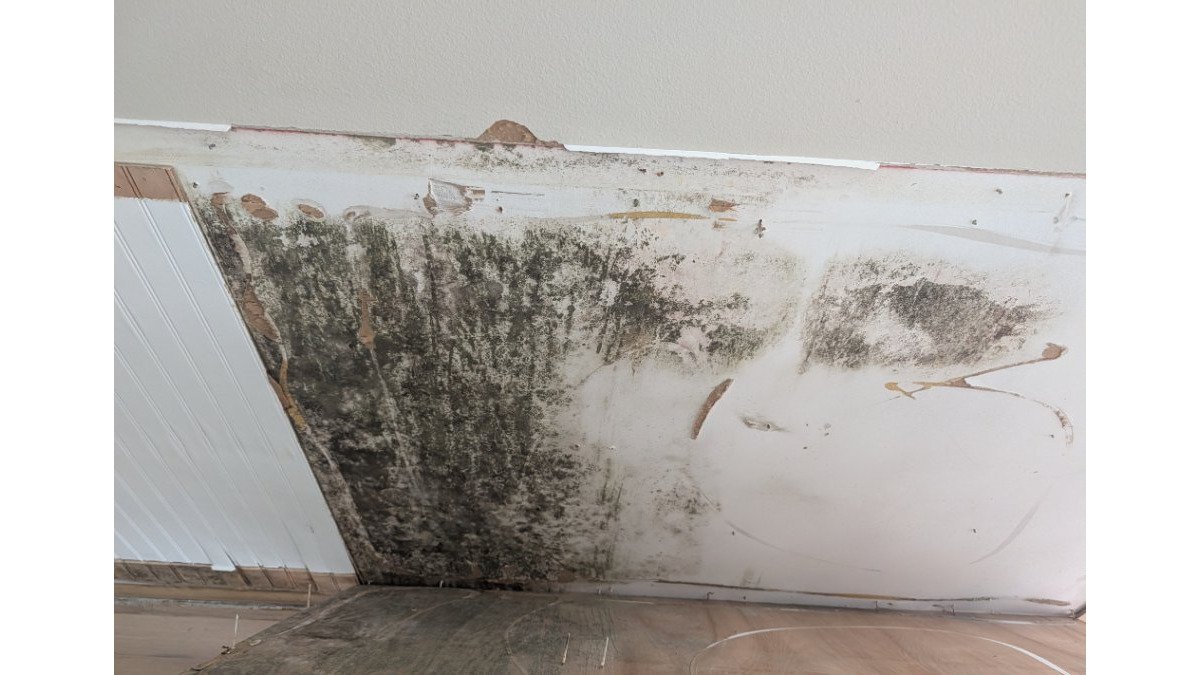
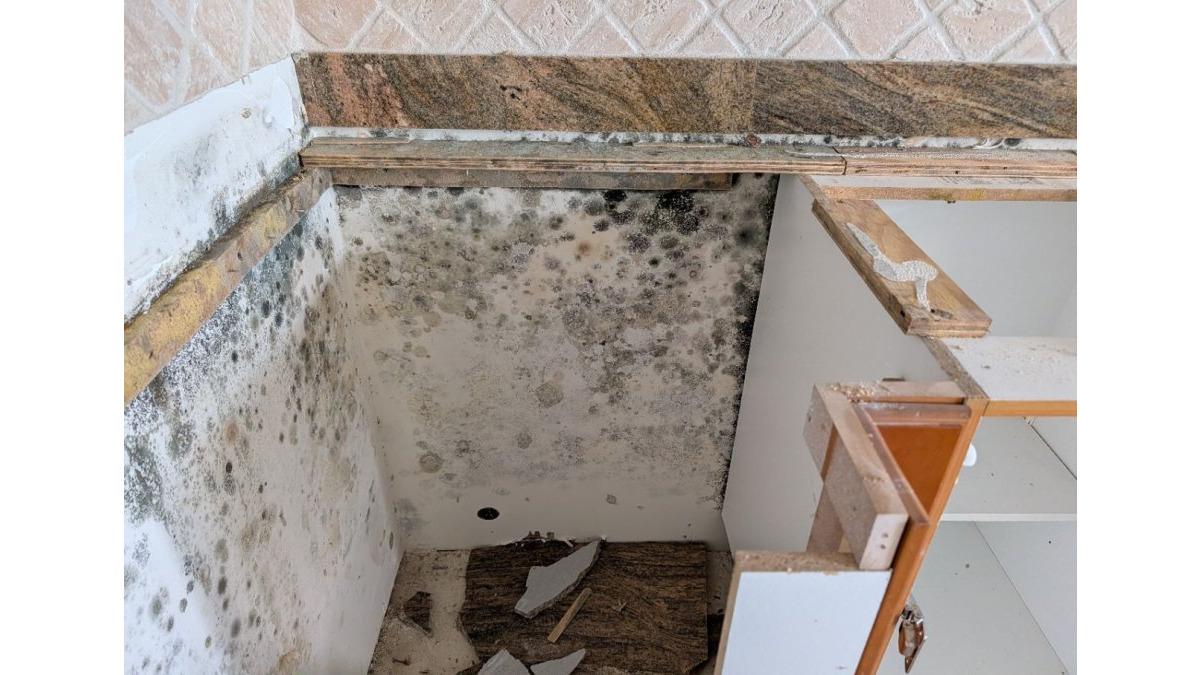
Look for visible signs. Mold appears as dark spots, discoloration, or fuzzy growth on surfaces. It commonly grows on:
- Bathroom tile grout and caulk
- Under sink cabinets
- Around window frames and sills
- Crawlspace surfaces
- Attic areas with roof leaks
- HVAC ducts and condensation pans
Distinguish minor cleaning from professional remediation. Small surface mold on bathroom tile can often be cleaned with soap and water or a diluted vinegar solution.
Don't ignore recurring mold. If mold returns after cleaning, moisture is still entering or the source wasn't addressed.
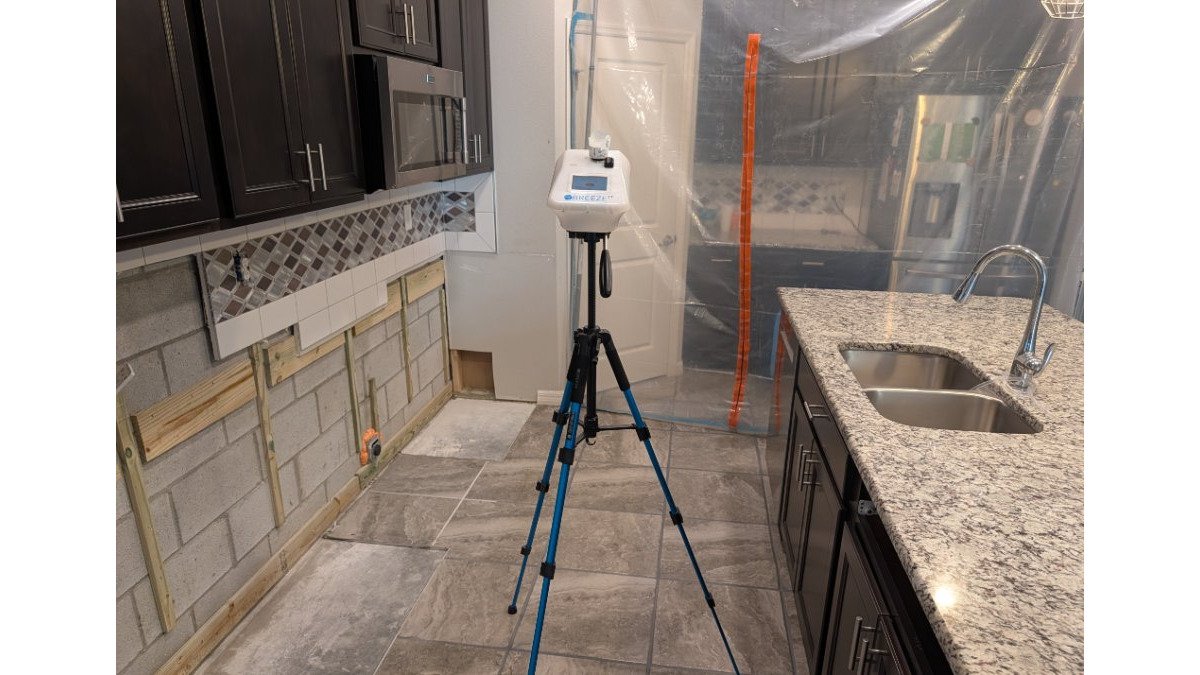
JLX Environmental performs mold remediation for significant mold growth and provides post-remediation verification to confirm conditions have improved. We also identify moisture sources that allow mold to return.
Improving indoor air quality in humid climates takes a multi-step approach. Control moisture first, manage humidity with ventilation and dehumidification, maintain your HVAC system, and clean regularly.
If you've tried these steps and still notice musty smells, visible mold, or air quality concerns, professional evaluation can identify what's happening.
Get a free quote from JLX Environmental to discuss your indoor air quality concerns and learn which services make sense for your situation.
Frequently Asked Questions
What are the main ways to improve indoor air quality in a humid climate?
The most effective strategies combine moisture control, proper ventilation, and regular maintenance. Start by reducing humidity through dehumidifiers or improved ventilation, replace HVAC filters on schedule, clean floors and rugs regularly to remove dust and allergens, and address any visible mold or musty odors promptly. These steps work together to reduce airborne pollutants, allergens, and moisture-related problems that degrade indoor air quality in humid environments.
How often should I change my HVAC filter to maintain good indoor air quality?
HVAC filter replacement frequency depends on your filter type, household activity level, and whether you have pets. Standard 1-inch filters typically need replacement every 1 to 3 months, while thicker filters may last 6 to 12 months. In humid climates where moisture and mold spores are more prevalent, checking your filter monthly and replacing it when visibly dirty helps maintain airflow and reduces recirculation of pollutants. Follow the manufacturer's recommendations for your specific filter.
What is the best indoor humidity level for a home?
The best indoor humidity level for a home typically falls between 30% and 50% relative humidity. Levels below 30% can cause dry skin and respiratory irritation, while levels above 50% encourage mold growth, dust mite populations, and musty odors. In humid climates, maintaining this range requires active moisture control through dehumidifiers, proper ventilation, and air conditioning. Using a humidity meter helps you monitor levels and adjust your dehumidification strategy as needed.
Can high humidity contribute to musty odors indoors?
Sustained elevated humidity can contribute to musty odors by encouraging microbial growth and moisture accumulation in susceptible materials. However, mold can also develop from localized leaks or condensation even when overall indoor humidity readings appear normal. Controlling humidity, correcting moisture sources, and addressing affected materials can help reduce recurring odors and improve indoor conditions.