Last Updated: November 5, 2026
Quick Summary
Indoor air quality testing in Melbourne FL combines air sampling, visual observations, and moisture evaluations to help identify airborne contaminants and investigate possible moisture or HVAC-related concerns. Testing is one input among several, interpreted alongside moisture readings, building history, and spore types rather than treated as a standalone verdict.
- Most assessments follow six steps, from intake conversation and visual inspection through sampling and laboratory analysis.
- Air sampling is not automatic with every visit; it may be performed depending on what the inspection finds.
- Quotes are built from sample count, walk-through scope, property size and layout, and residential versus commercial use.
- Air sampling alone does not determine whether remediation is necessary, its scope, or where growth is located.
- Florida licenses mold assessors and remediators separately, and license numbers can be verified with the state.
Table of Contents
- What Indoor Air Quality Testing in Melbourne FL Actually Measures
- The Indoor Air Quality Testing Process, Step by Step
- What Indoor Air Quality Testing Melbourne FL Cost Depends On
- How to Read Indoor Air Quality Testing Melbourne FL Reviews
- How to Choose the Best Indoor Air Quality Testing Melbourne FL Provider
- Sampling Limits and How Results Should Be Interpreted
- Requesting a Quote for Testing and Remediation
- Frequently Asked Questions
What Indoor Air Quality Testing in Melbourne FL Actually Measures
Indoor air quality testing is the practice of collecting physical samples and visual observations from a building to understand what is suspended in the air and why.
A common mistake is treating a single air sample as a complete answer. It is not. Sampling tells you what was captured at one point in time under one set of conditions. The rest of the picture comes from walking the building.
Mold and Airborne Contaminant Sampling
Mold sampling typically involves drawing a measured volume of air through a collection device and submitting the sample to a laboratory for analysis. Results describe spore types and concentrations captured during the sampling window. They do not identify where growth is located, how far it extends, or whether remediation is needed. Those conclusions come from combining lab data with what the inspector sees and measures on site.
Humidity, Moisture, and HVAC Inspection
Moisture is the driver behind most indoor air quality concerns in this climate. An inspection generally includes humidity readings, a search for moisture intrusion, and a look at the HVAC system and ductwork.
The Indoor Air Quality Testing Process, Step by Step
Most professional assessments follow a similar sequence. The order matters because each step informs the next.
- Intake conversation. You describe what you have noticed: odors, visible growth, moisture, or a recent event. This shapes the scope.
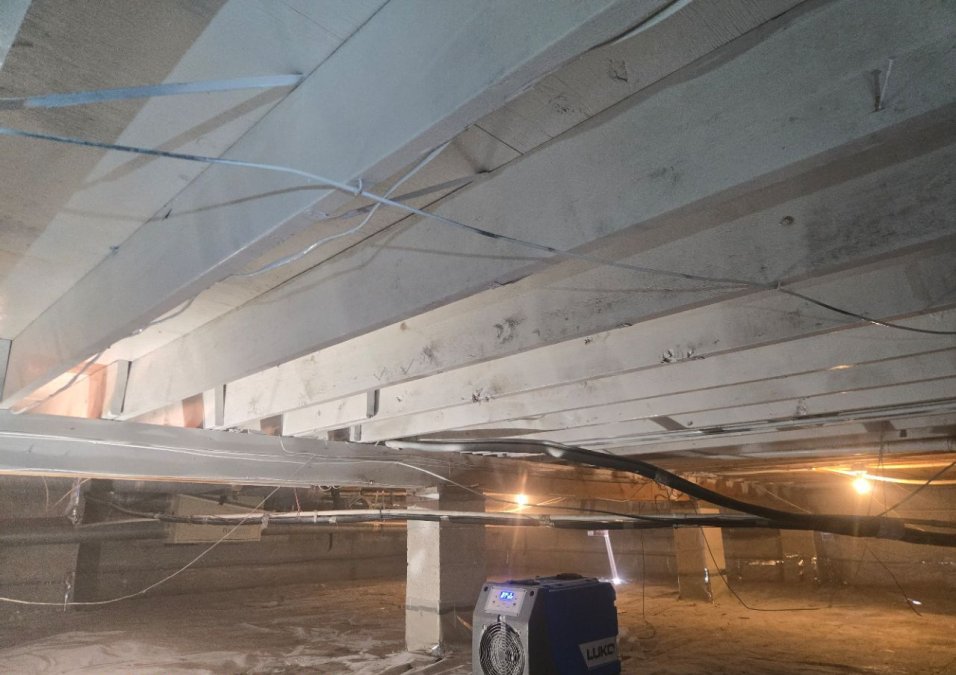
- Visual inspection. The inspector walks the property, including attic and crawlspace where accessible, looking for moisture intrusion, staining, and visible growth.
- Moisture and humidity readings. Meter readings establish whether conditions support growth.
- HVAC and ductwork review. The system is checked for condition and airflow concerns.
- Sampling, when appropriate. Air sampling may be performed depending on what the inspection finds. It is not automatic with every visit.
- Laboratory analysis. Samples go to a lab, and the report is interpreted alongside the visual findings.
For a closer look at how sampling itself works, see what to expect during mold air sampling.
Most professional assessments follow a similar sequence, and the order matters because each step informs the next.
Step | What happens |
|---|---|
Intake conversation | You describe odors, visible growth, moisture, or a recent event |
Visual inspection | Inspector walks the property, including attic and crawlspace where accessible |
Moisture and humidity readings | Meter readings establish whether conditions support growth |
HVAC and ductwork review | System checked for condition and airflow concerns |
Sampling, when appropriate | Air sampling may be performed depending on inspection findings |
Laboratory analysis | Samples go to a lab; report interpreted alongside visual findings |
What Indoor Air Quality Testing Melbourne FL Cost Depends On
Indoor air quality testing quotes are typically built from several components. Understanding those components helps when comparing quotes.
The main cost drivers are:
- Number of samples. Each air sample involves a collection device, a measured sampling period, and laboratory analysis. A visit with one sample and a visit with several samples in different areas are different jobs.
- Scope of the walk-through. A focused moisture inspection is not the same as a broader assessment covering multiple rooms and more of the building.
- Property size and layout. Square footage and the number of areas needing evaluation affect time on site.
A useful way to compare quotes is to ask each provider to break the quote into inspection time, sample count, lab fees, and report.
Watch out: a very low quote often means fewer samples, a shorter inspection, or a lab chosen for price rather than analytical quality.
JLX does not publish flat-rate testing pricing. Request a quote for your property to see current pricing.
If you are weighing whether professional testing is worth the expense at all, this breakdown of whether indoor air quality testing is worth it covers professional testing versus DIY monitors.
How to Read Indoor Air Quality Testing Melbourne FL Reviews
Reviews describe the hiring experience. They rarely describe the technical quality of the work, and that distinction matters when you are trying to judge a provider rather than a customer service team.
What reviews are genuinely useful for:
- Whether findings were explained in plain language rather than handed over as a raw lab sheet
- Whether the written report arrived when promised
- Whether the scope discussed on the phone matched what happened on site
- Whether the reviewer felt steered toward work that was not clearly justified
What reviews cannot tell you: whether the sampling method suited the concern, whether the lab was reputable, whether the interpretation was sound, or whether the same company stood to profit from the findings.
What the Tests Actually Measure
Most indoor air quality concerns fall into a few categories, and each is assessed differently. Knowing which category your concern belongs to is the single best defense against buying the wrong test.
- Mold spore sampling. Air is drawn through a collection device and analyzed for spore types and concentrations. It describes what was airborne during the sampling window. It does not locate growth, measure its extent, or by itself decide whether remediation is needed.
- Surface and bulk sampling. Tape lifts or material samples are collected from visible growth or suspect materials. These can help identify what is growing on a specific surface, which air sampling cannot do.
- Moisture and humidity measurement. Meters and hygrometers establish whether conditions in a space support growth. This is often the most informative part of an assessment and the least expensive.
- HVAC and ductwork inspection. The air handler, coils, drain pan, plenum, and duct runs are reviewed for condition, moisture, and airflow problems that can distribute contamination.
How to Read a Lab Report
A lab report is a data sheet, not a verdict. Useful things to look for:
- Spore types present, not just a total count. Different genera carry different implications for building conditions.
- Whether outdoor or background samples were collected for comparison. Indoor and outdoor spore profiles differ naturally, and a single indoor sample with nothing to compare against is harder to interpret.
- The sampling method and volume, since results are expressed relative to the air volume collected.
- Conditions at the time of sampling, such as HVAC operation and weather, which affect what was airborne.
A common pattern is for a report to show elevated counts of one spore type in one area. That finding means something only when read alongside what the inspector saw, moisture readings, the building's history, and whether the same spore type is present outdoors.
Watch out: any provider who describes a lab result as proof the building is clear, or as proof of a hidden mold problem, is overstating what air sampling can do. Sampling is one source of information, not a diagnosis.
Questions That Reveal More Than Reviews Do
Before hiring, ask:
- Who performs the inspection, and what license do they hold? Florida licenses mold assessors and remediators separately, and the Florida Department of Business and Professional Regulation lets you verify a license number directly.
- Is sampling recommended only after an inspection, or bundled automatically?
- Which laboratory analyzes the samples, and is it independent of the provider?
- What does the written report include, raw data only, or interpretation alongside visual findings?
Florida regulates mold assessment and remediation separately and places restrictions on performing both services on the same project. Homeowners should verify the company's licensing, understand which services it will perform, and ask whether an independent assessment or post-remediation verification is appropriate.
For a deeper comparison of how to evaluate inspections, reports, and credentials, read how to choose a mold detection company.
How to Choose the Best Indoor Air Quality Testing Melbourne FL Provider
The best provider for your situation is one who inspects before recommending, explains findings in plain terms, and separates testing from remediation in a way you can verify. Credentials matter: Florida licenses mold assessors and remediators separately, and the Florida Department of Business and Professional Regulation lets you verify a license number directly.
Ask these questions before hiring:
- Who performs the inspection, and what is their license?
- Is testing recommended only after an inspection, or bundled automatically?
- Which laboratory analyzes the samples?
- What does the written report include?
Florida regulates mold assessment and remediation separately and places restrictions on performing both services on the same project. Homeowners should verify the company's licensing, understand which services it will perform, and ask whether an independent assessment or post-remediation verification is appropriate.
For a deeper comparison of how to evaluate inspections, reports, and credentials, read how to choose a mold detection company.
Sampling Limits and How Results Should Be Interpreted
Air sampling has real limits, and honest providers say so. A sample captures a snapshot.
Air sampling alone does not determine whether remediation is necessary, what the scope should be, which materials need removal, or where growth is located (the EPA).
Post-remediation verification follows the same logic. For normal occupied or interior remediation, JLX performs post-remediation air testing and submits samples to a laboratory for analysis.
Requesting a Quote for Testing and Remediation
A written quote should follow an inspection, not precede it.
JLX Environmental offers a Quote-Beat Guarantee: we will beat a comparable written mold-remediation quote from another Florida-licensed mold remediator by at least 10%.
To see what professional testing and moisture investigation include, review our mold testing services. When you are ready to talk through your property, tell us what's going on and request a quote.
If you are dealing with a musty odor, a moisture question, or a report you do not fully understand, the next step is a conversation about the building itself.
Frequently Asked Questions
How much does indoor air quality testing cost in Melbourne, FL?
Pricing depends on the number of samples, the tests selected, and the size or layout of the property. A single mold air sample costs less than a multi-room evaluation with moisture readings and a written report. JLX Environmental does not publish flat-rate testing prices, so request a quote for your property. Compare quotes on the same scope: how many samples, which contaminants, and whether a written report is included.
Is indoor air quality testing worth it if I already see mold?
Visible mold already tells you growth is present. Testing adds information about airborne spores and moisture conditions, but air sampling alone does not determine whether remediation is necessary or how much work is needed. A visual inspection plus moisture readings often guides the scope. Testing is most useful when growth is hidden, odors persist without a visible source, or a post-remediation check is planned.
What does an indoor air quality test check for?
A typical residential evaluation covers mold spores through air sampling, moisture conditions in building materials, musty odors, and the HVAC system and ductwork. Some providers offer volatile organic compounds, particulate matter, or other specialized tests, which are separate services. Ask exactly which tests are included before you book so you can compare quotes on equal terms.
How do I choose an indoor air quality testing company in Melbourne, FL?
For regulated mold assessment services, verify that the provider holds the appropriate Florida mold assessor license. Mold remediation requires a separate license. Also ask whether samples are analyzed by an independent laboratory and request a written scope before work begins. Ask who interprets the results, whether the company also offers remediation, and how it complies with Florida's licensing and conflict-of-interest requirements. Read recent local reviews for punctuality, clear explanations, and report turnaround.
