Table of Contents
- Mold Remediation Fort Pierce FL: How to Choose a Provider
- What to Verify Before You Hire
- How to Check for Mold in a House
- Mold Testing Fort Pierce FL: What Sampling Can and Cannot Tell You
- The Mold Remediation Process, Step by Step
- Mold Remediation Duration: What Affects the Timeline
- Comparing Mold Remediation Providers in Fort Pierce
- Conclusion
- Frequently Asked Questions
Last Updated: October 21, 2026
Mold Remediation Fort Pierce FL: How to Choose a Provider
Mold remediation Fort Pierce FL homeowners can trust starts with knowing what to verify before anyone walks through the door.
Mold is a moisture problem first. Fix the water source, and remediation holds. Skip that step, and growth returns no matter how many surfaces get scrubbed. That single principle should shape every decision you make about a contractor.
Below, we walk through the verification checklist, sampling limits, remediation sequence, and timeline factors, plus how our own process works at JLX Environmental.
What to Verify Before You Hire
The first thing to confirm is licensure. Florida regulates mold remediation and mold assessment separately, and a company performing removal work should hold the appropriate state license.
Next, confirm insurance. Request a certificate of insurance and verify it covers mold work specifically, not just general handyman activity.
Then ask about scope. A written quote should describe affected areas, materials to be removed, and how containment will be handled. A number with no scope is a warning sign.
- State mold remediation license number verified
- Certificate of insurance on file
- Written scope of work, not a verbal number
- Clear explanation of what happens after removal
- Named contact who answers questions before signing
How to Check for Mold in a House
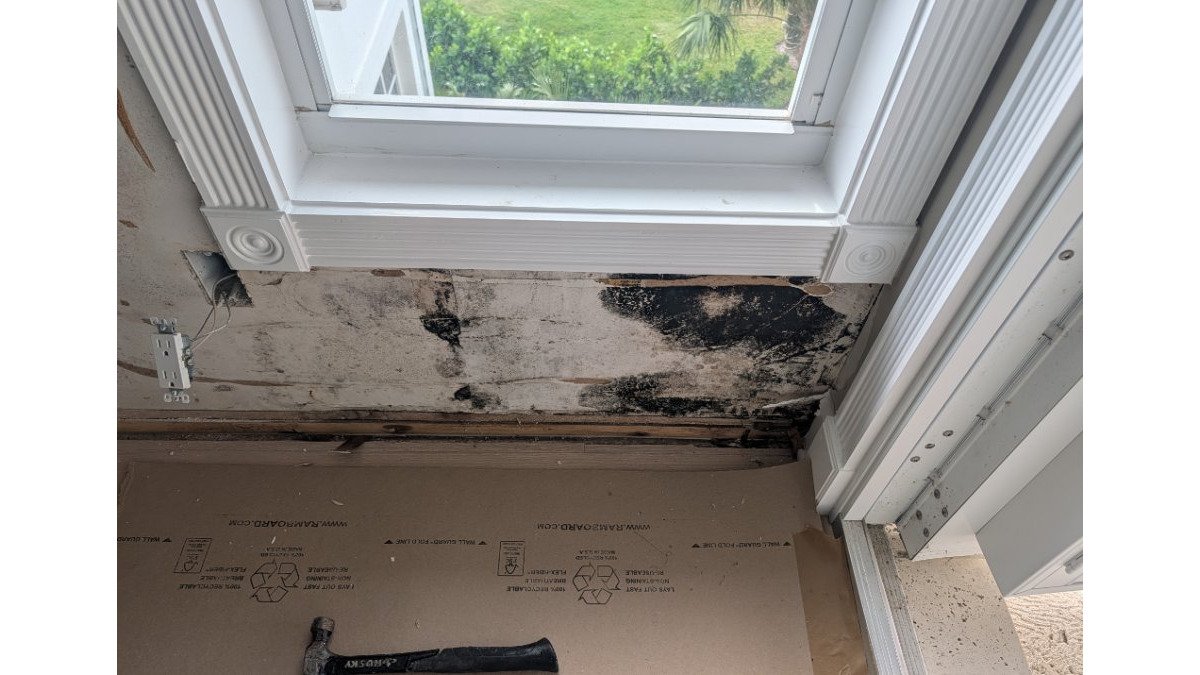
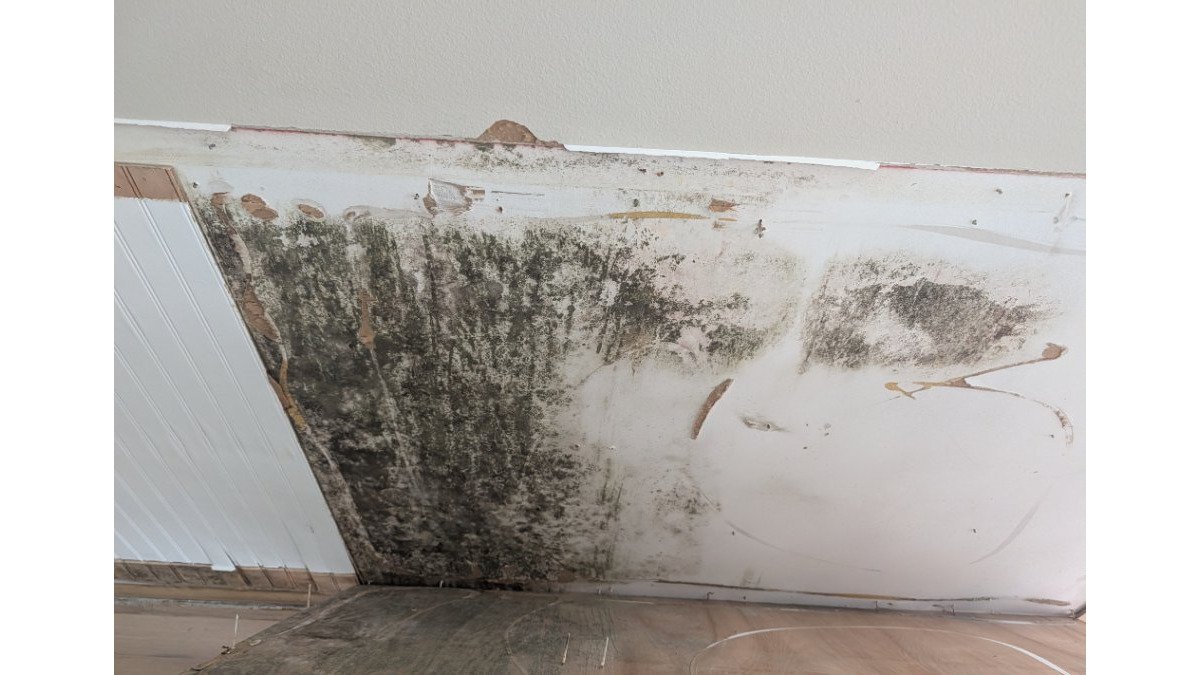
Start with your eyes and nose. Visible discoloration on drywall, ceiling corners, baseboards, or window frames is the most obvious sign.
Look for water staining and bubbling paint. Feel for soft spots in drywall near plumbing walls. Check under sinks, around the water heater, and behind the washing machine.
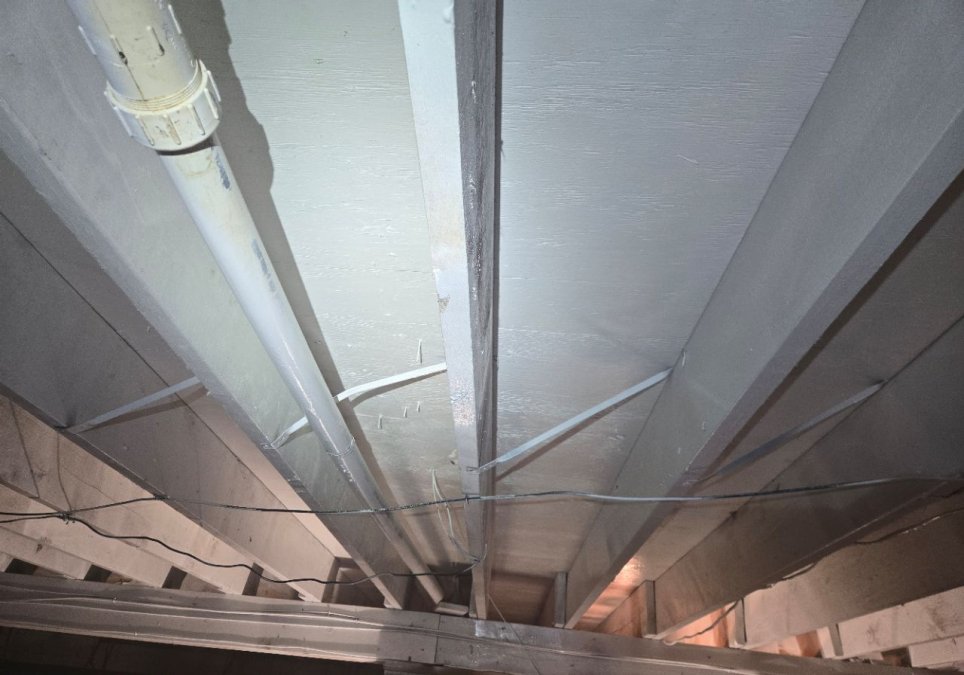
Signs You Can See and Smell
Visible growth, musty odors, peeling paint, and warped baseboards are the practical indicators. A persistent musty odor that becomes more noticeable when the air conditioning runs may indicate a moisture or microbial growth issue somewhere in the home or HVAC system. However, odor alone cannot establish whether mold is present inside the ductwork, an air handler, or a wall cavity.
If you find a small patch on a non-porous surface, cleaning may be enough depending on the material and moisture conditions. Growth on porous materials, or any area larger than a minor surface patch, calls for a professional assessment rather than a spray bottle.
Mold Testing Fort Pierce FL: What Sampling Can and Cannot Tell You
Mold testing Fort Pierce FL property owners request is useful, but it has limits that get oversold. Air sampling collects spores on a medium and a laboratory identifies what is present, one data point, not a verdict.
Sampling cannot tell you where growth is, how far it extends, or whether remediation is necessary on its own. It cannot determine scope, containment needs, or which materials to remove. Those decisions come from visual inspection and moisture readings interpreted with the lab results.
Pre-remediation testing is not required for every project. When visible mold is present and the moisture source is clear, assessment often focuses on the physical conditions. Sampling may be appropriate when growth is suspected but not visible, or when documentation is needed for a transaction or insurance file.
The Mold Remediation Process, Step by Step
Remediation follows a logical sequence: protect the rest of the home, correct the moisture condition, remove the affected material, clean the surfaces that remain, and confirm the work. Exact steps depend on scope, materials, and how much disturbance removal will cause.
- Assess the affected area and identify moisture sources
- Establish containment where conditions require it
- Remove porous materials that cannot be cleaned
- Clean and treat remaining surfaces
- Address the moisture source so growth does not return
- Perform post-remediation verification
Assessment and Moisture Correction First
Assessment is where the scope is actually set. A practitioner looks at what is visibly affected, checks moisture conditions in surrounding materials, considers the building's history, and asks how water is getting in. Without that step, the scope is a guess.
Moisture correction determines whether remediation holds. If a supply line, roof penetration, or window flashing is feeding the growth, that repair has to happen, before remediation or as part of the overall plan, or the same conditions return.
How Containment Decisions Are Made
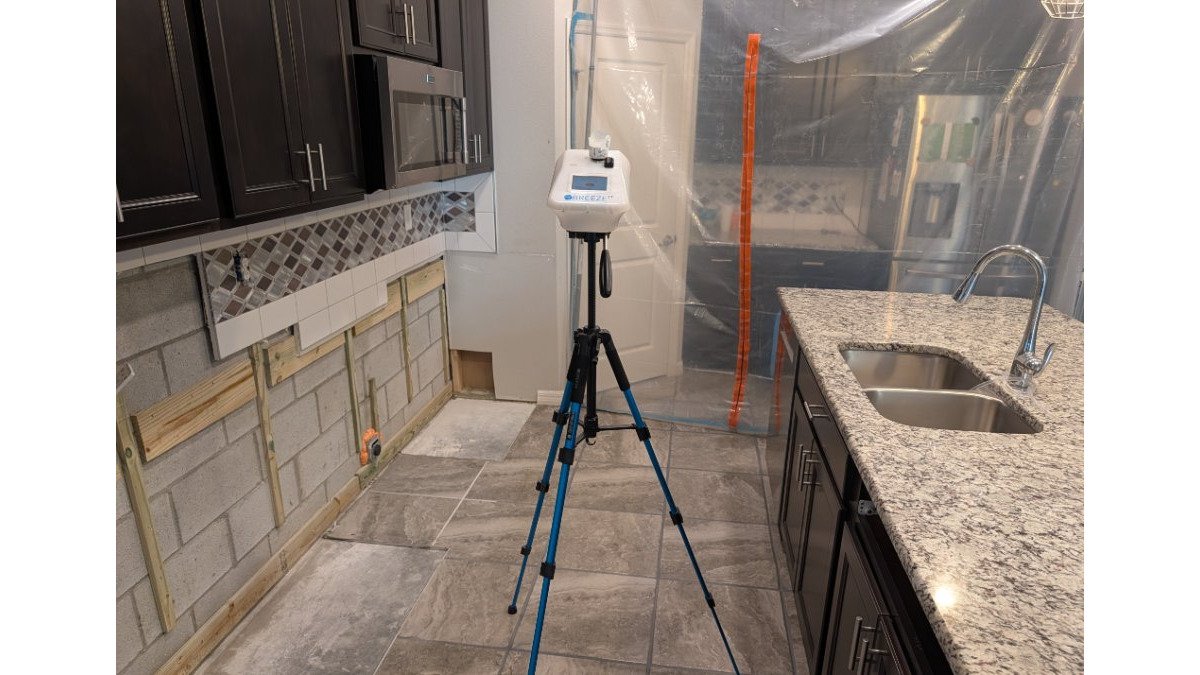
Containment is not one-size-fits-all. The decision depends on the extent and location of growth, the materials being disturbed, anticipated dust and spore release, occupancy, and HVAC configuration.
Where containment is used, the goal is to keep disturbance from spreading to unaffected rooms. Depending on the scope, that may involve plastic sheeting, negative air pressure, or other controls. The point is not to apply a template but to match controls to the conditions the assessment found.
Removal, Cleaning, and What Cannot Be Saved
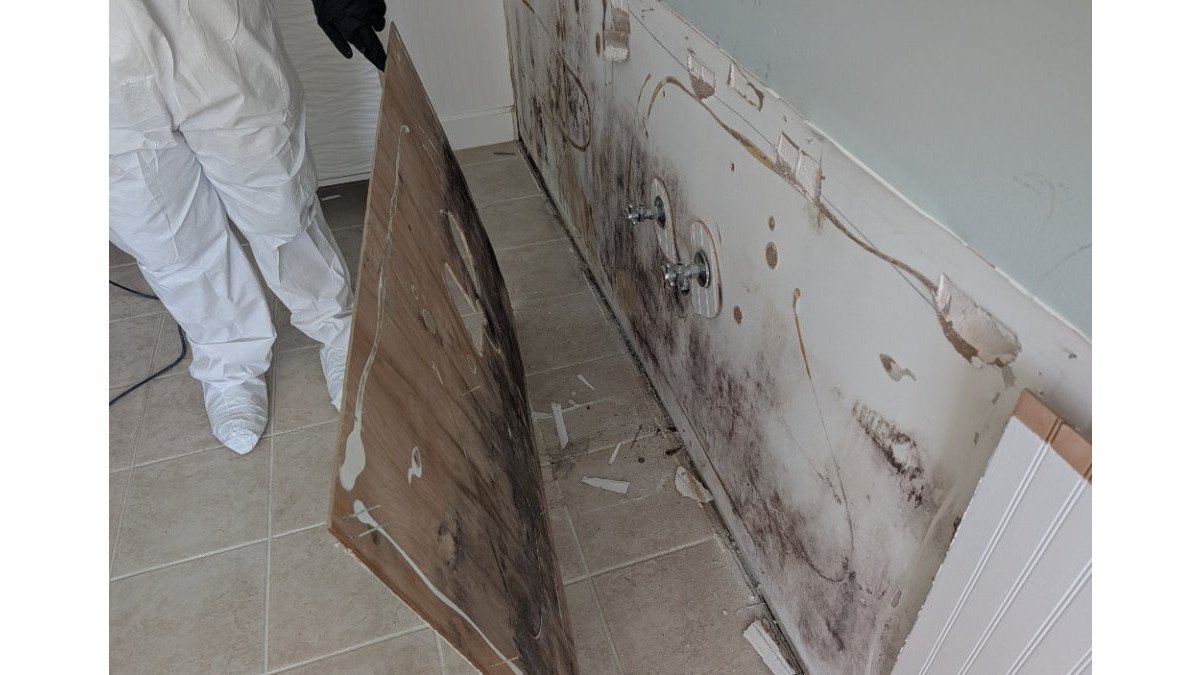
Mold remediation involves removing contaminated materials that cannot be effectively cleaned and cleaning or treating materials that can be safely retained. Heavily contaminated drywall, insulation, carpeting, and certain ceiling tiles often require removal. Structural wood framing, however, can frequently be cleaned and treated rather than removed, depending on its condition and the extent of contamination.
Cleaning typically involves mechanical action plus an appropriate product, followed by debris removal. What matters when comparing providers is whether the scope names the materials to be removed versus cleaned, and explains how remaining surfaces will be handled.
Post-Remediation Verification
Verification is the step that closes the loop. For normal occupied interior remediation, JLX performs post-remediation air testing after its remediation work and submits samples to a laboratory for analysis. Customers may choose an independent third-party verifier, but third-party verification is not required.
Crawlspaces and attics are handled differently. JLX does not perform air sampling or post-remediation air testing inside those spaces; verification there is visual and condition-based.
At JLX Environmental, remediation is condition-based. You can read more about our mold remediation services and how we approach assessment and verification.
Mold Remediation Duration: What Affects the Timeline
Most residential remediation projects run from a few days to a couple of weeks, but the range is wide.
The biggest factor is extent. Small, contained areas clear quickly. Larger areas mean more removal, more cleaning, and longer verification. Material type matters too: porous materials come out, while hard surfaces can often be cleaned in place.
Access and occupancy affect scheduling. A crawlspace slows work compared with an open room, and occupied homes require more careful containment and staging.
Factor | Effect on Timeline |
|---|---|
Extent of growth | Larger areas take longer to remove and clean |
Material type |
|
Access | Crawlspaces and tight attics slow the work |
Occupancy | Occupied homes need more staging and containment |
Lab turnaround | Post-remediation samples add days at the end |
Comparing Mold Remediation Providers in Fort Pierce
Comparing providers comes down to four things: credentials, scope clarity, process, and verification. Price matters, but a low number with no written scope is not a real comparison.
How to Verify Credentials, Not Just Collect Them
Florida regulates mold assessment and mold remediation as separate activities, and the state maintains a public licensing database through the Department of Business and Professional Regulation. Ask for the license number in writing, then look it up yourself.
Insurance is the second check. Request a current certificate of insurance naming the business and showing general liability coverage, and ask whether mold remediation is within the covered scope. A certificate listing a different entity than your quote is a common loose end.
- License number written on the quote, not just spoken
- License looked up in the state database and matched to the business
- Certificate of insurance received and current
- Written scope describing areas, materials, and containment approach
- Named contact who will answer questions during the project
- Explanation of how the work will be verified afterward
What a Written Scope Should Contain
A usable scope is specific enough to compare line by line. It should identify affected areas, name materials to be removed versus cleaned, describe containment for that property, explain how the moisture source will be addressed, and state what verification follows. If a quote lists a room and a total but nothing about materials or containment, ask for detail before comparing.
What Drives Cost Differences Between Quotes
Two quotes for the same visible area can differ substantially, and the reasons are usually structural. The biggest drivers are growth beyond what is visible, materials affected (some materials require removal, while others can be cleaned or treated), access difficulty, occupancy, HVAC involvement, and whether the moisture source has already been corrected.
A quote that assumes a small visible patch and one that assumes hidden growth are not the same job, even if the visible area looks identical. That is why scope clarity matters more than the bottom-line number.
What to Compare | What Good Looks Like | Red Flag |
|---|---|---|
Licensing | Verifiable state license matching the business | Cannot produce a number, or number does not match |
Insurance | Current certificate naming the business | Verbal assurance only |
Scope | Written, itemized, specific to the property | Verbal number, no paperwork |
Cost drivers | Explained, with conditions that change scope | Single figure with no assumptions stated |
Verification | Post-remediation testing explained clearly | "Trust us, it's gone" |
Moisture source | Identified and addressed | Mold-only talk, no cause discussed |
How JLX Environmental Fits This Comparison
JLX Environmental is led by Florida Licensed Mold Remediator Devon Morante (MRSR4624). After remediation on occupied interior spaces, we perform post-remediation air testing and submit samples to a laboratory for analysis.
Our Quote-Beat Guarantee works simply: bring us a comparable written mold-remediation quote from another Florida-licensed mold remediator, and we will beat it by at least 10%.
One honest limitation: we do not perform plumbing or roof repairs.
Conclusion
Choosing a remediation provider in a market full of lookalike listings is harder than it should be. The path through it is verification: license, insurance, written scope, and a clear verification step.
That is how we work at JLX Environmental. We assess conditions, explain findings plainly, define the scope the property needs, and follow remediation with laboratory-analyzed post-remediation air testing.
Get a free quote from JLX Environmental and start with a clear, condition-based assessment of your property.
Frequently Asked Questions
When should I hire a mold remediation professional?
Hire a professional when growth covers a large area, has spread into porous materials like drywall or insulation, follows a recurring moisture problem, or involves HVAC systems. Visible surface mildew on tile or grout may be manageable with cleaning if the moisture source is fixed. Professional mold remediation is the safer route when demolition, containment, or significant contamination is involved, because disturbing growth without controls can spread spores through the home.
Does every mold remediation project require air testing?
No. Pre-remediation air testing is not required or automatically included with every project. Air sampling is one source of information, interpreted alongside visual observations, moisture conditions, building history, and spore types. Sampling alone does not determine whether remediation is necessary or define the scope of work. Ask any provider how they use testing results and whether sampling is included in their written quote.
How is mold remediation verified after the work is complete?
For normal occupied interior remediation, JLX Environmental performs post-remediation air testing and submits samples to a laboratory for analysis. Customers may choose an independent third-party verifier, though third-party verification is not required. Lab results are used with visual and condition-based observations when evaluating post-remediation conditions. Note that air sampling is not performed inside crawlspaces or attics, where verification is visual and condition-based.
How long does mold remediation usually take?
Mold remediation duration depends on the extent of growth, the materials affected, and site conditions. A small, contained area may be finished in a day or two, while larger projects involving demolition and multiple rooms take longer. Moisture must be addressed before or alongside remediation, and that step can extend the schedule. Ask for a written scope that states what will be removed, how containment will be handled, and what verification is included.