Table of Contents
- Mold Remediation in Sebastian FL: What the Process Actually Involves
- Mold Testing in Sebastian FL: What It Can and Cannot Tell You
- What a Mold Remediation Quote Should Include
- How Long Mold Remediation Duration Usually Runs
- Post-Remediation Verification: How the Work Is Evaluated
- How to Choose a Mold Remediation Company in Sebastian
- Frequently Asked Questions
Last Updated: October 21, 2026
Mold Remediation in Sebastian FL: What the Process Actually Involves
Mold remediation in Sebastian FL starts with finding the moisture source, not with spraying the visible growth. Mold remediation involves removing or cleaning mold-affected materials using methods appropriate to the contamination and building materials involved. Identifying and correcting the underlying moisture problem is essential to preventing recurring growth, although repairs to plumbing, roofing, or other building systems may require separate contractors. This guide from JLX Environmental walks through what the work involves, what a quote should contain, and how the finished job gets evaluated.
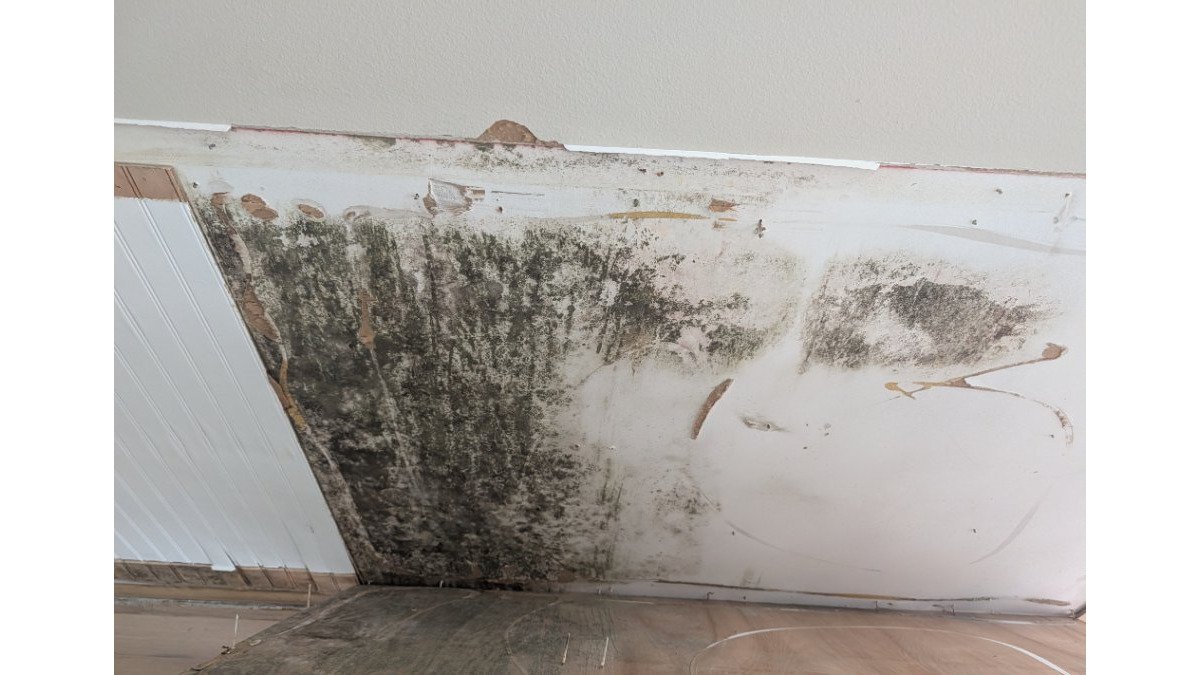
Here is the part most homeowners get wrong: the discoloration on your baseboard is a symptom. If the moisture feeding it stays, the growth returns whether or not someone wiped the surface. The EPA's guidance on mold cleanup and moisture control makes the same point plainly: fix the water problem first, then deal with the mold.
A typical scope follows a sequence:
- Assessment. Visual inspection of affected areas, moisture readings, and a walk-through of the building's history and any past water intrusion.
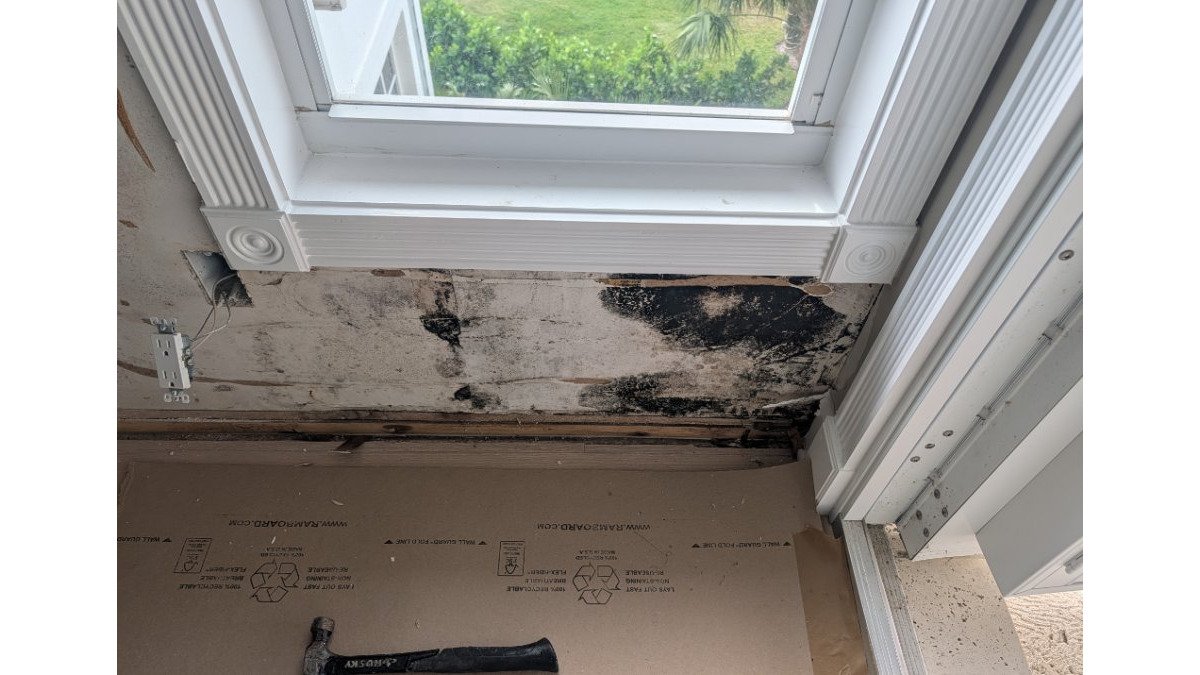
- Source identification. Finding where water is entering or lingering. That might be a roof detail, a plumbing leak, or elevated humidity in a closed space. Moisture sources should be identified and addressed; repairs belong to the appropriate trade.
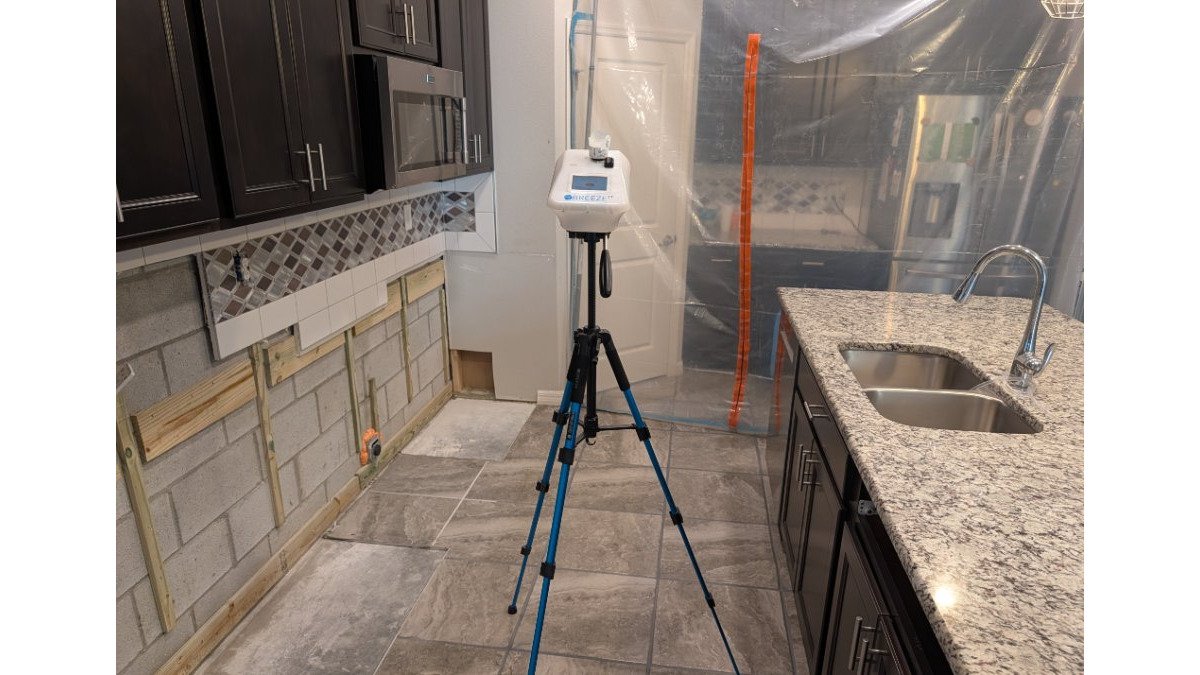
- Containment and removal. Depending on the materials, extent, and occupancy, containment may be used to keep dust and spores from spreading. Porous materials that cannot be cleaned are typically removed.
- Cleanup and drying. Surfaces are cleaned, and the area is returned to a normal moisture condition.
Mold Testing in Sebastian FL: What It Can and Cannot Tell You
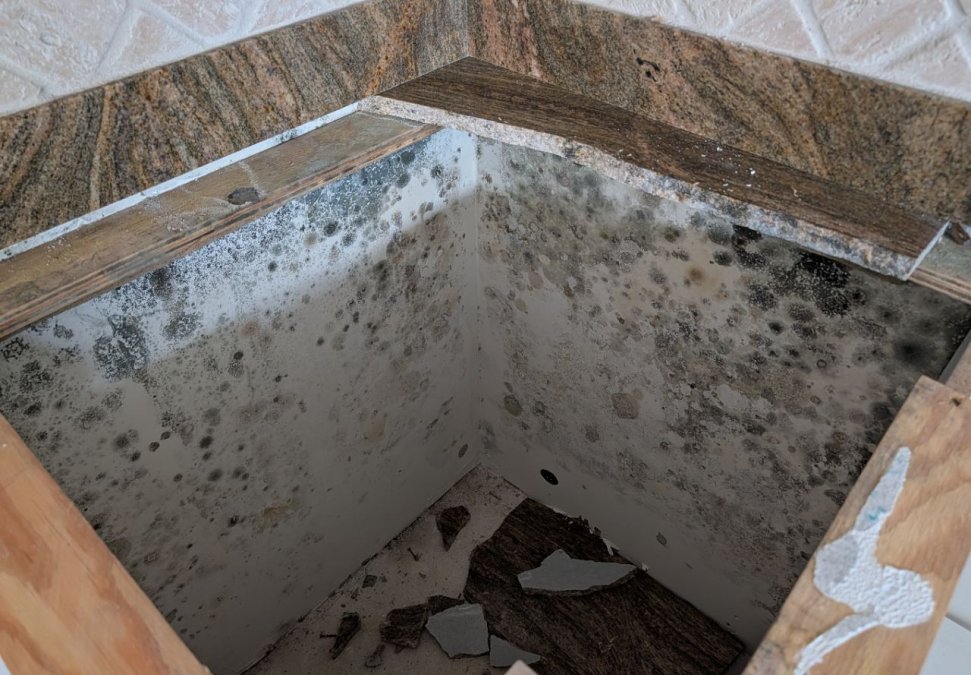
Air sampling is one piece of information, not a verdict. Mold testing in Sebastian FL typically involves collecting air or surface samples and sending them to a laboratory for analysis, but sampling alone cannot tell you whether remediation is necessary, how far the work should extend, or exactly where growth is hiding.
What sampling can do is add context. Laboratory results are interpreted alongside visual observations, moisture conditions, building history, and the types of spores present. A spore count read in isolation tells you very little.
What sampling cannot do is prove a building is mold-free or safe. There is no universal indoor-to-outdoor ratio that definitively establishes whether a building is mold-free or safe. Post-remediation results may be described as meeting established project criteria when interpreted alongside visual observations and moisture conditions, but they should not be presented as proof that all mold has been eliminated. Pre-remediation testing is not required on every job. If you have visible mold on a small area of drywall, sampling may add little value.
What a Mold Remediation Quote Should Include
A written mold remediation quote should define the scope of work in enough detail that you can compare it against another bid. Vague one-line proposals are common in this market, and they are the main reason quotes for what sounds like the same job come back at very different numbers.
Look for these elements:
Quote Element | Why It Matters |
|---|---|
Affected materials listed | Shows what gets removed versus cleaned |
Containment approach | Explains how the work area is isolated, if needed |
Moisture source discussion | Confirms the cause is being addressed |
Post-remediation testing | Clarifies whether lab analysis is included |
Exclusions stated | Prevents surprise charges mid-project |
What actually moves the number
Two quotes can describe the same square footage and still differ substantially, because price tracks scope, not area. The variables that matter most:
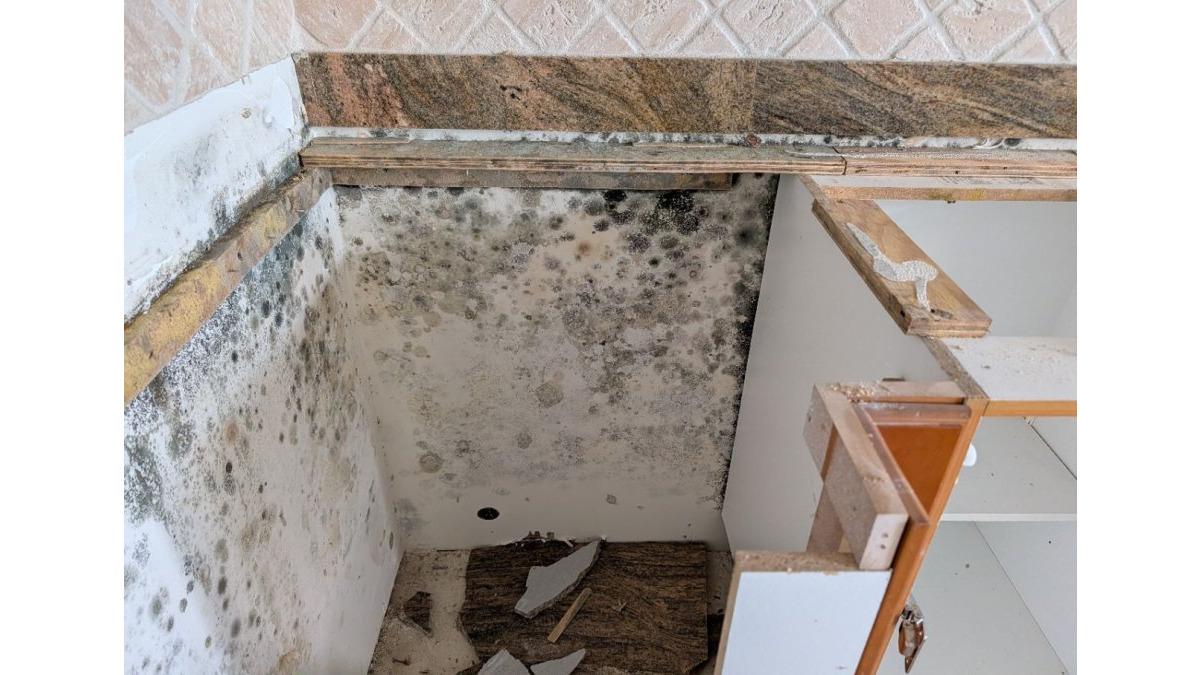
- What the mold has colonized. Growth on concrete block or other suitable surfaces may be addressed through appropriate cleaning and treatment. Contaminated drywall and insulation often require removal, depending on their condition and the extent of growth. Structural wood framing, however, can frequently be cleaned and treated rather than removed. The material and severity of contamination help determine the appropriate scope and cost.
- How far it has spread. One room is a different project from growth that has moved into wall cavities, an attic, or a connected HVAC system.
- Access. A crawlspace or a closed wall cavity takes more labor to work in safely than an open room.
- Whether the moisture source is corrected. If water is still entering, remediation is a temporary fix regardless of price. Source repair is a separate trade, and a quote that ignores it is incomplete.
- Occupancy. A vacant property allows a different working approach than an occupied home where part of the space must stay usable.
- Testing and verification. Lab analysis, whether pre-remediation or post-remediation, is a line item. Ask whether it is included or billed separately.
This is why a phone quote given before anyone has seen the property should be treated as a placeholder, not a price. A provider who will not put a scope in writing is telling you something about how the job will be run.
JLX Environmental offers a Quote-Beat Guarantee: we will beat a comparable written mold-remediation quote from another Florida-licensed mold remediator by at least 10%. The word "comparable" carries weight. It applies to licensed mold remediation work of similar scope, not to handyman bids or quotes for services we do not perform.
Ask for a quote in writing and read the exclusions. That section tells you more about the final cost than the headline number does.
How Long Mold Remediation Duration Usually Runs
Mold remediation duration depends on scope, not on a fixed schedule. A single affected wall in one room moves faster than growth spread through an attic and a connected HVAC system. Most occupied-space jobs run somewhere between one and several days of on-site work, with laboratory turnaround adding time before results return.
Several factors push the timeline out:
- The number of rooms and building assemblies affected
- Whether porous materials require removal
- Access difficulty in crawlspaces, attics, or wall cavities
- Whether the moisture source has been corrected
- Occupancy and how much of the space can be isolated
Laboratory turnaround for air samples is commonly quoted in the range of a few business days, though it varies by lab and by the analysis requested. Ask your provider what turnaround they expect before results come back.
There is no honest way to give a firm duration before someone has seen the property. Be skeptical of a provider who quotes a timeline over the phone without an inspection.
Post-Remediation Verification: How the Work Is Evaluated
Post-remediation verification is the step that checks the work after removal is finished. For normal occupied interior remediation, JLX Environmental performs post-remediation air testing and submits samples to a laboratory for analysis. Customers may choose an independent third-party verifier instead, though third-party verification is not required.
What does verification actually show? Laboratory results provide information used together with visual and condition-based observations. That combination is how post-remediation conditions get evaluated. Verification does not prove a property is mold-free, does not guarantee mold will never return, and does not replace fixing the moisture source.
One important exception: we do not perform air sampling or post-remediation air testing inside crawlspaces or attics. Verification in those spaces is visual and condition-based, because the conditions there differ enough that air sampling would not add reliable information.
How to Choose a Mold Remediation Company in Sebastian
Credential verification is the first filter, and it is easy to run. Florida licenses mold professionals through the state's Department of Business and Professional Regulation, and you can look up a license number directly through the Florida DBPR license verification portal. Ask for the license number in writing and check it yourself rather than taking a logo on a truck as proof.
Assessor and remediator are different licenses
Florida separates mold assessment from mold remediation, and the distinction matters when you are comparing providers. A mold assessor evaluates conditions and, where appropriate, collects samples. A mold remediator performs the removal work. Florida permits professionals to hold both mold assessor and mold remediator licenses, but state law restricts performing both assessment and remediation on the same structure. Homeowners should understand which licensed professional is performing each service and whether applicable conflict-of-interest restrictions are being followed.
That is also why some homeowners choose an independent third-party verifier after remediation. It is optional, not required, but if independence matters to you, ask about it before work begins rather than after.
Criteria that separate providers
- Scope clarity. A provider who explains what will be removed and why is easier to compare than one who quotes a single number.
- Testing honesty. If sampling is presented as definitive proof of a mold problem or as mandatory on every job, that is a reason to keep looking. Sampling is one input, not a verdict.
- Moisture-source discipline. A provider who identifies the water source and tells you plainly that the repair belongs to another trade is being straight with you. A provider who implies remediation alone solves a wet building is not.
- No pressure. Mold is unsettling, and some sales approaches lean on that. A provider who recommends a smaller scope when conditions support it is telling you something useful.
- Local accountability. A company that serves your area and can return to the property matters more than a call center that dispatches from elsewhere.
What most guides miss is that the cheapest quote and the most expensive quote often describe different jobs. Compare scope line by line, not price alone, and confirm the license behind each bid.
If you are weighing options, request a quote and put the proposals side by side.
Frequently Asked Questions
Is mold testing required before mold remediation?
Not always. Pre-remediation air testing is not required or automatically included with every remediation project. Visible mold, moisture conditions, and building history often tell a remediator enough to define a scope of work. Air sampling is one source of information, interpreted alongside visual observations and moisture findings, and it does not by itself determine whether remediation is necessary or how far it should go. A licensed provider can explain whether testing makes sense for your specific situation in Sebastian.
What should a mold remediation quote include?
A written mold remediation quote should describe the affected areas and materials, the containment approach where conditions require it, removal and cleaning steps, and how the work will be evaluated afterward. Ask whether post-remediation air testing and lab analysis are included, and whether the price covers any follow-up if conditions are not resolved. JLX Environmental offers a Quote-Beat Guarantee: it will beat a comparable written mold-remediation quote from another Florida-licensed mold remediator by at least 10%.
How long does mold remediation take?
Mold remediation duration depends on the size of the affected area, the materials involved, and whether demolition is needed. A small, contained job may finish in a day or two, while larger projects with porous materials or HVAC involvement can run longer. Laboratory turnaround for post-remediation samples varies by laboratory, sample volume, and analysis requested. Your remediation provider should explain the expected turnaround when discussing the project timeline. A written scope of work should give you a realistic timeline for your property.
Is mold remediation covered by insurance in Florida?
Coverage varies by policy and by the cause of the moisture. Many homeowners policies treat mold differently depending on whether it stems from a covered event or from long-term maintenance issues. There is no universal answer, and a remediator cannot tell you what your policy will pay. Direct coverage questions to your insurer or adjuster, and keep documentation of the inspection findings and scope of work to support any claim discussion.