Last Updated: November 4, 2026
Quick Summary
Mold testing in Melbourne, FL is most useful when a home shows signs of moisture or an unexplained change in indoor conditions, such as a persistent musty odor, visible staining, or a recent leak. Testing is one tool for answering those questions, not a requirement for every home.
- Visible mold, a lingering odor, or past water intrusion can each justify an evaluation.
- Testing may be unnecessary when the moisture source is known, fixed, and the affected area is small.
- Visual inspection and moisture readings form the foundation of every assessment.
- Air and surface sampling answer different questions and are not interchangeable.
- Check licensing, a sample report, and whether the provider also does remediation before hiring.
Table of Contents
- When Mold Testing Is Worth Doing in Melbourne Homes
- Mold Inspection and Testing: How a Visit Works
- Mold Air Sampling and Surface Sampling Compared
- Why an Independent Mold Testing Company Matters
- How to Read Lab Results and Decide on Next Steps
- Post-Remediation Verification After Mold Work
- Booking Mold Testing for Your Melbourne Property
- Frequently Asked Questions
When Mold Testing Is Worth Doing in Melbourne Homes
Mold testing in Melbourne, FL is most useful when a home shows signs of moisture or an unexplained change in indoor conditions.
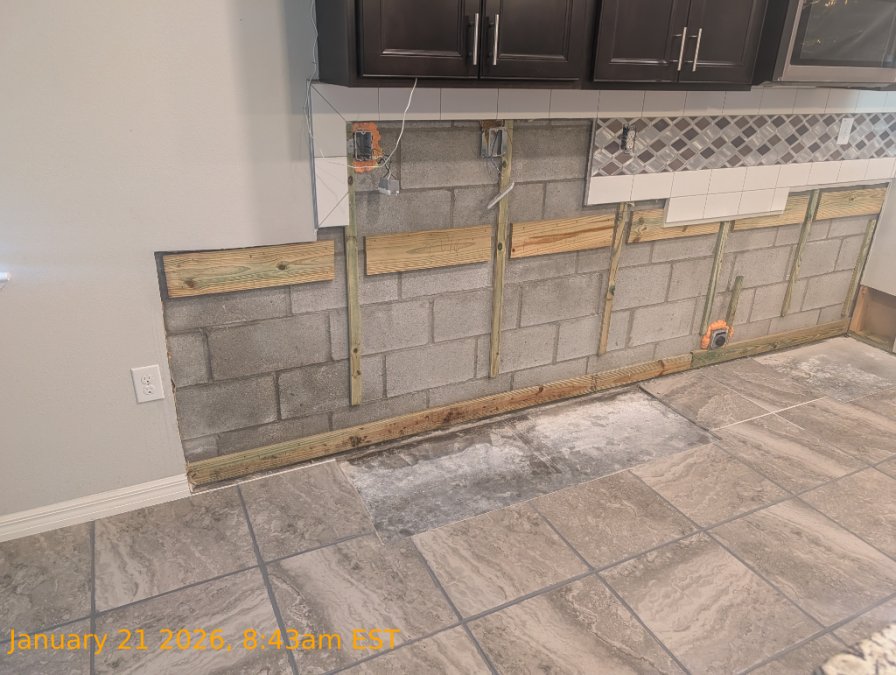
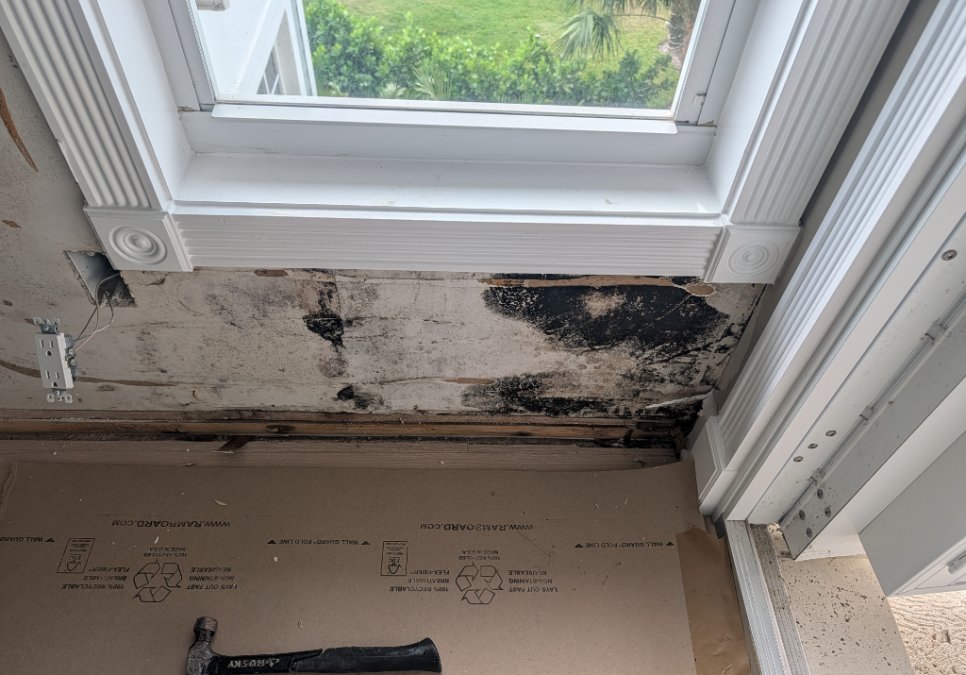
Visible mold, a lingering odor, or a history of water intrusion can each justify an evaluation. Sometimes the source is obvious, such as a bathroom exhaust fan that vents into the attic. Other times the moisture is hidden behind walls or under flooring, and an inspection helps locate it.
Testing may not be necessary when the source is already known, the affected area is small and easy to clean, and the moisture problem has been fixed. In those cases, a visual assessment and a clear plan for drying and cleaning may be enough.
Mold Inspection and Testing: How a Visit Works
A mold inspection starts with a conversation about the home's history and the reasons for the visit. You can see how the visit is scoped for professional mold testing and moisture investigation on Find Out What's Going On With Your Indoor Air.
Testing methods are chosen based on what the inspector observes. For a broader explanation of what a mold inspection covers and when it helps, see Mold Inspection: What You Need to Know. Options may include surface samples, air samples, or bulk samples sent to a laboratory. Each method answers a different question, so the inspector selects the ones that fit the situation.
Visual inspection and moisture readings
Visual inspection is the foundation of every assessment. The inspector looks for staining, bubbling paint, warped trim, soft drywall, and discoloration on surfaces. Moisture meters take readings in suspect areas to show whether materials are wet, damp, or dry.
Readings are compared against dry areas of the same home to establish a baseline. A high reading alone does not confirm mold, but it shows where moisture may be trapped and where further investigation is warranted.
Preparing for the visit
Preparation helps the inspection go smoothly. Before the visit, it helps to:
- List any past leaks, floods, or repairs
- Note where odors are strongest and when they appear
- Clear access to crawlspaces, attics, closets, and under-sink areas
- Gather any previous inspection or lab reports
A typical visit takes time to walk the home and document findings. Your inspector should explain what they are looking at as they go.
Mold Air Sampling and Surface Sampling Compared
Air sampling and surface sampling answer different questions. The lab methods behind air, surface, and bulk samples, and what each result can and cannot show, are covered in Mold Identification Testing: How Mold Is Identified.
Air sampling can help compare indoor and outdoor spore levels, but it cannot pinpoint where growth is located. Surface sampling can identify the type of material present at a specific location, but it does not measure the whole home.
Results from either method are interpreted alongside visual observations, moisture readings, and the building's history. A professional should explain what the lab findings mean for your specific property.
The two methods answer different questions, as summarised below.
Method | What it collects | What it can tell you |
|---|---|---|
Air sampling | Airborne spores over a set period | Indoor vs outdoor spore comparison; cannot pinpoint growth location |
Surface sampling | Material from a specific spot (tape lift or swab) | Material type at that location; does not measure the whole home |
Why an Independent Mold Testing Company Matters
Separation of roles works like this in practice:
- An assessor inspects, documents moisture conditions, and may collect samples. The deliverable is a written report describing what was observed and what the lab found.
- A remediator designs and performs the removal work based on a scope. The deliverable is the completed work and, where applicable, post-remediation verification.
- Some companies offer both mold assessment and remediation services. Florida regulates these activities separately and restricts performing both services on the same project. Homeowners should verify the provider's licensing and understand who will perform each service.
A common pattern in the field is for a homeowner to get a remediation quote first, then hire a separate assessor to confirm whether the visible growth and moisture readings actually support that scope. Sometimes the scope holds up. Sometimes the assessor finds the moisture source was already corrected and the affected area is smaller than quoted. An independent assessment can provide an additional perspective on the proposed remediation scope, particularly when the assessor has no financial interest in the remediation work.
What to check before you hire a testing provider
Credentials and licensing in Florida are worth verifying directly. A guide to comparing inspections, reports, and credentials before you hire anyone is available at Mold Detection Companies: How to Choose the Right One. Ask any provider for their license number and look it up with the state licensing authority.
Beyond licensing, compare providers on these points:
- Written report format. Ask to see a sample report. A useful report includes the sampling plan, locations, chain-of-custody information, lab name, and a narrative that ties findings to observations, not just a table of spore counts.
- Who interprets the results. The lab analyzes samples; the assessor interprets them. Ask who writes the interpretation and whether that person visited the property.
- Scope of the visit. Confirm whether the quote covers a visual inspection only, moisture readings, air sampling, surface sampling, or some combination. A low quote that covers only one air sample is not comparable to a whole-house assessment.
- Independence statement. Ask directly: does your company also perform remediation? If yes, ask how the scope recommendation is separated from the sales process.
- Turnaround and follow-up. Ask when results arrive and whether the provider will walk you through them.
If you already have a remediation contractor in mind, an independent assessment can still be useful to confirm the scope before work begins. JLX Environmental performs both mold testing and indoor air quality evaluation and licensed mold remediation. Customers who prefer a separate third-party assessment are free to arrange one.
How to Read Lab Results and Decide on Next Steps
A mold lab report is a data sheet rather than a verdict. Understanding its structure makes the conversation with your assessor more useful.
What a typical report contains
- Sample identification. Each sample gets an ID, a location description, and a collection method (air, tape lift, swab, bulk).
- Chain of custody. The form that tracks the sample from collection to the lab. If this is missing or incomplete, the results are harder to rely on.
- Analytical method. Air samples are commonly analyzed by direct microscopy or by culture. The method matters because it affects what can be detected and how results are reported.
- Spore types and quantities. Reports list genera such as Cladosporium, Penicillium/Aspergillus, Stachybotrys, or Chaetomium, often with counts or a relative abundance. Some labs report raw counts per volume of air; others use a scale.
- Outdoor or baseline comparison. Many sampling plans include an outdoor control sample collected the same day, because indoor and outdoor spore profiles are compared rather than judged against a fixed number.
How the pieces fit together
No single number on the report tells you whether remediation is needed. What matters is the pattern:
- Indoor versus outdoor. If indoor air shows a spore profile broadly similar to the outdoor control, that is one piece of evidence. If indoor samples show types or quantities that differ markedly from outdoor, that is another. Neither is conclusive on its own.
- Spore type. Some genera are common outdoors and indoors; others are more associated with sustained moisture on building materials. A lab can identify what was collected, but it cannot tell you where it grew.
- Surface versus air. A tape lift or swab identifies material at a specific spot. Air sampling describes what was airborne during the collection period. They answer different questions and are not interchangeable.
- Visual and moisture evidence. The report should be read alongside what the inspector saw and what moisture meters showed. A lab result that conflicts with the visual evidence is a reason to look closer, not a reason to ignore one or the other.
Be cautious of any report presented as proof that a home is mold-free. Labs report findings; they do not certify a property.
Deciding on next steps
The appropriate next step depends on the combination of evidence, not on the report alone:
- Moisture source identified and corrected, minor surface growth on non-porous materials. Cleaning and monitoring may be reasonable. Confirm the moisture issue is actually resolved before assuming the growth will not return.
- Moisture source identified, growth on porous materials or in a concealed area. A remediation scope is typically warranted. The scope should be based on the affected materials and extent, not on a spore count.
- Moisture source not yet identified. Finding and correcting the source comes first. Testing again before the source is addressed tends to produce the same result.
- Remediation completed. Post-remediation verification, where performed, uses lab results together with visual and condition-based observations. It does not guarantee the property is mold-free or that mold will not return; moisture control after the work matters as much as the testing.
Ask your assessor to walk through the report line by line: which samples were taken and where, what the lab identified and what it did not, whether the findings match the visual and moisture evidence, and what the recommended next step is and why.
Post-Remediation Verification After Mold Work
Post-remediation verification, or PRV, is the process of checking conditions after remediation work is finished. For normal occupied and interior remediation, JLX Environmental performs post-remediation air testing and submits samples to a laboratory for analysis. Customers may also choose an independent third-party verifier, though this is not required.
Lab results are used together with visual inspection and condition-based observations. They do not prove a property is mold-free or guarantee that mold will not return. Moisture control after the work matters as much as the testing itself.
Crawlspaces and attics are handled differently. JLX does not collect air samples inside these spaces, so verification there is visual and based on conditions observed.
Booking Mold Testing for Your Melbourne Property
If you are considering mold testing for a Melbourne property, start by describing what you have seen or smelled and when it began. A clear description helps the assessor plan the visit and decide which methods, if any, are appropriate.
JLX Environmental provides mold testing and indoor air quality evaluation for homes and commercial properties across Florida's Treasure Coast and Space Coast. You can request a mold inspection and testing visit to discuss your property and get a written quote.
Frequently Asked Questions
How much does a mold inspection cost in Florida?
Costs depend on the size of the property, how many areas need sampling, and whether lab analysis is included. JLX Environmental does not publish flat-rate pricing for testing or remediation, so the most accurate figure comes from a written quote based on your specific home. Ask any provider to itemize visual inspection, sampling, lab fees, and the written report so you can compare quotes on equal terms.
When is mold testing useful?
Testing can help when you want additional information about a suspected mold problem, when a property transaction or lease requires documentation, or when sampling would help clarify findings from a visual inspection. Determining the extent of mold growth requires evaluating the affected materials and moisture conditions, not relying on sampling results alone. Testing is not automatically needed for every visible spot. A visual inspection and moisture assessment often come first, and sampling is added only when it answers a specific question.
What should I ask before hiring a mold testing company?
Ask whether the company is licensed in Florida, whether it performs testing and remediation, and whether it is independent of any remediation work. Request a written scope, a written quote, and a sample report format before booking. Confirm how the company handles follow-up questions and whether you can choose a third-party verifier later.
What can mold air sampling tell you?
Air sampling captures a snapshot of airborne spores at the time of collection. It can help compare indoor and outdoor conditions and support a broader assessment. It does not, on its own, prove whether mold is present in hidden areas, identify the exact source, or determine the full scope of remediation. Results are interpreted alongside visual findings, moisture conditions, and building history.
