Last Updated: October 26, 2026
Quick Summary
Mold testing in Port St. Lucie FL involves collecting air, surface, or bulk samples from a property and having an accredited laboratory analyze them to identify what is present. A lab report is a snapshot of conditions at collection and does not locate the moisture source or decide the scope of any work. Results are read alongside visual observations, moisture conditions, and building history.
- A mold inspection is a visual and condition-based evaluation, while mold testing is laboratory analysis of physical samples.
- The EPA states there are no federal standards for airborne mold, so context matters when reading results.
- Air sampling captures material suspended in air at the moment of collection; surface and bulk sampling answer different questions.
- JLX does not perform air sampling inside crawlspaces or attics; verification there is visual and condition-based.
- JLX's Quote-Beat Guarantee applies to comparable remediation quotes only, not to testing.
Table of Contents
- What Mold Testing in Port St. Lucie FL Actually Involves
- Mold Inspection vs. Mold Testing: What's the Difference?
- What Mold Testing Costs and What Each Price Includes
- How to Choose Between Air, Surface, and Bulk Sampling
- How Long Does Mold Testing Take?
- Mold Test Results Interpretation and Its Limits
- Mold Testing Questions to Ask Before You Book
- Scheduling Mold Testing for Your Port St. Lucie Property
- Frequently Asked Questions
What Mold Testing in Port St. Lucie FL Actually Involves
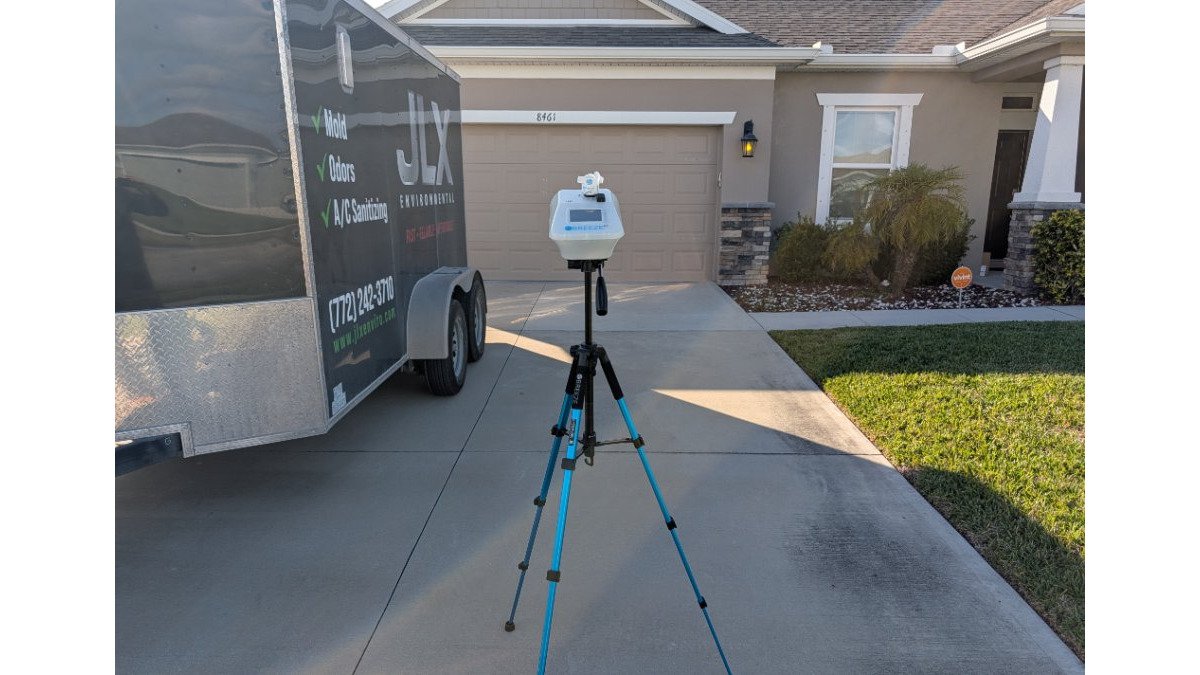
Mold testing in Port St. Lucie FL is the process of collecting physical samples from a property and having an accredited laboratory analyze them to identify what is present in the air or on surfaces. You can find out what's going on with your indoor air through professional mold testing and indoor air sampling. A sample tells you what was captured at a specific moment in a specific spot.
A lab report is a snapshot. It does not locate the moisture source, and it does not decide the scope of any work. Those conclusions come from walking the property, checking moisture conditions, and reviewing the building's history alongside the sample data.
Testing can involve a few steps:
- A walkthrough to identify visible growth, staining, and moisture clues
- Selection of sampling locations, including an outdoor comparison sample where appropriate
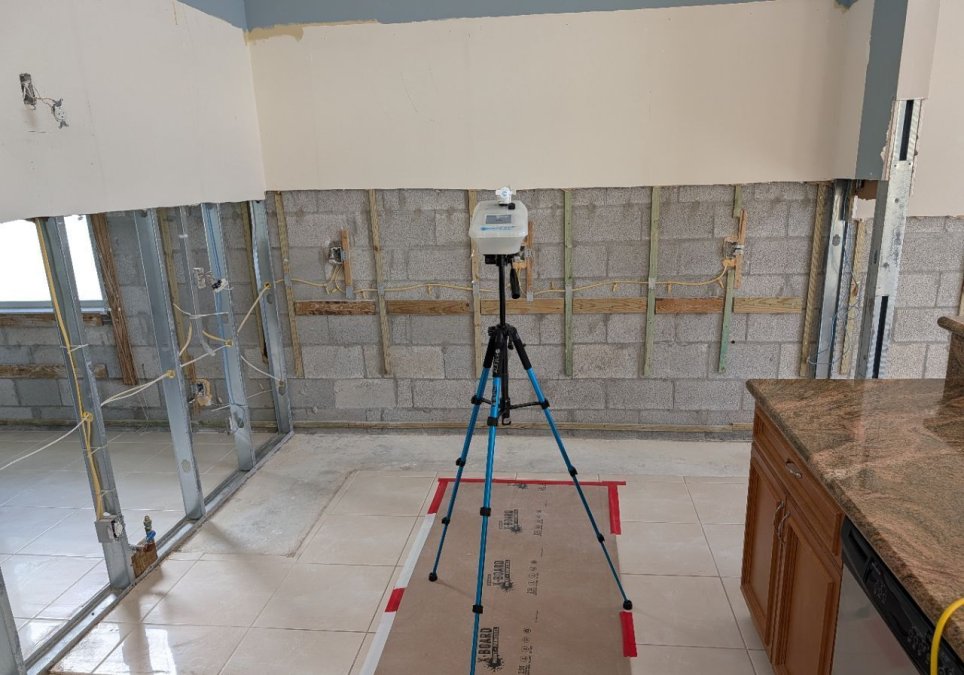
- Collection of air, surface, or bulk samples depending on the question being asked
- Laboratory analysis with a written report of findings
The U.S. Environmental Protection Agency's guidance on mold is clear that there are no federal standards for airborne mold, which is exactly why context matters so much in reading results.
Why the Treasure Coast Climate Matters for Mold
Warm, humid air is the baseline here, not the exception. Homes from Stuart through Fort Pierce and north toward Melbourne run air conditioning most of the year, and that creates two conditions worth understanding. First, any water intrusion that goes unnoticed has an environment that supports growth. Second, a building that stays closed up with elevated interior humidity gives mold a foothold.
In practice, this means moisture intrusion from a slow supply-line drip, a failed window seal, or condensation on cold surfaces deserves attention long before anyone reaches for a spray bottle. Growth needs moisture. Remove the moisture and you remove the reason it keeps returning (the EPA).
Mold Inspection vs. Mold Testing: What's the Difference?
A mold inspection is a visual and condition-based evaluation of a property, while mold testing is the laboratory analysis of physical samples. For a deeper look, read what mold inspection involves. Inspection can help assess conditions and possible sources. Testing provides information about what was captured in samples.
Here is the practical split:
Element | Mold Inspection | Mold Testing |
|---|---|---|
Primary method | Visual walkthrough, moisture checks | Air, surface, or bulk sampling |
Answers | Location and likely moisture source | What types are present in samples |
Output | Written observations and findings | Laboratory report |
Typical use | First step for most concerns | Confirming or documenting conditions |
When Each One Makes Sense
If you can see growth or smell something musty, an inspection may help assess the conditions. Testing may be useful when documentation is needed or when the visual picture is unclear.
What Mold Testing Costs and What Each Price Includes
Mold testing costs in Port St. Lucie vary depending on the number and type of samples collected, the size of the property, the areas being evaluated, and the laboratory analysis required. It could be a wide range starting at around $300 and going up to $1,000+. A basic air sampling appointment may cost less than a comprehensive mold assessment involving multiple rooms, moisture evaluations, and additional surface samples.
Before scheduling, ask whether the quoted price includes the property inspection, sample collection, laboratory fees, and a written report. Some companies charge separately for additional samples or detailed assessments.
JLX Environmental provides mold testing and indoor air quality assessments based on the property's specific needs. Contact us for a written quote outlining the services included.
For current testing options, you can review our mold testing services.
How to Choose Between Air, Surface, and Bulk Sampling
Air sampling captures material suspended in the air at the moment of collection. Surface sampling collects material from a specific location. Bulk sampling analyzes a piece of material removed from the property. Each method provides different information, and the appropriate choice depends on the question being considered. Our guide to mold identification testing breaks down air, surface, and bulk samples and the lab methods behind them.
Testing does not locate the moisture source, decide the scope of work, or determine whether remediation is needed. Those conclusions come from visual observations, moisture conditions, and building history. Sampling can provide additional information to consider alongside those findings.
One more factor that affects the choice is provider independence. Some companies both test and remediate, and others test only. Neither arrangement is inherently wrong, but if you want the sampling to stand apart from the company that may later perform the work, an assessor independent of the remediation is one option. JLX performs both testing and remediation.
Our mold testing services provide information about this service.
How Long Does Mold Testing Take?
Scheduling matters too. Our mold air sampling walkthrough explains the setup, steps, and laboratory analysis timing. A sample collected right after a homeowner runs fans and opens windows may not reflect conditions at other times.
Mold Test Results Interpretation and Its Limits
Lab results provide information about what was captured in each sample. They do not tell you whether remediation is necessary or where growth is coming from. Consider them alongside visual observations, moisture conditions, and building history.
Three limits worth knowing before you read a report:
- A sample is a snapshot. Conditions change hour to hour.
- Counts are not thresholds. There is no universal indoor-versus-outdoor rule that decides a case (the EPA).
- Identification is not location. Knowing a spore type does not tell you which wall it came from.
Mold Testing Questions to Ask Before You Book
That last question matters. Testing should lead somewhere useful, whether that is a remediation plan or a clear "no action needed right now."
Scheduling Mold Testing for Your Port St. Lucie Property
One honest note on expectations: JLX Environmental does not perform air sampling inside crawlspaces or attics. Verification in those spaces is visual and condition-based.
Health questions about symptoms and mold belong with a healthcare professional, not a testing company. Our work stays focused on the building.
JLX Environmental is a local, family-owned company based in Fellsmere, serving properties from Hobe Sound north through Mims. Led by Devon Morante, who holds Florida mold remediator and mold assessor licenses, JLX provides professional mold testing, mold remediation, and post-remediation air testing with laboratory analysis. Get started with JLX Environmental and request your free quote today.
Frequently Asked Questions
What does a mold inspection include?
A mold inspection is a visual and condition-based evaluation. Testing is separate and involves collecting samples for laboratory analysis. Ask whether the visit includes sampling or only a visual assessment.
When should I consider mold testing?
Testing is not automatically required just because mold is visible. Air sampling alone cannot confirm the absence of mold or pinpoint a hidden source, so treat results as one piece of information alongside visual findings, moisture conditions, and building history.
Can air sampling identify the exact location of mold?
No. Air sampling provides information about what was captured at the moment of collection, not the location of growth. It cannot identify the exact source or location. Consider results alongside visual observations, moisture conditions, and building history.
Should I test for mold before remediation?
Not always. Pre-remediation air testing is not required or automatically included with every remediation project. Discuss whether sampling is appropriate for the situation.
